

Rhun ap Iorwerth has transformed from a minor political figure into the forefront of Welsh politics, challenging Labour’s longstanding dominance. His message strikes directly at the heart of Welsh identity and governance, positioning Plaid Cymru as the fresh, assertive alternative Wales has been waiting for.
Challenging Labour’s Hold on Wales
Ap Iorwerth’s core argument is straightforward and unapologetic: Labour is failing to stand up for Wales. He asserts that the party, despite decades in power, has grown complacent and lacks the ambition necessary to drive the nation forward. During the 2024 general election campaign, when Labour promised that Wales would benefit from unified governance under its leadership both in London and Cardiff, ap Iorwerth flipped this narrative.
He accused Welsh Labour’s first ministers of being “too cosy” with their London counterparts, prioritizing the political comfort of Sir Keir Starmer over the interests of the Welsh people. This critique resonated deeply with voters frustrated by what they perceived as a lack of genuine advocacy for Wales within the Labour party.
“My only boss is the Welsh people,” ap Iorwerth emphasized repeatedly, drawing a sharp contrast between his independence and Labour’s perceived subservience to Westminster.
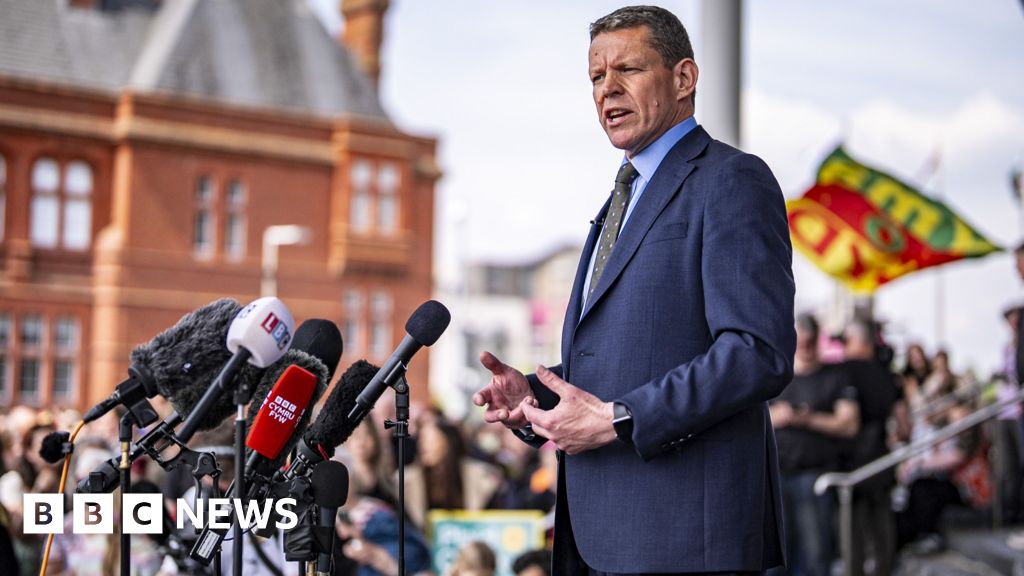
A Campaign of Renewal and Strategic Messaging
Ap Iorwerth has framed the election campaign as a pivotal moment for Welsh renewal. He argues that after decades of Labour governance, the party has exhausted its ideas and energy for the nation. This positioning taps into a growing desire among Welsh voters for new leadership that champions Welsh priorities without compromise.
Beyond advocating for a vision of renewal, Plaid Cymru capitalized on a strategic political message that proved especially effective: “Vote Plaid to stop Reform.” This slogan targeted Labour’s traditional voter base, particularly those wary of the Reform UK party’s rise. By positioning Plaid Cymru as the bulwark against reformist forces, ap Iorwerth successfully attracted voters who might otherwise have drifted away from Labour.
This calculated approach enabled Plaid Cymru to expand its support significantly, pulling Labour voters into its camp and challenging the assumption that Welsh politics would remain a Labour stronghold indefinitely.
From Grassroots to Political Leadership
Rhun ap Iorwerth’s journey to the forefront of Welsh politics is a story of steady dedication. His political roots run deep, but his rise to prominence has been marked by a clear sharpening of his message and leadership style.
Once a figure whose political engagement was limited to grassroots efforts like distributing leaflets, ap Iorwerth now stands poised to face weekly scrutiny as a leading figure in Cardiff Bay. His transformation reflects not only his personal growth but also the shifting political landscape in Wales, where voters increasingly demand bold, uncompromising leadership.
As Plaid Cymru edges closer to power, ap Iorwerth embodies a new chapter in Welsh politics—one defined by an assertive stance on national identity, governance, and the future direction of Wales in the UK.
Why This Shift Matters for Wales
The implications of ap Iorwerth’s ascendancy extend beyond party politics. His rise signals a broader appetite among Welsh voters for leadership that prioritizes Wales’s interests independently of Westminster influence. It challenges the longstanding notion that Labour’s alignment with London is beneficial for Wales, suggesting instead that a more autonomous approach may better serve the nation’s needs.
Moreover, Plaid Cymru’s gains could reshape policy discussions on key issues such as cultural preservation, economic development, and social welfare by injecting a fresh perspective that centers Welsh identity and aspirations.
For Labour, ap Iorwerth’s challenge is a wake-up call to reconnect with the Welsh electorate on their terms rather than through the lens of UK-wide politics.
Looking Ahead
As the political landscape in Wales evolves, Rhun ap Iorwerth stands at the helm of a movement that could redefine governance in the nation. His clear, bold messaging and strategic campaigning have revitalized Plaid Cymru’s prospects, positioning the party as a serious contender for power.
For Welsh voters, this shift offers a chance to reconsider what leadership looks like and to demand a government truly committed to Wales’s unique needs and future. The coming months will reveal whether ap Iorwerth’s vision can translate into lasting political change and a new era for Welsh self-determination.