

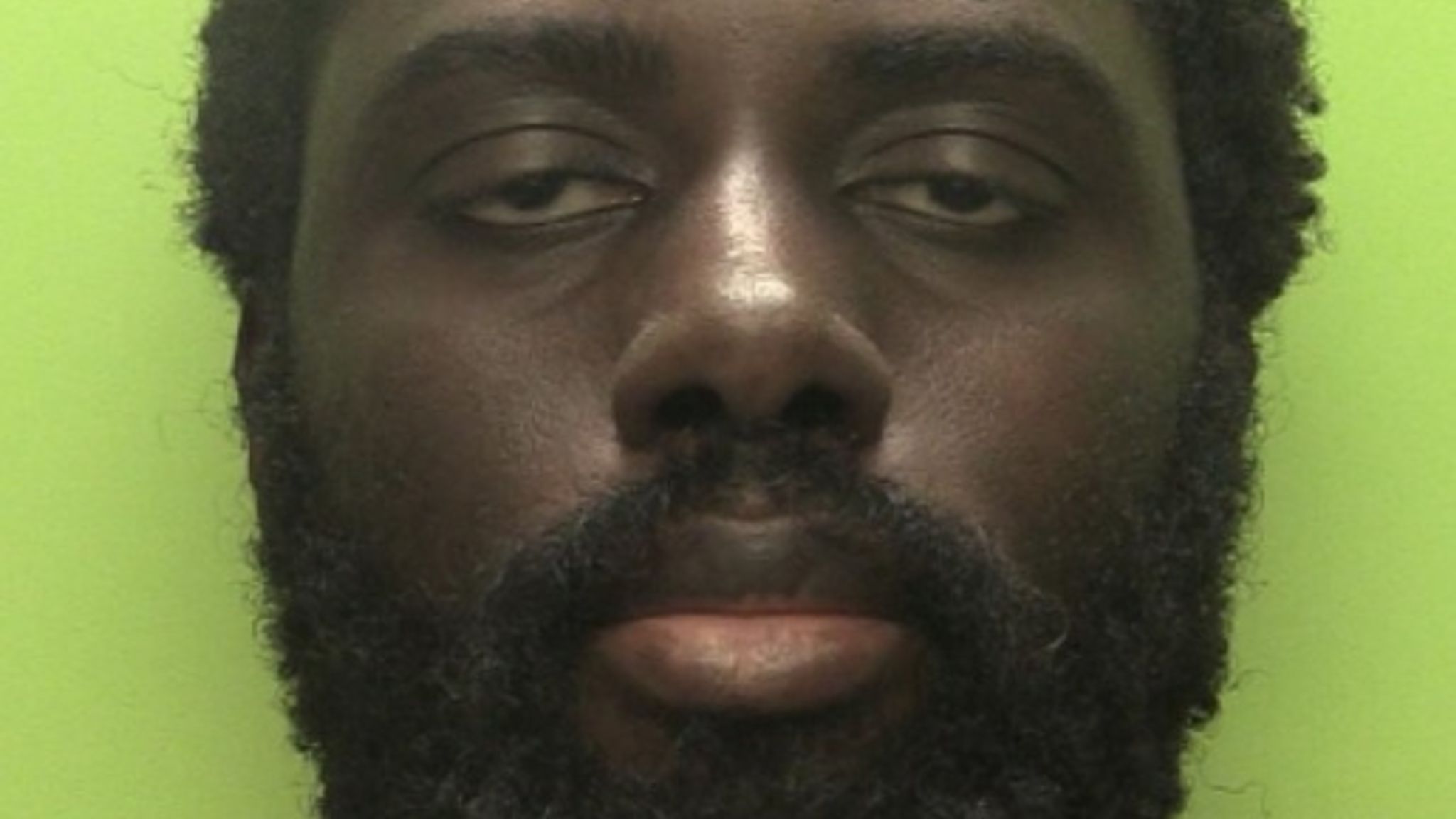
The risk assessments conducted on Valdo Calocane, who brutally murdered three people in Nottingham in 2023, failed to accurately reflect the threat he posed, an official inquiry has revealed. Despite multiple contacts with mental health services, critical forms assessing his potential for violence contained significant errors and omissions, raising urgent questions about the safeguarding measures in place before the tragic killings.
What Happened: Failures in Assessing a Dangerous Patient
Valdo Calocane, diagnosed with paranoid schizophrenia, was under the care of the Nottinghamshire Healthcare NHS Foundation Trust (NHFT) for two years prior to his deadly attack in June 2023. During this time, mental health professionals repeatedly discharged him, even though a consultant psychiatrist warned he was likely to “end up killing someone.”
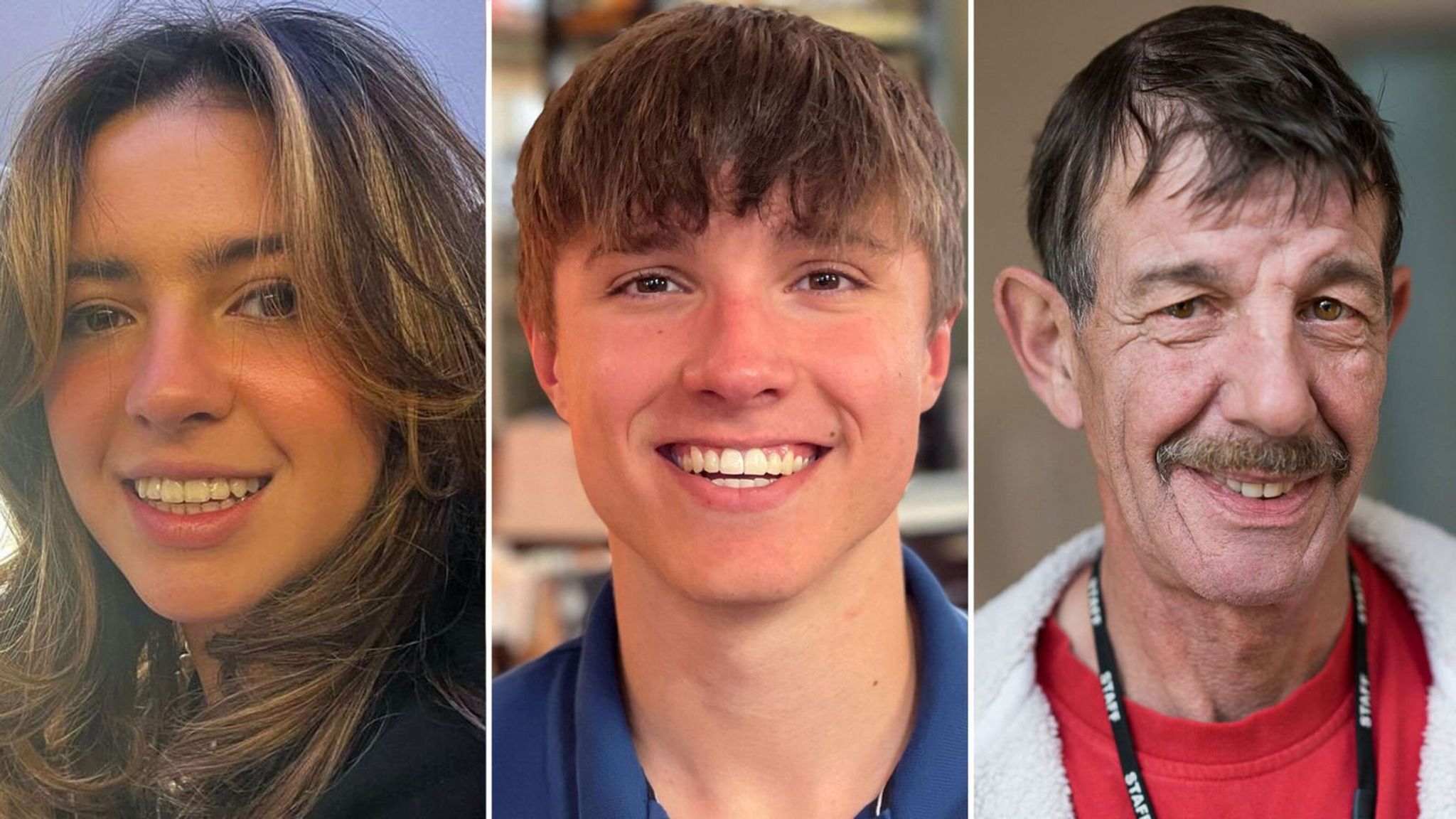
On the night of 13 June 2023, Calocane stabbed to death two 19-year-old University of Nottingham students, Barnaby Webber and Grace O’Malley-Kumar, in the early hours. Over an hour later, he fatally stabbed 65-year-old caretaker Ian Coates. Following these murders, Calocane stole Mr. Coates’ van and ran over three pedestrians, seriously injuring them.
After admitting to manslaughter and attempted murder, Calocane was detained indefinitely at a high-security hospital in January 2024, his responsibility for the crimes diminished by his mental illness.
Inquiry Reveals Critical Errors in Risk Assessments
During hearings held on Monday, staff from NHFT acknowledged glaring errors in Calocane’s risk assessments. Busayo Ajewole, clinical team leader at Highbury Hospital in Nottingham—where Calocane was sectioned in July 2020—confessed to completing several assessment forms incorrectly.
One July 2020 form inaccurately stated Calocane had “no history of mental health difficulties” and “no history of violence and aggression,” despite documented incidents including kicking at doors, forcibly entering a neighbor’s flat, and significantly assaulting police officers. Ms. Ajewole admitted this was “not only lacking in detail” but outright “wrong,” acknowledging the form should have reflected his violent history.
Further documents from September 2021 showed continued deficiencies. Julian Blake KC, counsel for the Nottingham Inquiry, highlighted that Calocane’s level of violence and risk was not clearly identified, describing the assessments as “wrong” once again.
One puzzling document described Calocane as “usually a very polite and gentle personable young man,” a phrase Ms. Ajewole could not explain or trace to any source, underscoring the lack of rigor in his evaluations.
Gaps in Communication and Oversight
Dr. Omar Manzar, who assessed Calocane’s mental health multiple times prior to the killings, called it “astonishing” that the University of Nottingham—where Calocane was studying mechanical engineering—was unaware of his violent history and detentions.
Dr. Manzar also revealed he was not provided with critical evidence such as violent text messages exchanged between Calocane and his brother in 2020, which included threats like “break their heads with my hands.” This omission further hampered the ability of mental health professionals to accurately assess Calocane’s dangerousness.
Why This Matters: Lessons from a Tragedy
The inquiry into Calocane’s case exposes profound failings in mental health risk assessments and communication between healthcare providers and other institutions. These lapses allowed a dangerous individual to slip through the cracks, culminating in a devastating loss of life.
Nottinghamshire Healthcare NHS Foundation Trust faces intense scrutiny as it reviews its mental health service protocols. The case highlights the vital importance of thorough, accurate risk assessments that fully account for patients’ histories of violence and aggression.
Moreover, the disconnect between the university and healthcare providers raises questions about how information on at-risk individuals is shared across sectors, a critical factor in preventing such tragedies.
As the inquiry progresses, the hope is that these findings will drive systemic improvements in mental health care, ensuring better protection for communities and more effective management of individuals with serious psychiatric conditions.
Valdo Calocane’s case stands as a stark reminder of the consequences when risk assessments fail and communication breaks down. The lessons learned here could pave the way for stronger safeguards and ultimately save lives.