

The leader of the infamous Rochdale grooming gang is scheduled to be released from prison this week, but authorities have confirmed that he cannot be deported. This development has deeply alarmed the victims, who fear the implications of his return to the community without removal from the country.
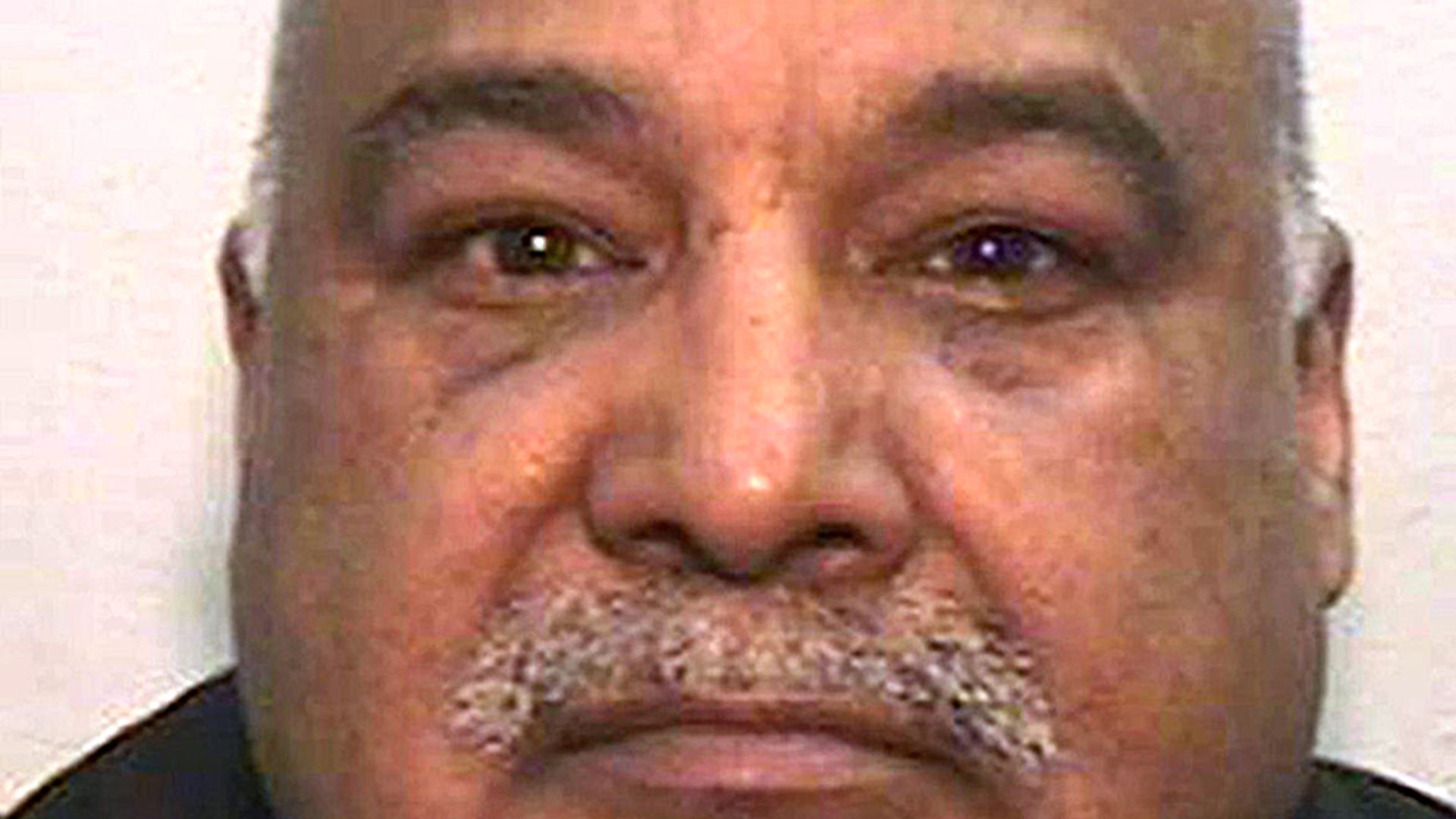
Who is the Rochdale Grooming Gang Leader?
The figure at the center of this controversy is the convicted ringleader of one of the most notorious grooming gangs in the UK. The Rochdale gang was exposed over a decade ago after it emerged that multiple young girls had been systematically exploited over years. The leader orchestrated the abuse, controlling and manipulating vulnerable victims while evading justice for a significant period.
After a lengthy trial, he was sentenced to prison for his crimes. His incarceration was seen as a vital step in delivering justice and providing some measure of closure to the victims. However, his impending release now revives anxieties about the safety and wellbeing of those affected and the wider community.
Why Deportation Is Not an Option
Despite public calls for his deportation upon release, Home Office officials have determined that deporting the gang leader is not legally feasible in this case. Deportation decisions hinge on a range of factors including nationality, legal rights, and human rights considerations.
In this instance, the leader’s citizenship status and the protections afforded by law prevent authorities from removing him from the UK. This means he will remain in the country after completing his prison sentence, which has caused significant distress among his victims and sparked debate over the adequacy of current legislation for handling offenders of this nature.
Impact on Victims and Community Concerns
The victims of the Rochdale grooming gang have expressed profound disappointment and fear following the announcement. Many had hoped that deportation would serve as an additional layer of protection and a form of extended justice beyond imprisonment.
For the survivors, the leader’s continued presence in the UK symbolizes an ongoing threat to their safety and emotional recovery. Community advocates emphasize the need for robust support services and monitoring to mitigate risks and help victims rebuild their lives.
This case also reignites wider discussions about the criminal justice system’s handling of grooming gangs and whether current laws sufficiently protect vulnerable populations from repeat offenders.
What This Means Going Forward
The release of the Rochdale grooming gang leader without the possibility of deportation highlights complex legal and social challenges. It underscores the limitations of existing immigration and criminal justice policies in addressing crimes with deep, lasting community impacts.
Authorities will need to prioritize ongoing surveillance and victim support to prevent further harm. This situation also calls for renewed scrutiny of how the law balances offenders’ rights with the imperative to protect vulnerable individuals and communities.
For the public and policymakers alike, the case serves as a stark reminder of the long shadows cast by grooming gangs and the continuing need for vigilance, reform, and compassion in responding to such crimes.
Full details about the conditions of his release and the measures in place to monitor him have not yet been disclosed.