

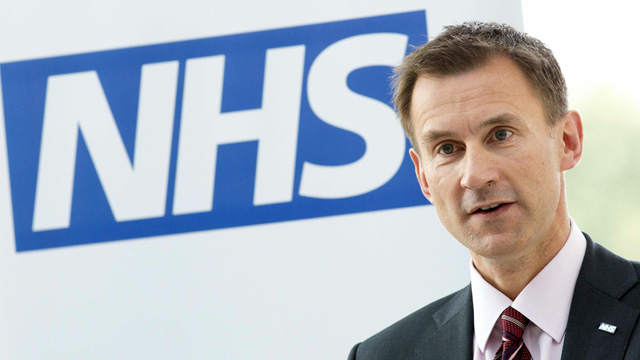
The chairman of the Care Quality Commission (CQC), David Prior, has ignited a fierce political debate by asserting that the National Health Service (NHS) has grown “too powerful to criticise.” His comments highlight growing concerns about the NHS’s perceived untouchability and the damaging culture that discourages openness about shortcomings in patient care.
The Rising Challenge of Criticising the NHS
David Prior’s remarks expose a troubling dynamic within the NHS, where the health service’s symbolic stature has transformed it into what he describes as a “national religion.” This elevated status, he argues, has created an environment where criticism is often met with hostility or silence. According to Prior, many patients and staff members have become afraid to voice concerns about poor care, fearing backlash or professional consequences.
In an interview with The Daily Telegraph, Prior stated, “It became too powerful to criticise. When things were going wrong people didn’t say anything. If you criticised the NHS – the attitude was how dare you?” This defensive posture, he insists, has prevented essential transparency and accountability within the health service. He believes that no organisation should be placed on such a pedestal that it becomes “beyond criticism.”

Prior’s candid assessment reveals a “chillingly defensive” culture, notably within hospitals, where even the most senior and confident medical professionals, whom he refers to as “alpha male surgeons”, feel intimidated about speaking out against systemic problems. He confessed that this realization was a “wake-up call” to the deeply entrenched issues undermining the NHS’s quality of care.
Systemic Issues and Areas ‘Out of Control’
Among the most urgent problems highlighted by Prior is the state of emergency care. He describes the emergency care system as “out of control,” emphasizing the need for it to become a top priority for reform. Patients frequently encounter long waits and difficulties obtaining timely appointments, particularly with General Practitioners (GPs), which Prior labels as “wholly unsatisfactory.”
Prior critiques the current allocation of resources within the NHS, pointing out that excessive funding is funneled into Accident & Emergency (A&E) departments to meet government targets, rather than into primary and community care services that could prevent illnesses from escalating. He sharply rebuked Health Secretary Jeremy Hunt’s practice of personally calling hospital chief executives over missed A&E targets, calling it “crazy” and highlighting how such pressure may lead to short-term fixes rather than sustainable solutions.
Political Responses and the Role of the CQC
The controversy sparked by Prior’s statements quickly drew rebuttals from political opponents. The Labour Party, which originally established the Care Quality Commission when in government, firmly rejected the notion that the NHS is “too powerful” to be criticised. They emphasized the watchdog’s essential role in identifying problems and failures across the health service.
A Labour shadow health minister, Jamie Reed, stressed that the CQC’s mission is to use criticism constructively to improve patient care. Reed pointed to ongoing challenges in A&E departments, noting that when Labour left office, 98% of patients were seen within four hours, a target the current government continues to miss despite lowering expectations. He called for renewed focus on the “winter crisis” engulfing emergency services.
This political back-and-forth underscores the delicate balance between safeguarding the NHS’s reputation and ensuring it remains accountable to patients and the public. The CQC’s watchdog role is pivotal in this respect, acting as a check on complacency and driving reform where necessary.
Why This Debate Matters
David Prior’s critique exposes a critical issue in healthcare governance: the tension between reverence for a vital institution and the imperative for rigorous scrutiny. The NHS holds a unique place in British society, often regarded with immense respect and emotional attachment. However, this reverence can sometimes morph into a barrier that shields the organisation from necessary criticism and hampers efforts to address systemic failings.
When criticism is stifled, problems such as substandard care, resource misallocation, and staff burnout can persist unchecked, ultimately harming patients. Prior’s call for honesty and transparency aims to shift the NHS culture toward one that embraces constructive criticism as a catalyst for improvement.
As the NHS faces mounting pressures from increased demand, funding challenges, and workforce shortages, fostering an environment where concerns can be raised without fear becomes even more crucial. Reforming emergency care and bolstering primary care services are vital steps toward a more sustainable and patient-centered health system.
In conclusion, the debate sparked by David Prior serves as a powerful reminder that no institution, no matter how revered, should stand beyond critique. Open dialogue, accountability, and a willingness to confront uncomfortable truths are essential to maintaining the NHS’s ability to deliver high-quality care to millions of people across the United Kingdom.