The Royal Opera House in London has launched a powerful appeal to British Prime Minister Keir Starmer, urging immediate intervention in the case of Paata Burchuladze, the world-renowned Georgian bass singer imprisoned since October on charges of orchestrating a coup against Georgia’s authoritarian government.
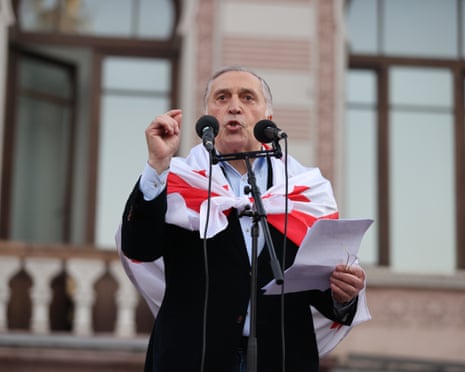
Who Is Paata Burchuladze and Why Is He Imprisoned?
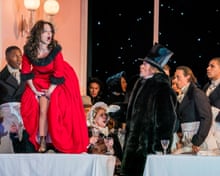
Paata Burchuladze, aged 71, is no ordinary detainee. A celebrated opera star, he has graced prestigious stages such as the Royal Opera House and the Metropolitan Opera House in New York. His illustrious career includes collaborations with legendary figures like Luciano Pavarotti, Plácido Domingo, and José Carreras. Despite his global acclaim, Burchuladze was arrested after participating in a protest outside the presidential palace in Tbilisi, Georgia’s capital.

On 4 October last year, Burchuladze emerged as a prominent voice at nightly anti-government demonstrations sparked by the ruling regime’s perceived shift away from Western alliances. Amid freezing temperatures, he inspired protesters by singing from the back of a flatbed truck and reading a declaration that proclaimed “power returns to the people,” branding the government “illegitimate.” Shortly thereafter, he and nine others were detained, accused of fomenting violence against the government.

Last week, Burchuladze received a harsh seven-year prison sentence, which he described as effectively a life sentence due to his advanced age. His case is emblematic of a wider crackdown: over 100 political prisoners are currently held in Georgia, with more than 500 arrests during recent peaceful protests and hundreds alleging torture or ill treatment in custody.

The Political Context: Authoritarianism and Pro-Russian Influence
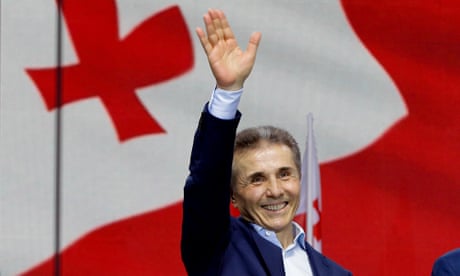
The Georgian government is dominated by the ruling party Georgian Dream, chaired by billionaire Bidzina Ivanishvili, the country’s wealthiest man. Ivanishvili’s administration has faced international condemnation; in 2024, the US imposed sanctions on him for actions that undermined Georgian democracy in favor of Russian interests under Vladimir Putin.

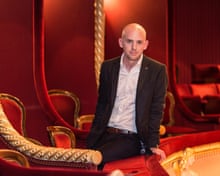
Burchuladze’s detention is widely viewed as politically motivated. Peter Katona, director of casting at the Royal Opera House, called the charges against Burchuladze “entirely fabricated and unlawful,” emphasizing that the singer is being targeted solely for his vocal opposition to the regime. Katona warned that this harsh punishment serves as a chilling warning to others who dare to challenge the government.

Despite multiple appeals from cultural institutions, including Belgium’s La Monnaie opera house, which echoed concerns over the lack of a fair trial and fundamental rights violations, the Georgian government has maintained its hardline stance. The European Union has responded by suspending Georgia’s accession talks, citing the regime’s democratic backsliding.
Burchuladze’s Legacy as a Pro-Democracy Champion
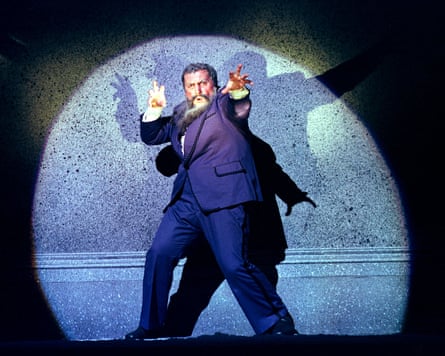
Born in Tbilisi, Paata Burchuladze has long been a prominent advocate for democracy and human rights in Georgia. Beyond his operatic achievements, he founded a short-lived political party in 2016 and served as a goodwill ambassador for both the UN and UNICEF. His commitment to democratic principles has been unwavering, even in the face of personal risk.
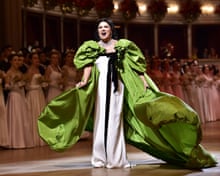
Shortly before his sentencing, Burchuladze declared, “I am convinced that recognisable figures such as myself, however comfortable our circumstances, must stand at the forefront and set an example in the fight to defend our homeland.” During earlier court appearances, he warned that the government was erecting an “iron fence” to isolate Georgia from Western alliances.
Eka Gigauri from anti-corruption group Transparency International highlighted the broader significance of Burchuladze’s case, stating that it exemplifies a clear pattern of repression aimed at silencing peaceful defenders of Georgia’s democratic future amid rising authoritarianism.
What This Means for Georgia and Its Democratic Prospects
The imprisonment of Paata Burchuladze marks a critical moment in Georgia’s ongoing struggle for democracy. The crackdown on opposition figures and protesters threatens to erode the country’s hard-won freedoms and alienate Western allies. The Royal Opera House’s public appeal to Prime Minister Starmer symbolizes growing international concern over human rights abuses in Georgia.

Despite diplomatic monitoring, the UK government has yet to respond publicly to these calls for action. The Foreign Office has stated it continues to observe developments closely and will stress the importance of detainees’ rights, including access to legal counsel and family communication, whenever appropriate.
For Georgians striving to safeguard freedom and human rights, international solidarity remains crucial. The case of Paata Burchuladze—a cultural icon turned political prisoner—underscores the high stakes in the battle for Georgia’s democratic future.
As the global community watches, the hope remains that justice and democracy will ultimately prevail in Georgia, allowing voices like Burchuladze’s to resound freely once more.