

In a provocative move, a Russian spy plane deployed dozens of sonar tracking devices directly in the path of the Royal Navy’s flagship aircraft carrier, sparking a rapid response from the Royal Air Force (RAF). This incident highlights escalating tensions and risks of confrontation at sea between the two nations.
What Happened: Sonar Devices Dropped Near UK Carrier
The episode unfolded when a Russian intelligence aircraft flew close to the UK’s premier naval vessel and released tens of sonar trackers into the water. These devices are designed to monitor underwater activity, effectively attempting to gather intelligence on the carrier’s movements and operations.
The maneuver was more than a routine surveillance mission; it appears to have been a deliberate attempt to harass the warship. The presence of these sonar trackers in the carrier’s immediate vicinity posed a direct threat to the ship’s security and operational integrity.
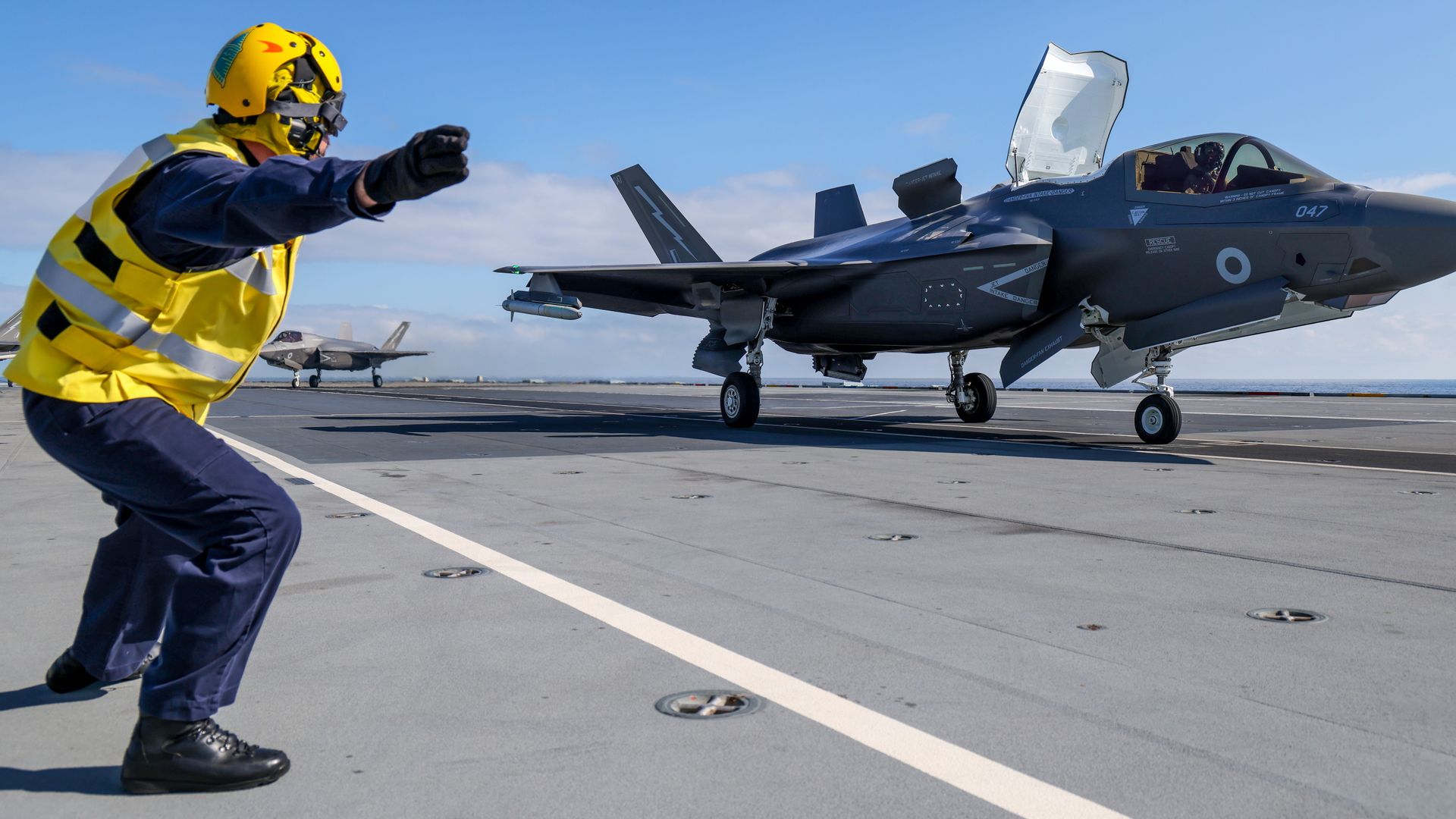
In response to this aggressive act, the RAF swiftly scrambled fighter jets to intercept and monitor the Russian plane, underscoring the seriousness with which the UK military treated the situation. This rapid deployment was intended to deter further provocations and protect the carrier from potential espionage or attack.
Context and Significance: Rising Naval Tensions in Strategic Waters
The Royal Navy’s flagship aircraft carrier represents a significant projection of British military power, often deployed in strategically sensitive regions. Russian attempts to shadow or disrupt such vessels are part of broader maritime posturing that has intensified in recent years.
Sonar devices dropped by aircraft serve as underwater surveillance tools, capable of detecting submarines and other vessels by capturing acoustic signals. By releasing these devices near the carrier, the Russian plane sought to gain real-time intelligence on the ship’s underwater defenses and movements.
This kind of activity is not unique but reflects a pattern of increasingly assertive Russian naval behavior, particularly around NATO countries. The UK, as a key NATO member, faces direct challenges to its maritime security arising from these intelligence-gathering operations.
The RAF’s prompt response highlights the UK’s commitment to defending its assets and maintaining freedom of navigation. It also signals to Russia that such provocations will meet with immediate and visible countermeasures.
Implications: What This Means for UK-Russia Naval Relations
The incident underscores a dangerous escalation in maritime rivalry. Deploying sonar trackers near a warship can be interpreted as a hostile act, potentially leading to miscalculations or accidents at sea.
For the UK, safeguarding the aircraft carrier is paramount, given its role in power projection, deterrence, and supporting allied operations worldwide. This event may prompt the Royal Navy to enhance its defensive measures and surveillance capabilities around such vital assets.
On a broader scale, the episode illustrates the fragile nature of military encounters between Russia and NATO forces. It serves as a stark reminder of the ongoing strategic contest in key maritime zones, where intelligence gathering and counterintelligence operations have become increasingly aggressive.
Diplomatic efforts to manage these tensions remain critical. However, incidents like this reveal the persistent risk of escalation and the need for clear communication channels to prevent unintended conflicts.
Looking Ahead: Navigating an Unstable Maritime Environment
As the UK continues to deploy its aircraft carrier on global missions, encounters with Russian surveillance efforts are likely to persist. The Royal Navy and RAF must remain vigilant, ready to respond swiftly to any attempts to compromise their operations.
This event also calls for renewed focus on maritime security protocols and possibly updated international agreements governing naval conduct. Ensuring stability in contested waters requires both robust defense postures and diplomatic engagement.
Ultimately, the dropping of sonar devices by a Russian spy plane near the Royal Navy’s flagship serves as a potent symbol of the ongoing strategic rivalry at sea. It highlights the complex challenges faced by modern naval forces operating in a tense and unpredictable security environment.