

A Russian naval vessel recently executed a live-fire weapons exercise alarmingly close to the United Kingdom’s coastline, sparking concerns over maritime security in the region. The Ministry of Defence (MoD) confirmed the military drill took place approximately 40 nautical miles—equivalent to 46 miles—off the British coast, underscoring rising tensions and the strategic significance of the area.
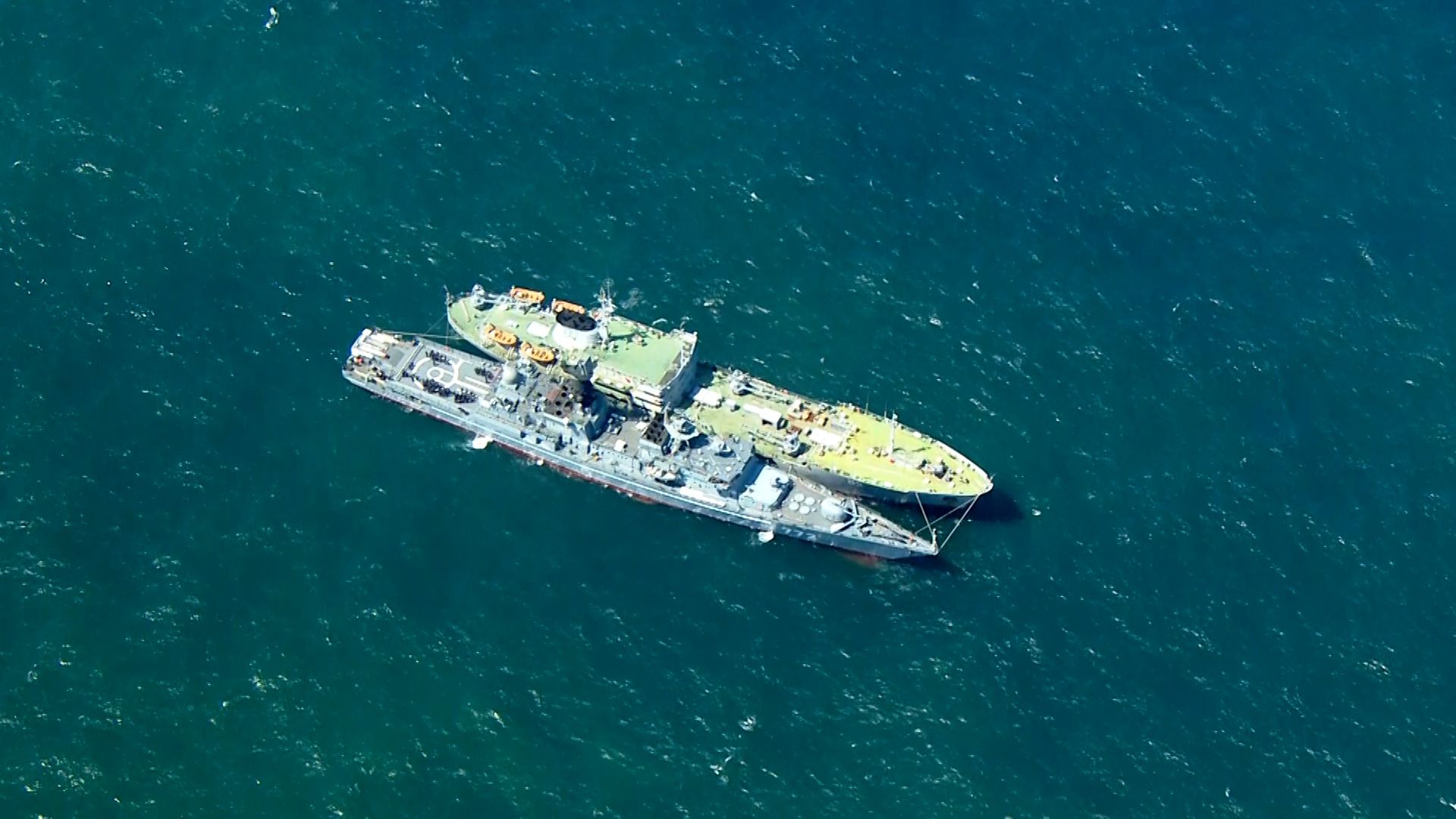
Details of the Russian Naval Exercise
The Russian warship engaged in a live-fire weapons exercise, a demonstration involving the discharge of actual munitions rather than simulated or training rounds. Conducting such an operation near the UK’s territorial waters is a notable development because it represents a direct military activity within close proximity to British national security zones.
While the exact class and name of the Russian warship involved have not been publicly disclosed, the event aligns with a pattern of increased Russian naval presence in waters surrounding Europe. The exercise’s location—only 46 miles off the coast—places it well within the UK’s Exclusive Economic Zone (EEZ), an area where the UK holds special rights regarding the exploration and use of marine resources, making such military activities particularly sensitive.
Why This Matters: Security and Geopolitical Implications
This incident highlights the ongoing geopolitical friction between the UK and Russia, especially given the broader context of strained relations following recent conflicts and diplomatic disputes. The proximity of this live-fire exercise to the UK coast raises significant concerns about the potential risks to civilian maritime traffic, including fishing vessels and commercial shipping lanes, which frequently traverse these waters.
The UK Ministry of Defence’s monitoring and public disclosure of the event reflect the government’s vigilance in safeguarding its maritime borders. It also signals a message to Russia and other nations about the UK’s resolve to maintain security and sovereignty in its adjacent waters.
Furthermore, live-fire exercises near a foreign nation’s coast can be perceived as provocative military posturing. Such actions often serve dual purposes: testing and demonstrating military readiness, and sending strategic signals to adversaries. In this case, the exercise may be interpreted as Russia asserting its naval capabilities and willingness to operate near Western maritime frontiers.
Broader Context: Russian Naval Activities Near Europe
In recent years, Russian naval forces have increased their operational footprint in the North Atlantic and surrounding European waters. These maneuvers often involve advanced warships, submarines, and aircraft conducting drills that test the readiness and endurance of their forces. The UK, alongside NATO allies, has responded by ramping up surveillance and patrol missions to counterbalance Russian activities.
The location of this latest exercise—off the UK coast—places it within a region that is critical for transatlantic trade and military logistics. The North Sea and adjacent Atlantic waters serve as vital corridors for the movement of goods and military assets between North America and Europe.
Such exercises not only challenge UK defenses but also contribute to an atmosphere of uncertainty and heightened alert among regional allies. The strategic significance of these waters means that any military activity here is closely watched by multiple nations.
Looking Ahead: What This Means for UK Maritime Security
Incidents like this underscore the importance of robust maritime surveillance and defense capabilities. The UK will likely continue to enhance its naval presence and intelligence operations in response to these challenges. Coordination with NATO partners will also remain crucial to ensure collective security and deter aggressive maneuvers near European shores.
For the British public and international observers, the proximity of Russian live-fire drills serves as a stark reminder of the evolving security landscape. It reinforces the need for vigilance, preparedness, and diplomatic efforts to manage tensions and prevent potential conflicts in these contested waters.
In summary, the recent Russian warship exercise just 46 miles off the UK coast is more than a routine military drill. It is a strategic signal wrapped in a demonstration of power, reflecting ongoing geopolitical rivalries and the critical importance of maritime security in the region.