

A widespread salmonella outbreak linked to flavored noodles has now confirmed over 100 cases across the United Kingdom and 13 other countries, raising significant public health concerns. Authorities are actively investigating the source and urging consumers to exercise caution when handling and consuming these products.
What Happened: The Scope of the Outbreak
The salmonella outbreak was first detected following a surge in reported infections traced back to flavored noodle products. So far, health officials have confirmed more than 100 cases connected to this contamination, spanning the UK and extending into multiple European and international markets.
Salmonella, a common bacterial pathogen, typically causes symptoms like diarrhea, fever, and abdominal cramps. While most individuals recover without complications, it can lead to severe illness, especially in young children, the elderly, and those with weakened immune systems.
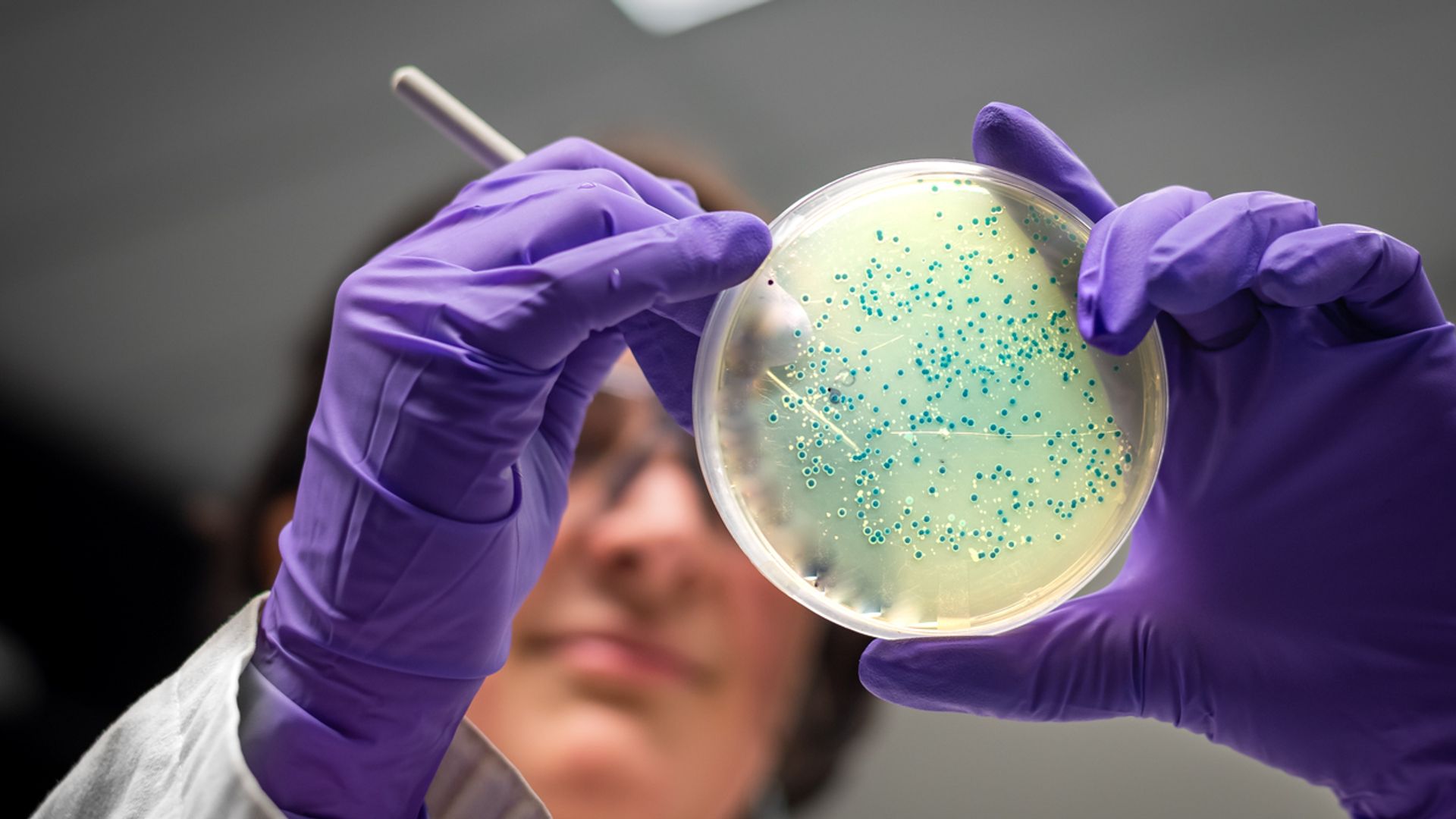
Investigators are working alongside food safety agencies to pinpoint the exact batch or manufacturing process responsible for the contamination. This collaborative effort includes detailed tracing of supply chains and product distribution networks to prevent further spread.
Why It Matters: Public Health Risks and Consumer Safety
This outbreak underscores the critical importance of rigorous food safety standards and vigilant monitoring of ready-to-eat and convenience foods, such as flavored noodles, which have grown increasingly popular worldwide. The incident highlights vulnerabilities in the food production and distribution system that can have far-reaching impacts.
Flavored noodles often undergo minimal cooking by consumers, making them particularly susceptible to transmitting foodborne pathogens if contaminated during production. The outbreak serves as a stark reminder that even familiar, everyday foods can pose serious health risks without proper safeguards.
Public health authorities have issued guidance advising consumers to thoroughly cook noodle products and maintain strict kitchen hygiene to reduce infection risk. Additionally, vulnerable groups should consider avoiding potentially affected products until the outbreak is fully controlled.
What Comes Next: Containment and Prevention Efforts
Food safety regulators and health officials are intensifying inspections of manufacturers linked to the flavored noodles in question. Recall efforts may be underway or imminent to remove contaminated products from shelves and minimize further infections.
Ongoing surveillance and testing will continue to track the outbreak’s progression and effectiveness of containment strategies. Public communication campaigns aim to keep consumers informed about which products to avoid and how to recognize salmonella symptoms early.
Meanwhile, scientists and food safety experts are examining how such contamination occurred to implement stricter controls and prevent future incidents. This outbreak is likely to prompt reviews of food safety protocols, particularly for snack foods and quick-preparation meals.
Looking Ahead: Lessons and Implications for Food Safety
The salmonella outbreak linked to flavored noodles illustrates the complex challenges in ensuring food safety in a globalized market. Consumers rely heavily on processed and convenience foods, which require stringent quality assurance at every stage—from manufacturing to retail.
This incident should galvanize producers and regulators to adopt more proactive measures, such as enhanced pathogen testing, improved sanitation practices, and transparent supply chain monitoring. For consumers, heightened awareness and cautious food handling remain essential defenses against foodborne illnesses.
As investigations continue, public health agencies will provide updates to protect communities and restore confidence in the safety of everyday food products. The lessons learned from this outbreak will be vital in strengthening food safety frameworks and safeguarding public health worldwide.