

Scott Mills, the former BBC Radio 2 presenter, has announced he is stepping back from his role as an ambassador for the Multiple Sclerosis (MS) Society amid ongoing scrutiny after his recent dismissal from the BBC. This development comes in the wake of serious allegations that have cast a shadow over his public and charitable engagements.
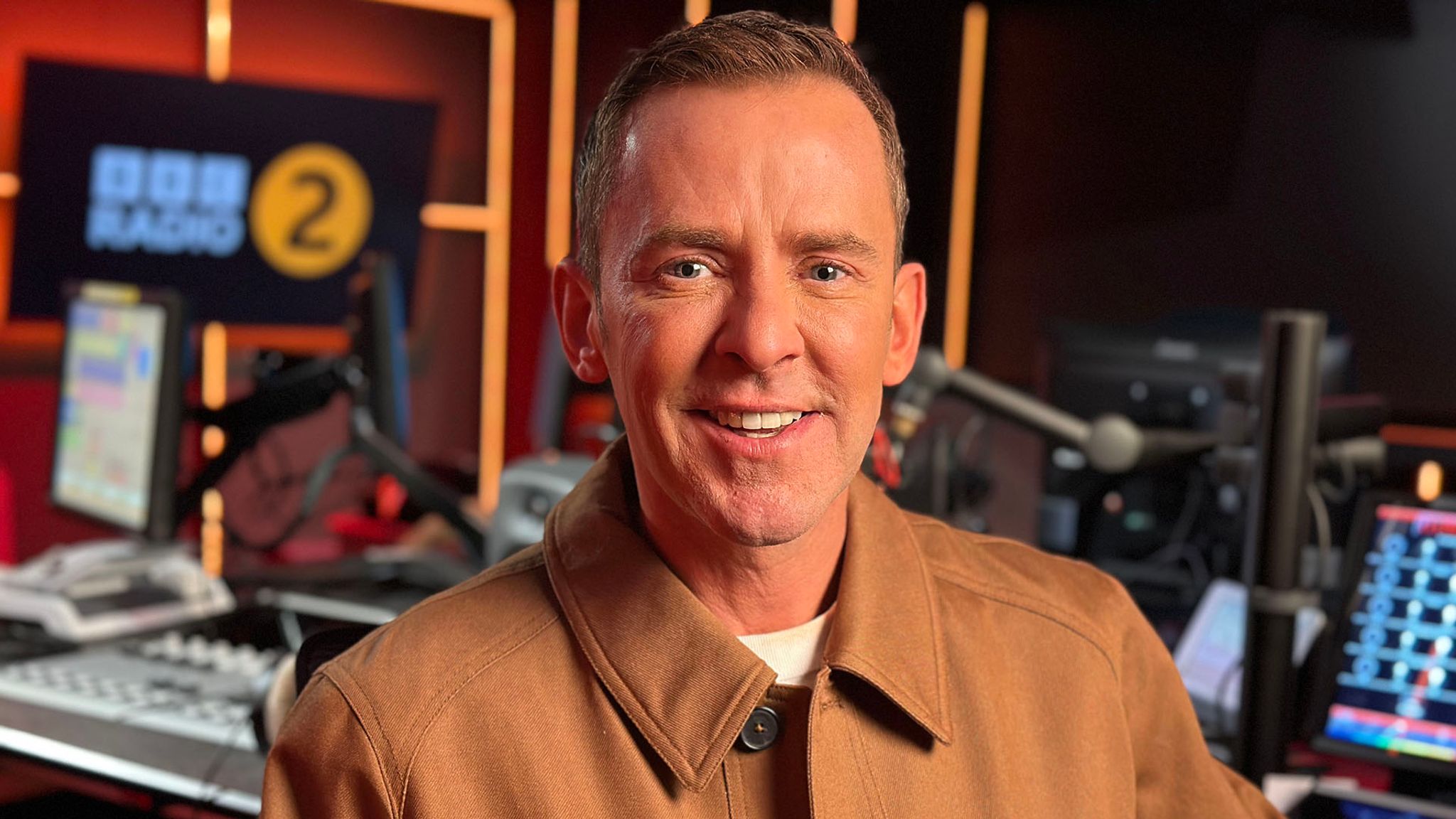
What Happened: BBC Contract Termination and Police Investigation
On 27 March, the BBC terminated Scott Mills’ contract following allegations related to his personal conduct. The broadcaster revealed the decision after learning that the alleged victim involved in a police investigation was under 16 years old at the time of the complaint. The BBC took swift action once these concerns surfaced, emphasizing their zero-tolerance stance on such issues.
Further details emerged showing that the Metropolitan Police had launched an investigation into Mills back in December 2016. The probe focused on allegations of serious sexual offences against a teenage boy, with the alleged incidents dating between 1997 and 2000, when Mills was in his mid-20s.
Despite the severity of the claims, the Crown Prosecution Service (CPS) ultimately decided in May 2019 that the evidential threshold was not met to pursue charges, leading to the closure of the case. Mills fully cooperated with the police during the investigation and has maintained his innocence throughout.
Impact on Charity Work and Academic Honors
The MS Society, the UK’s largest charity supporting people living with multiple sclerosis, confirmed that Mills has been a respected ambassador for over a decade. His connection to the cause is deeply personal, as his mother lives with MS, a debilitating neurological condition affecting the brain and spinal cord.
In response to the recent news, the charity issued a statement: “Scott Mills has been a valued MS Society ambassador for over 10 years. In light of the current news, Scott is stepping back from this role while we review the situation. We take concerns of this nature and the trust placed in us as a charity extremely seriously.”
Scott Mills initially became an ambassador in 2015, lending his profile to raise awareness and support for MS research and patient care. His departure marks a significant shift for the charity, which has relied on his public platform to reach broader audiences.
Additionally, it is understood that Mills is set to lose his honorary Doctorate of Arts from Southampton Solent University. The university’s honorary doctorate scrutiny panel is scheduled to convene in April to review the circumstances surrounding his dismissal and the allegations.
Mills’ Public Response and Broader Implications
In his first public statement since the BBC contract termination, Mills addressed the situation directly. He acknowledged the rumors and speculation that followed but reiterated the facts surrounding the police investigation. He said, “An allegation was made against me in 2016 of a historic sexual offence, which was the subject of a police investigation in which I fully cooperated and responded to in 2018.”
Mills highlighted that the CPS had reviewed the evidence and concluded that there was insufficient basis to bring charges. Given that the investigation pertains to events nearly 30 years ago and the police case closed seven years ago, Mills urged the public and media to respect his wish for privacy and refrain from further comment on the matter.
This statement reflects the delicate balance public figures face when past allegations resurface. While Mills denies wrongdoing, the reputational damage and professional consequences are significant and ongoing.
Why This Matters: Trust, Accountability, and Support for MS
The situation surrounding Scott Mills underscores the challenges charities face when their ambassadors become embroiled in controversy. The MS Society’s decision to pause Mills’ involvement highlights the importance of maintaining public trust and ethical standards in charitable work.
Multiple sclerosis remains a complex and incurable disease affecting tens of thousands of people in the UK alone. Ambassadors like Mills play a crucial role in fundraising and awareness campaigns, making their conduct and public image vital to the charity’s mission.
Similarly, institutions awarding honorary degrees must weigh the reputational risks associated with controversial figures. Southampton Solent University’s pending review reflects a growing trend among academic bodies to uphold integrity alongside recognition.
Looking Ahead: What’s Next for Scott Mills and the MS Society
As the MS Society conducts its review, Scott Mills’ future involvement with the charity remains uncertain. The broader entertainment and academic communities are also watching closely as decisions unfold. This case illustrates how historical allegations can have lasting impacts on public careers, even when legal charges do not proceed.
For now, Mills’ focus appears to be on stepping back and managing the fallout, while the MS Society prioritizes safeguarding its reputation and the interests of those it serves.
In summary, Scott Mills’ stepping back from his ambassador role marks a critical moment for all parties involved, emphasizing the intersection of personal conduct, public trust, and charitable responsibility. The coming weeks will likely bring further developments as investigations and reviews continue.