Anas Sarwar, the leader of Scottish Labour, has revealed he has not spoken directly to Sir Keir Starmer since publicly calling for the prime minister’s resignation earlier this year. Despite the silence, Sarwar remains steadfast in his stance and emphasizes ongoing collaboration within the party.

What Happened Between Sarwar and Starmer?
In February, during a news conference, Anas Sarwar made headlines by urging Sir Keir Starmer to step down as Labour leader. Sarwar later told Sky News political editor Beth Rigby that while he spoke to Starmer “a couple of times” that week, they have had no direct conversations since.
“I’ve not spoken to him since that week,” Sarwar admitted. However, he stressed that their respective teams maintain regular contact, and he continues to engage with other cabinet members. This ongoing dialogue focuses on advancing Labour’s agenda for Scotland and ensuring a UK-wide Labour government delivers tangible benefits to the nation.
Sarwar acknowledged the tension his public call for resignation caused. “Of course he was going to be taking it negatively, of course he was going to be angry,” Sarwar said. Yet, he insisted that despite Starmer’s reaction, communication lines remain open within the party.
Clearing the Air: No Coup, Just Concern for Scotland
Speculation swirled that Sarwar had coordinated with senior Labour figures, including Health Secretary Wes Streeting and former deputy leader Angela Rayner, before demanding Starmer’s departure. However, the Labour cabinet quickly united behind Starmer following Sarwar’s comments.
Addressing the rumours, Sarwar firmly denied any involvement in a coup or plot. “To be honest, it didn’t surprise me because I’m not part of any coup. I wasn’t part of any plot,” he said. “I wasn’t interested in what it meant for Westminster. I’m only interested in what it means for Scotland.”
When asked if he regretted publicly calling for Starmer to quit, Sarwar stood his ground. “I’ve stated my position, I stand by it, I don’t recount or recoil from that,” he said. He described the current UK Labour government as “unpopular” along with its leader, framing this as a factual observation rather than a personal attack.
Friendship and Political Realities
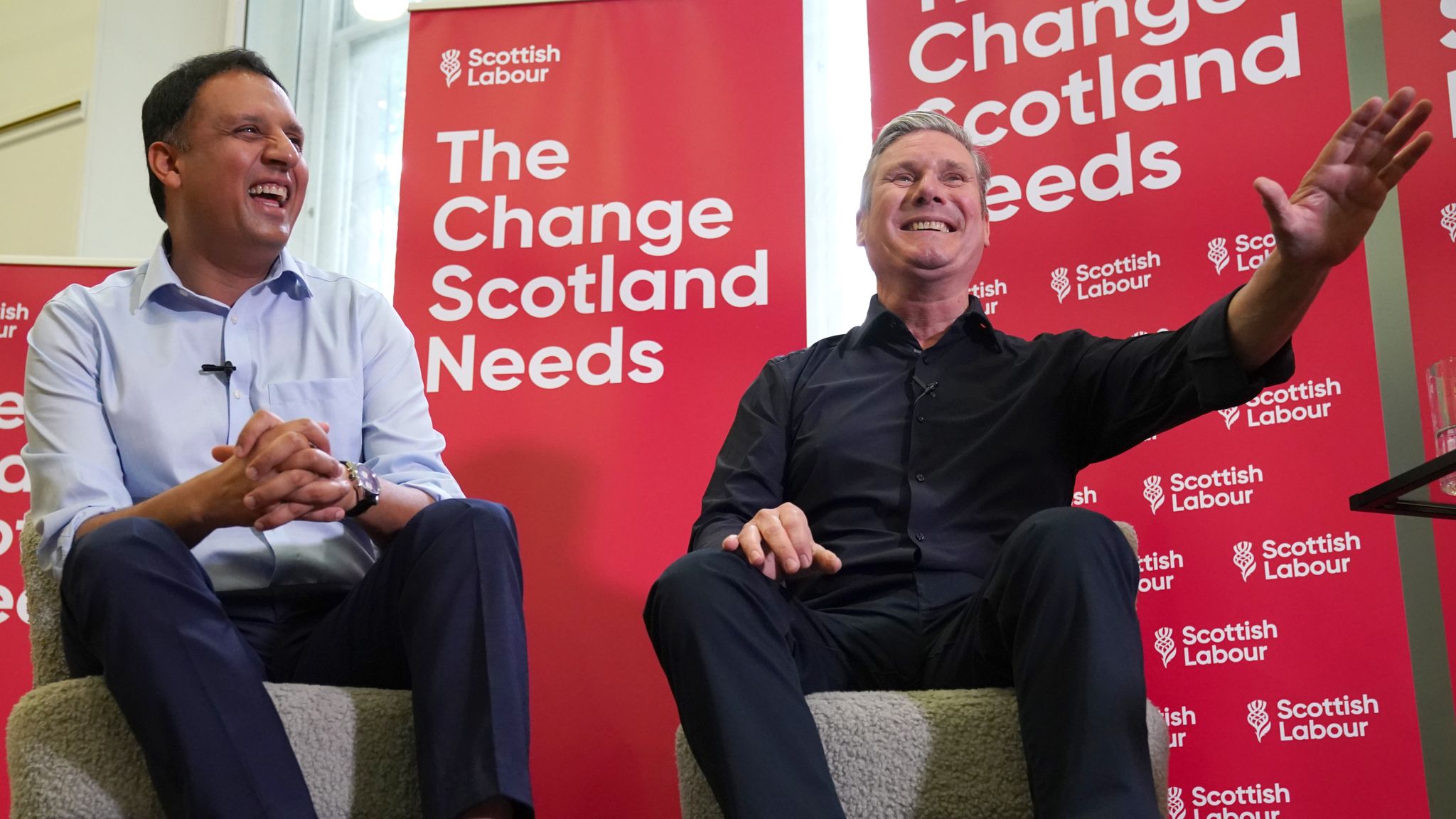
Beyond politics, Sarwar spoke candidly about his personal relationship with Starmer. “Keir Starmer is someone that I know, someone that I like, someone that I call a friend and someone who I have spent a lot of time with,” he said. Sarwar described the decision to call for Starmer’s resignation as “politically hard” but “even more difficult personally” because of their friendship.
“I know he is a good, decent man that wants to do the best by this country. So that was a very, very difficult position for me,” Sarwar added, underscoring the complexity of balancing personal respect with political disagreement.
Looking Ahead: The Crucial May Elections
Sarwar identified the upcoming elections on 7 May—including those for the Scottish Parliament, Welsh Senedd, English mayoral positions, and local councils—as a critical juncture for Labour. He echoed Angela Rayner’s warning that the party is “running out of time” to regain public trust.
“I think she’ll have a similar frustration to me, that many people don’t know the good things the Labour government has done,” Sarwar commented. He acknowledged the party has faced “far too many missteps” but urged focus on the immediate future rather than long-term political timelines.
“When Westminster politicians like Angela talk about time, they’re talking about the next three years. I’m interested in the next 50 days,” he said, highlighting the urgency of the upcoming elections for Labour’s fortunes.
Why This Matters
The tension between Anas Sarwar and Sir Keir Starmer reveals deeper challenges within Labour as it grapples with leadership questions and public perception. Sarwar’s outspoken call for Starmer’s resignation, coupled with their strained communication, underscores the pressure Labour faces ahead of critical elections.
For Scottish Labour, the stakes are particularly high—reflecting broader questions about the party’s direction, unity, and ability to connect with voters across the UK. Sarwar’s insistence on prioritizing Scotland’s interests within the UK Labour framework highlights ongoing debates about the party’s identity and strategy in devolved nations.
Ultimately, how Labour navigates this internal friction and the May elections will significantly influence its capacity to challenge the Conservative government and regain political momentum. Sarwar’s position signals a desire for change and accountability, even at the cost of personal relationships and party cohesion.
Full details of any future talks or reconciliations between Sarwar and Starmer have not yet been released.