

The fight to legalize assisted dying in Scotland has hit a significant roadblock after a passionate parliamentary battle ended in defeat. Liam McArthur MSP, the Scottish Liberal Democrat who championed the latest assisted dying bill, announced he will not reintroduce the legislation in the next Scottish Parliament. Despite his resolve, the emotional vote revealed deep divisions and highlighted urgent debates about end-of-life care across Scotland.
What Happened: The Defeat of the Assisted Dying Bill
On a tense evening at Holyrood, MSPs voted 69 to 57 against the Assisted Dying for Terminally Ill Adults (Scotland) Bill. The proposed law would have allowed terminally ill, mentally competent adults with less than six months to live to seek medical assistance to end their lives, aiming to prevent prolonged suffering from what McArthur described as “bad deaths.”
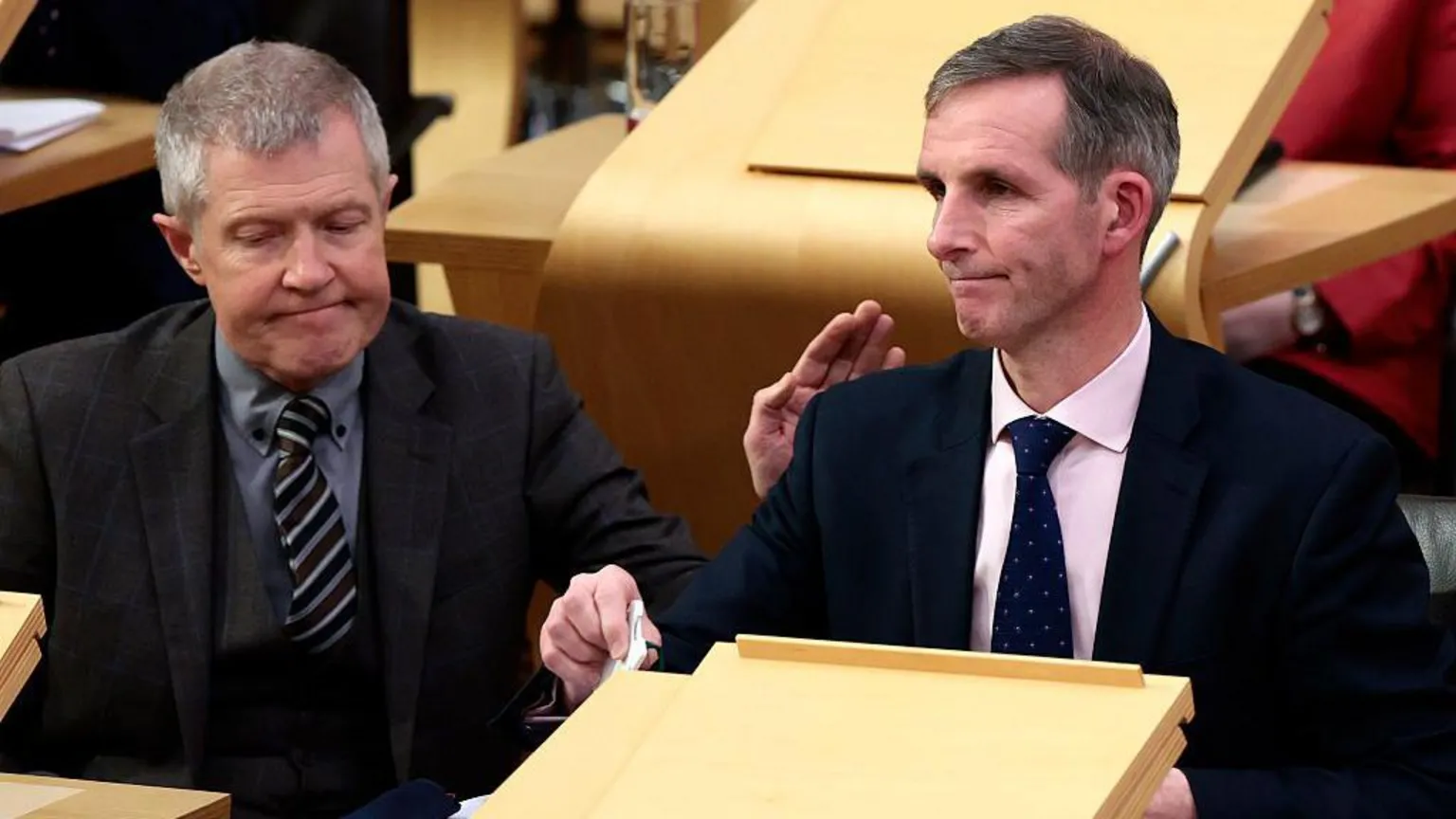
The debate spanned over four hours, with MSPs openly sharing personal stories and emotional pleas on both sides. McArthur, visibly moved by the outcome, embraced his colleagues as the chamber emptied, acknowledging the bill’s defeat as a “woefully inadequate” response to the trauma faced by many dying Scots.
This bill marked the third attempt since devolution in 1999 to legalize assisted dying, but it was the first to pass the initial stage in Parliament. McArthur had made several amendments to address concerns and win over undecided MSPs, yet the measure was ultimately blocked by a majority of Labour and Conservative members, alongside 22 SNP MSPs, including Deputy First Minister John Swinney.
Why It Matters: Public Opinion and Palliative Care Challenges
Despite the bill’s failure, McArthur expressed confidence that public support for assisted dying will continue to grow. Speaking on the Around Orkney programme, he pointed to demographic trends and medical advances that will increase the number of people affected by prolonged end-of-life suffering.
Polling on assisted dying in Scotland shows mixed but generally supportive public sentiment. A 2024 survey commissioned by Dignity in Dying Scotland found 78% backing legal assisted dying under certain circumstances. Conversely, a poll by Not Dead Yet UK highlighted that 69% of respondents wanted Holyrood to focus on improving care for disabled people before considering assisted suicide legislation.
Across the UK, the National Centre for Social Research reported 79% support for assisted dying in some situations. Yet, this strong public backing contrasts with ongoing concerns about the adequacy and equity of palliative care services.
End-of-life care providers stress that Scotland’s hospices and palliative services face growing demand. Marie Curie estimates a 20% rise in palliative care needs by 2050, with nearly 11,000 more people requiring care annually than in 2025. Although the Scottish government has pledged £6.5 million in hospice funding next year, many experts warn this is insufficient for long-term sustainability.
Diverse Reactions from Advocacy and Religious Groups
Opponents, such as Alisdair Hungerford-Morgan of Right To Life UK, argue that legalizing assisted dying risks coercion of vulnerable individuals and call for greater investment in universal palliative care. Conversely, supporters like Emma Cooper from Friends at the End (FATE) contend that misinformation clouds the debate and that assisted dying already occurs informally within the NHS.
Religious leaders also weighed in with differing perspectives but united calls for improved palliative care. Bishop John Keenan supported MSPs’ decision, emphasizing the importance of holistic support respecting patient dignity. Meanwhile, Omar Afzal from the Scottish Association of Mosques highlighted systemic underfunding and uneven access to end-of-life care. The Church of Scotland’s moderator, Rt Rev Rosie Frew, acknowledged diverse views within the church and warned that assisted dying could become the only option for some vulnerable people.
What Comes Next: Focus on Palliative Care and Future Legislative Efforts
First Minister John Swinney described the debate as “comprehensive and passionate” and pledged that improving palliative care will be a government priority moving forward. He acknowledged the clear consensus for enhancing end-of-life services, even as the principle of assisted dying was rejected.
With McArthur stepping back from reintroducing the bill, the campaign for assisted dying in Scotland is likely to pause until after the May Holyrood election. Yet, he remains optimistic about eventual success, predicting that changing demographics and public opinion will bring the issue back to the forefront.
Meanwhile, the Scottish government faces mounting pressure to address disparities in palliative care access and funding. The debate has illuminated the urgent need for a sustainable, well-resourced system that respects patient choices and provides compassionate support at life’s end.
Looking Beyond Scotland: Assisted Dying in the UK
At the UK level, a bill to legalize assisted dying in England and Wales is under consideration but faces uncertain prospects before Parliament dissolves. Scotland’s experience underscores the complexity of balancing ethical, medical, and social factors in shaping laws around assisted dying.
As public discussions continue, Scotland stands at a crossroads: investing robustly in palliative care while grappling with the moral and practical questions posed by assisted dying legislation.
Takeaway: The Debate Continues
The defeat of the assisted dying bill in Scotland represents more than a legislative setback—it reflects a nation wrestling with how best to honor dignity, autonomy, and compassion at the end of life. While legal change will not happen immediately, the conversation sparked by this bill is far from over.
With an aging population and evolving healthcare needs, Scotland’s path forward will require thoughtful dialogue, sustained investment in palliative services, and a readiness to revisit assisted dying as public attitudes and medical realities shift in coming years.