

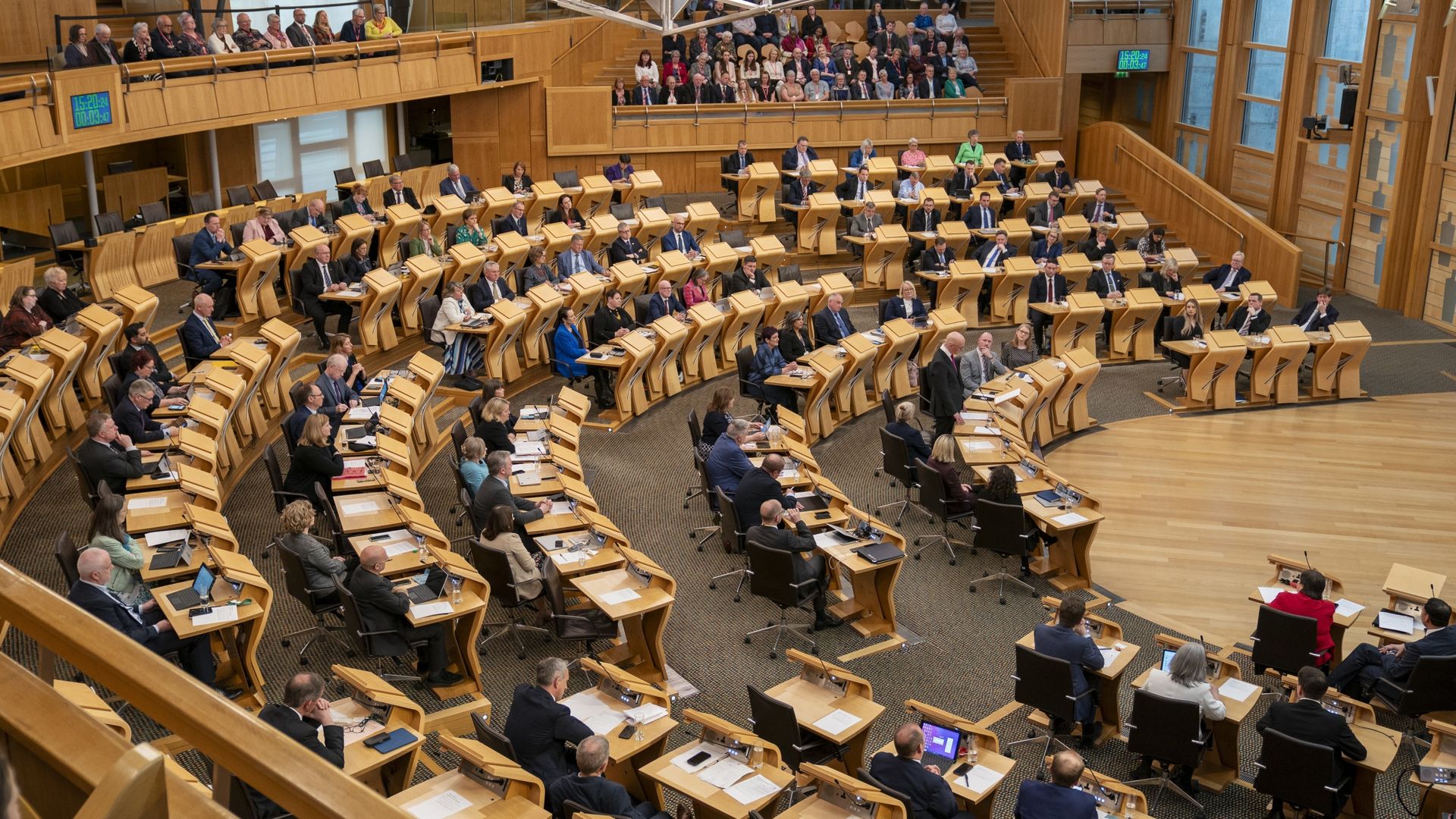
The Scottish Parliament has eliminated the ability to filter Members of the Scottish Parliament (MSPs) by gender on its official website. This change comes shortly after the historic election of transgender MSPs, reflecting a shift toward more inclusive and sensitive representation in Scotland’s legislative body.
What Prompted the Removal of the Gender Search Function?
Previously, visitors to the Scottish Parliament website could search for MSPs using various filters, including gender categories. This feature allowed users to easily identify male and female parliamentarians. However, the recent election of openly transgender MSPs challenged the traditional binary gender classification system maintained on the site.
By removing the gender filter, the Parliament acknowledges the evolving understanding of gender identity and the need to respect the identities of all elected representatives. This move prevents misclassification and ensures that all MSPs are represented accurately without forcing them into restrictive gender categories.
Why This Change Matters in the Context of Representation
The election of transgender MSPs marks a significant milestone for LGBTQ+ representation in Scottish politics and signals broader societal progress toward acceptance and inclusion. Maintaining a gender search function that relies on binary labels risks alienating or misrepresenting these individuals.
Removing this feature demonstrates a commitment to inclusivity, affirming that gender identity is complex and cannot always be neatly categorized. It also aligns the Parliament’s public-facing tools with contemporary conversations about gender diversity and respect for personal identity.
This decision may influence other institutions to reconsider how they categorize and present information about individuals, especially in public and government contexts.
What Comes Next for the Scottish Parliament’s Digital Accessibility?
While the gender search option has been removed, the Parliament’s website continues to offer other ways to explore and learn about MSPs, such as by constituency, party affiliation, or committee membership. These alternative filters provide robust access to parliamentary information without relying on gender as a primary sorting criterion.
Looking ahead, the Scottish Parliament is likely to continue adapting its digital tools and public communication strategies to better reflect the diversity of its members and the public it serves. This might include introducing new categories or developing more nuanced ways to present demographic information that respects individual identities.
Ensuring digital accessibility and inclusion remains a priority, as the Parliament embraces diversity and seeks to foster an environment where everyone feels accurately represented and respected.
Why This Shift Is Important for Scottish Society
The removal of the gender search function on the Scottish Parliament’s website is more than a technical adjustment—it symbolizes a broader cultural shift within Scotland. It acknowledges the presence and legitimacy of transgender individuals in political leadership and challenges outdated norms about gender classification.
For constituents, this change enhances the understanding that elected officials come from diverse backgrounds and identities, encouraging greater acceptance and support. It also sends a strong message that public institutions are evolving to become more inclusive and reflective of the communities they represent.
As society continues to grapple with issues of gender identity and representation, actions like this play a crucial role in normalizing diversity and promoting equality in all sectors, including governance.
Looking Forward: A More Inclusive Political Landscape
The Scottish Parliament’s decision to remove the gender search option underscores its commitment to inclusivity and respect for all MSPs. It sets an example for other legislative bodies and public institutions worldwide to reconsider how they categorize individuals in a way that honors identity without imposing simplistic labels.
As Scotland moves toward a future where diversity is celebrated and recognized in all forms, the Parliament’s website change serves as a small but meaningful step. It reflects a growing awareness that true representation requires thoughtful, inclusive approaches that embrace complexity rather than shy away from it.
Ultimately, this development reinforces the message that political institutions must evolve alongside society, ensuring that every voice is seen, heard, and respected—regardless of gender identity.