

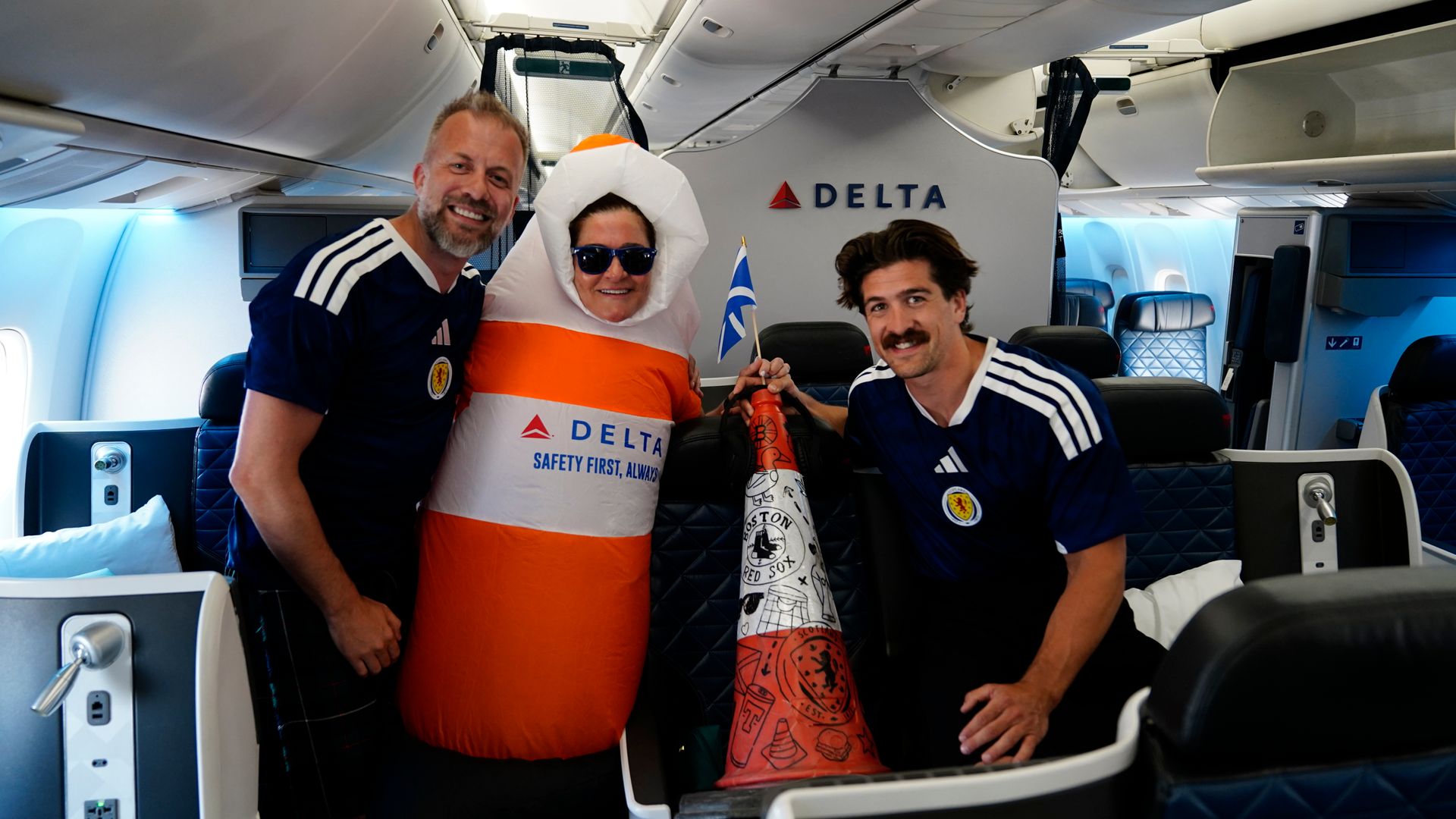
In an extraordinary and lighthearted diplomatic gesture, a traffic cone representing the friendship between Glasgow, Scotland, and Massachusetts, USA, was flown across the Atlantic Ocean — not in cargo hold, but occupying a first-class airplane seat. This unusual symbol of camaraderie highlights the creative ways cities and regions use cultural icons to deepen international ties.
The Story Behind the Transatlantic Traffic Cone
The traffic cone, a common sight on Scottish streets, was chosen as a quirky emblem of goodwill and connection between Glasgow and Massachusetts, two regions with rich histories and vibrant communities. The decision to send this everyday object across the ocean in such a prestigious manner was intentional: it underscores the value placed on this transatlantic friendship.
While traffic cones typically serve a functional role—marking roadworks or hazards—the one sent to Boston carries a much more symbolic weight. It embodies a message of unity, humor, and the willingness to forge connections in unconventional ways. The cone’s first-class journey also adds a playful touch of importance, suggesting that friendship deserves the highest regard.
Why This Gesture Matters: Strengthening Bonds Through Symbolism
At first glance, a traffic cone might seem like an odd choice to represent international friendship. However, such symbols often capture public imagination more effectively than formal agreements or speeches. Glasgow and Massachusetts have a shared history in cultural exchange, education, and economic collaboration. This gesture builds on those foundations by inviting communities to engage with the relationship in a tangible, memorable way.
Moreover, the cone’s journey reflects a broader trend of cities adopting unique symbols to showcase their identities and partnerships. In an era where diplomatic interactions are frequently digital or bureaucratic, tangible items like this cone bring a human and humorous element to international relations.
This initiative also encourages public interest and media coverage, helping to raise awareness of Glasgow’s and Massachusetts’ ongoing cooperation. It serves as a reminder that international bonds are maintained not only through formal channels but also through creative cultural exchanges that resonate with everyday people.
What Comes Next for Glasgow and Massachusetts Friendship
The arrival of the traffic cone in Boston marks the beginning of a series of planned cultural and community events aimed at deepening the connection between the two regions. These activities will likely involve educational programs, artistic collaborations, and economic partnerships that build on the goodwill symbolized by the cone.
Both Glasgow and Massachusetts officials have expressed enthusiasm about expanding their relationship, citing the cone’s journey as a catalyst for increased interaction. Future initiatives may include reciprocal visits, joint festivals, and even infrastructure projects inspired by shared values.
Importantly, this playful gesture sets a precedent for thinking creatively about diplomacy and friendship. By embracing humor and symbolism, Glasgow and Massachusetts demonstrate how cultural identity and international cooperation can intertwine in compelling ways.
Takeaway: Friendship Flies High with Creativity and Symbolism
The first-class flight of a traffic cone from Glasgow to Boston is more than a quirky anecdote — it represents a meaningful and imaginative approach to international friendship. It highlights how cities can use everyday objects to communicate values, foster connections, and engage the public in global relationships.
As Glasgow and Massachusetts continue to strengthen their partnership, this traffic cone serves as a memorable emblem of their commitment to collaboration, cultural exchange, and goodwill. It reminds us that diplomacy doesn’t always require grand gestures; sometimes, a humble traffic cone flying first class can speak volumes.