

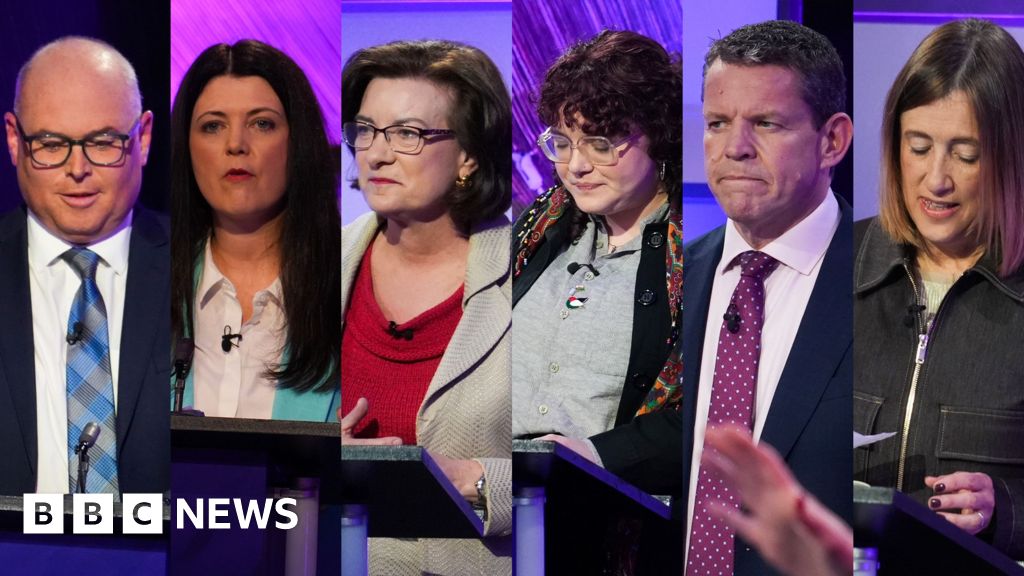
The recent Senedd election debate on S4C ignited passionate exchanges on critical issues facing Wales today—from the rising cost of living to cultural identity and the future of Welsh independence. Candidates from major parties clashed over tax policies, housing, and language, revealing deep divides and diverse visions for Wales’ path forward.
Controversy Over Farage’s ‘Foreign Speakers’ Comment
One of the most contentious moments arose when a candidate was questioned about a video featuring Nigel Farage, in which he referred to Welsh speakers as “foreign speakers.” The video, recorded as a wedding greeting earlier this year, sparked outrage given its dismissive tone toward the Welsh language.
Welsh Conservatives’ candidate acknowledged the remark, describing it as “not a joke I would have made, but it was a joke.” This response underscores the ongoing sensitivity surrounding the Welsh language’s status and the broader cultural identity debates in Wales. The language remains a vital aspect of Welsh heritage, and such comments threaten to deepen cultural divides at a time when unity is crucial.
Tax Cuts and the Cost of Living Crisis
As the cost of living continues to rise sharply, parties outlined competing approaches to ease financial pressures on Welsh families. Paul Davies, deputy leader of the Welsh Conservatives in the Senedd, promised to “cut a penny off the basic rate of income tax,” estimating that this would save families approximately £450 annually.
Davies vehemently rejected claims that such tax cuts would rely on a “magic money tree,” emphasizing that the UK government would play a crucial role in funding key infrastructure projects, including the proposed M4 relief road around Newport. This road aims to alleviate congestion on one of Wales’ busiest transport arteries, potentially boosting commerce and daily commutes.
Meanwhile, the Green Party’s Tessa Marshall concentrated on housing, advocating for a freeze on private rents to protect tenants from escalating costs. However, this policy met skepticism from some audience members who warned that rent freezes might compel landlords to sell properties, exacerbating an already critical housing shortage in Wales.
Welsh Independence: A Divisive Vision
The debate also spotlighted the polarizing topic of Welsh independence. The Green Party openly supports independence, with Tessa Marshall arguing that Wales must first “build a civic society” to prepare for this profound political change. This concept involves strengthening community engagement and developing shared national values as prerequisites for sovereignty.
Conversely, Jane Dodds, leader of the Welsh Liberal Democrats, firmly opposed any post-election cooperation with parties that prioritize spending public funds on independence preparations. Dodds’ stance reflects the reluctance among some voters and politicians who fear the economic uncertainty and division that independence efforts may bring.
What This Means for Wales
The S4C Senedd election debate revealed the complex interplay between economic challenges, cultural identity, and political aspirations in Wales. The cost of living crisis places immediate pressure on parties to present practical solutions, while the Welsh language’s significance and the question of independence continue to shape the political landscape.
As voters head to the polls, these issues will inevitably influence their decisions. Tax cuts and infrastructure promises appeal to those seeking economic relief and development, while housing policies and language debates engage communities concerned about social equity and cultural preservation.
Most notably, the independence question remains a defining fault line. The call to build a civic society before pursuing sovereignty suggests a long-term vision, but resistance to funding independence preparation signals that many remain cautious about such a path.
Ultimately, the Senedd election will determine which vision for Wales gains traction—whether focusing on immediate economic relief, cultural affirmation, or transformative political change. The coming years will reveal how these competing priorities shape Wales’ future.