

The saga behind Peter Mandelson’s controversial appointment as Ambassador to Washington exposes the intense political and bureaucratic pressures in the heart of government. Despite multiple warnings and red flags, Number 10 pushed the appointment through, with former permanent under-secretary Olly Robbins playing a pivotal role in quietly clearing Mandelson’s vetting and smoothing the way for a politically charged decision.
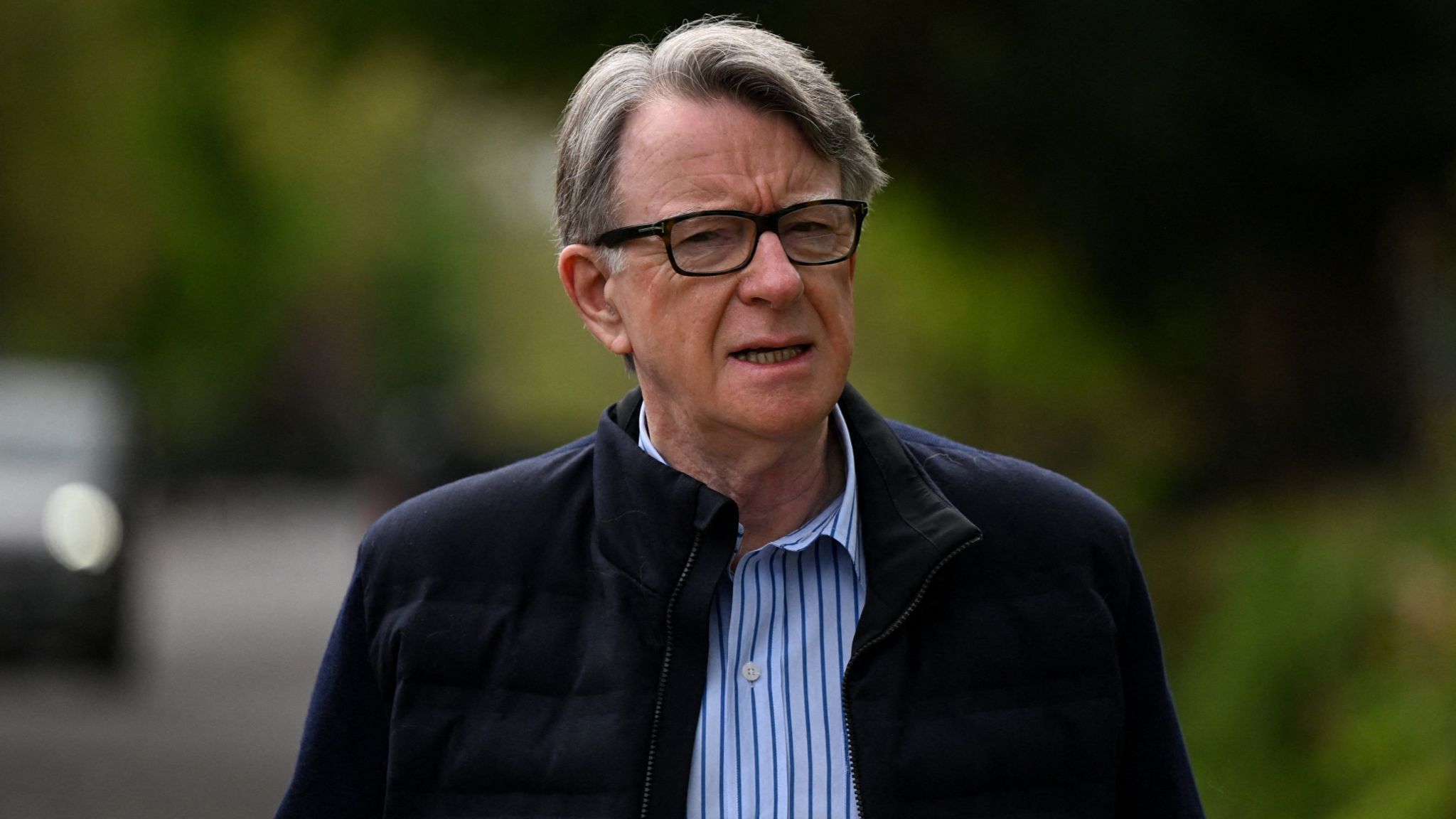
What Happened with Mandelson’s Appointment?
During the final months of 2024, Number 10 Downing Street repeatedly signalled its determination to appoint Peter Mandelson as the UK Ambassador to the United States. This move sparked immediate internal resistance. Cabinet ministers, intelligence agencies, and officials involved in vetting all raised significant concerns about Mandelson’s suitability.
Despite these warnings, the Prime Minister’s office, backed by Sir Keir Starmer and his former aide Morgan McSweeney, insisted the appointment must proceed without delay or objection. Their stance was unequivocal: Mandelson’s placement in Washington was non-negotiable.
Consequently, the appointment was publicly announced in mid-December 2024, well before the final vetting process was complete. The timing meant that any subsequent objections would face enormous political hurdles, given the public commitment already made.
The Crucial Vetting Phase and Olly Robbins’ Role
Ambassador vetting is primarily managed by the Foreign, Commonwealth and Development Office (FCDO) and overseen by the permanent under-secretary, a role held by Olly Robbins at the time. The vetting process includes input from the United Kingdom Security Vetting (UKSV) agency, which evaluates candidates for security risks.
In January 2025, after the public announcement, the UKSV delivered a clear recommendation: do not appoint Mandelson. The exact reasons remain undisclosed, but they likely echoed the concerns initially raised by Cabinet ministers and intelligence officials in the months before.
Faced with this stark opposition, Robbins made a critical decision. Although Mandelson did not receive the highest level of security clearance, Robbins gave the overall approval for the appointment to proceed. His judgment effectively overrode the UKSV’s objections.
Robbins’ intervention was not a neutral bureaucratic step; it was a calculated move that served Number 10’s political interests. He understood that reversing the appointment after the public announcement would be politically impossible and potentially damaging for the government.

Why Olly Robbins’ Intervention Matters
Robbins’ choice to clear Mandelson quietly shielded Number 10 from a public and politically explosive confrontation. Civil servants are expected to support ministers and political leaders, and Robbins delivered on that expectation, even as it exposed him to personal and professional risks.
In fact, Robbins’ actions went beyond just facilitating the Mandelson appointment. Reports indicate he has done Number 10 at least one other major political favour recently, underscoring the sometimes fraught relationship between senior civil servants and the political leadership.
There have been rumours suggesting that Number 10 was aware of the UKSV’s rejection of Mandelson’s vetting. Robbins has denied sharing that information within Number 10, stating that it would have been inappropriate to disclose such sensitive details during the vetting process. It remains unclear whether Robbins even saw the full UKSV report.
Despite Robbins’ discreet handling of the situation, Number 10 appears to be underestimating the political significance of his intervention. The government’s release of documents challenging alternative versions of events may further complicate the narrative and public perception.
What This Means for Government and Future Appointments
The Mandelson appointment episode reveals the intense pressures that shape high-profile diplomatic postings. When political leaders publicly commit to a candidate, the bureaucratic vetting process faces immense constraints, reducing its capacity to act as an independent safeguard.
Number 10’s insistence on proceeding “come what may” sidelined legitimate security concerns and placed civil servants like Robbins in difficult positions. This dynamic risks undermining the integrity of vetting procedures and the broader system of checks and balances designed to protect national interests.
For observers and government insiders alike, the Mandelson case serves as a cautionary tale about the clash between political priorities and institutional oversight. It highlights the need for clearer boundaries and greater transparency in ambassadorial appointments, especially when security concerns are at stake.
Ultimately, Robbins’ quiet intervention ensured the government’s preferred outcome but at a personal cost and potential harm to institutional trust. The full implications of this episode will continue to unfold as more details emerge and political debates intensify.