

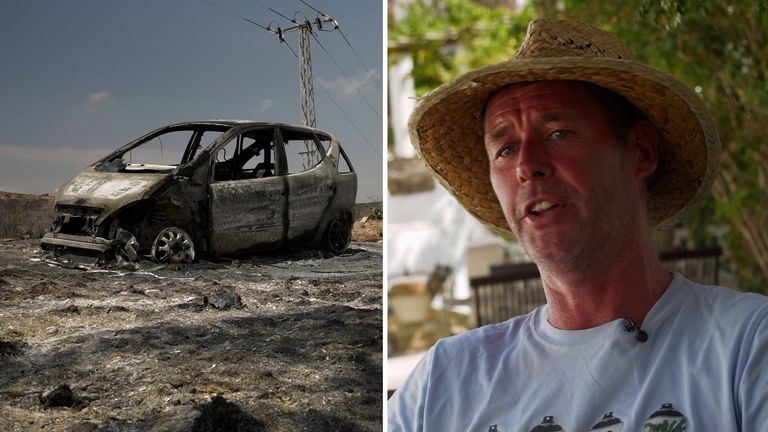
Tragedy has struck as wildfires raging across southern Spain have claimed the lives of seven British nationals, marking a grim chapter in the ongoing battle against the region’s devastating blazes. The recent confirmation of two additional British deaths brings the total foreign casualties to a heartbreaking seven, underscoring the severe impact these wildfires have had on residents and visitors alike.
Escalating Wildfires in Southern Spain
The wildfires, which erupted amid soaring temperatures and dry conditions typical of Spain’s summer months, have swept through vast areas of southern provinces, including Alicante and Murcia. These regions are popular with tourists and expatriates, including many from the United Kingdom, which partly explains the number of British casualties.
Firefighters and emergency services have been battling the infernos for days, facing difficult terrain and unfavorable weather that have hindered containment efforts. The scale and intensity of these fires are among the worst seen in recent years, fueled by climate change-driven heatwaves and prolonged droughts that have turned forests and grasslands into tinderboxes.
Impact on British Nationals and Local Communities
The loss of seven British nationals in the wildfires has sent shockwaves through both the local Spanish communities and the UK expatriate population. Many Britons live in these coastal areas, attracted by the climate and lifestyle, while others were visiting as tourists when caught in the disaster.
Emergency responders have faced the challenge of coordinating rescue operations across multiple affected areas, often with limited access due to the rapidly changing fire fronts. Authorities have issued evacuation orders for thousands of residents, while temporary shelters have been set up to provide refuge for those displaced.
The British Embassy in Spain has been actively involved in supporting affected families and coordinating with Spanish authorities to provide assistance. Their efforts include identifying British victims, offering consular help, and disseminating safety information to British citizens in the region.
Why These Wildfires Matter: Environmental and Human Consequences
The wildfires in southern Spain highlight the growing vulnerability of Mediterranean regions to extreme weather events linked to climate change. Rising temperatures and shifting precipitation patterns have increased the frequency and intensity of wildfires, threatening ecosystems, local economies, and human lives.
For Spain, whose tourism industry is a vital economic pillar, such disasters can have long-lasting effects beyond immediate destruction. The loss of natural landscapes and the disruption to daily life can deter visitors, impacting local businesses and employment.
Moreover, the human toll—especially among foreign nationals like the British victims—brings a personal dimension to the crisis. It emphasizes the urgent need for improved fire prevention strategies, emergency preparedness, and international cooperation to mitigate future disasters.
Looking Ahead: Strengthening Fire Response and Resilience
In the aftermath of these deadly wildfires, Spanish authorities are expected to review and reinforce their wildfire management policies. This includes investing in advanced firefighting technologies, enhancing early warning systems, and increasing public awareness campaigns about fire risks during critical seasons.
For residents and visitors in fire-prone areas, the tragedy serves as a stark reminder to stay vigilant, adhere to safety advisories, and have evacuation plans ready. The international community, including countries with citizens living abroad, must also consider collaborative approaches to protect their nationals during such emergencies.
The loss of seven British lives in southern Spain’s wildfires is a solemn reminder of the destructive power of nature and the urgent need to address the underlying causes of such disasters. As firefighting efforts continue and recovery begins, the focus must remain on saving lives, safeguarding communities, and building resilience for the future.