The UK government has officially declared a severe drought across several counties in southern England, marking a critical escalation in water scarcity. This declaration affects Cornwall, Devon, Dorset, Somerset, East Sussex, and West Sussex, signaling an urgent need for water conservation and heightened awareness amid persistently dry conditions.
What Led to the Severe Drought Declaration?
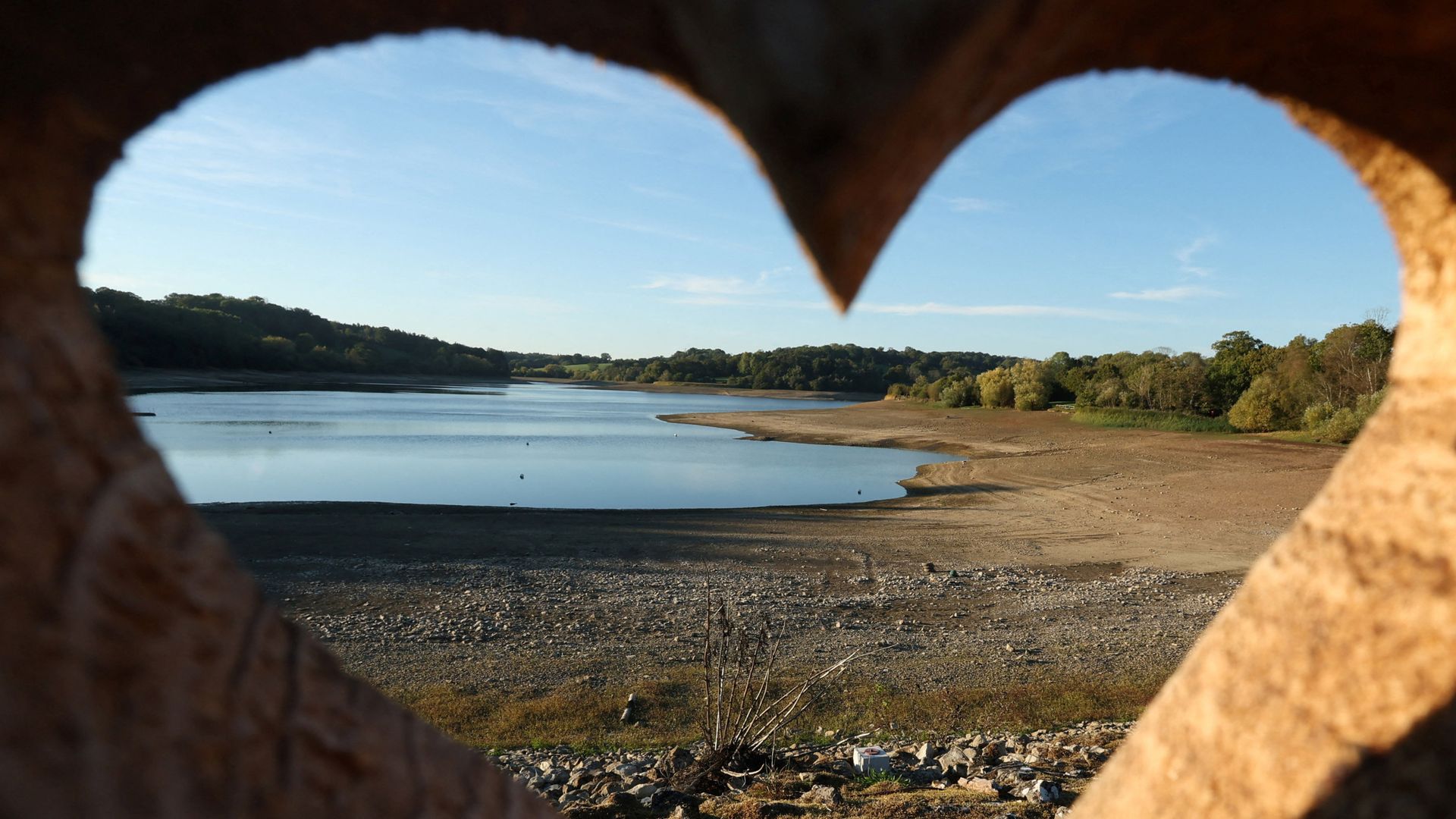
Southern England has experienced significantly below-average rainfall over recent months, causing water levels in rivers, reservoirs, and underground sources to plummet. The persistent dry weather has strained water supply systems and posed serious risks to agriculture, ecosystems, and daily life for millions of residents.
Authorities closely monitor these conditions, and the formal drought declaration follows thorough assessments of hydrological data and environmental impacts. This status is more severe than a simple drought warning, reflecting the sustained and widespread nature of water shortages across the region.
Counties Facing the Most Acute Water Shortages
Cornwall, Devon, Dorset, Somerset, East Sussex, and West Sussex have been identified as the hardest hit. These areas rely heavily on rainfall to replenish reservoirs and maintain river flows essential for farming, wildlife habitats, and human consumption.
Residents and businesses in these counties are already experiencing the effects through voluntary water use restrictions, but the severe drought declaration may lead to more stringent controls. Water companies and local councils are expected to implement targeted measures such as hosepipe bans and increased public messaging to reduce consumption.
Why This Drought Matters and What Comes Next
Severe drought conditions threaten not only daily water availability but also long-term environmental and economic stability. Reduced soil moisture impacts crop yields, while low river levels can harm fish populations and other aquatic life. Moreover, water shortages complicate firefighting efforts during the dry season, increasing wildfire risks.
The government’s declaration aims to mobilize resources and coordinate response efforts between water companies, local authorities, and communities. It also serves as a stark reminder of the growing challenges posed by climate change, which experts warn will make such extreme weather events more frequent and intense.
Residents in affected areas are urged to adopt water-saving habits immediately, such as limiting garden watering, fixing leaks, and minimizing non-essential water use. These actions are critical to alleviating pressure on water supplies until substantial rainfall returns.
Looking ahead, sustained monitoring and adaptive management will be essential. Authorities are likely to review drought status regularly and adjust measures as conditions evolve. The declaration also highlights the importance of investing in resilient infrastructure and sustainable water management to prepare for future climate variability.
As southern England grapples with this severe drought, the situation underscores the urgent need for collective action to safeguard vital water resources and protect communities from the escalating impacts of prolonged dry spells.