

The tragic train collision near Bedford has claimed the life of the driver, identified as Shaun Burton, aged 60. The devastating accident left around 100 passengers injured, marking one of the most serious rail incidents in the region in recent years.
What Happened in the Bedford Train Crash?
The crash occurred on a busy rail line close to Bedford, a historic market town in Bedfordshire, England. While detailed information about the exact cause is still under investigation, the severity of the collision was immediately apparent. Emergency services responded swiftly to the scene, working to assist the numerous injured passengers and secure the area.
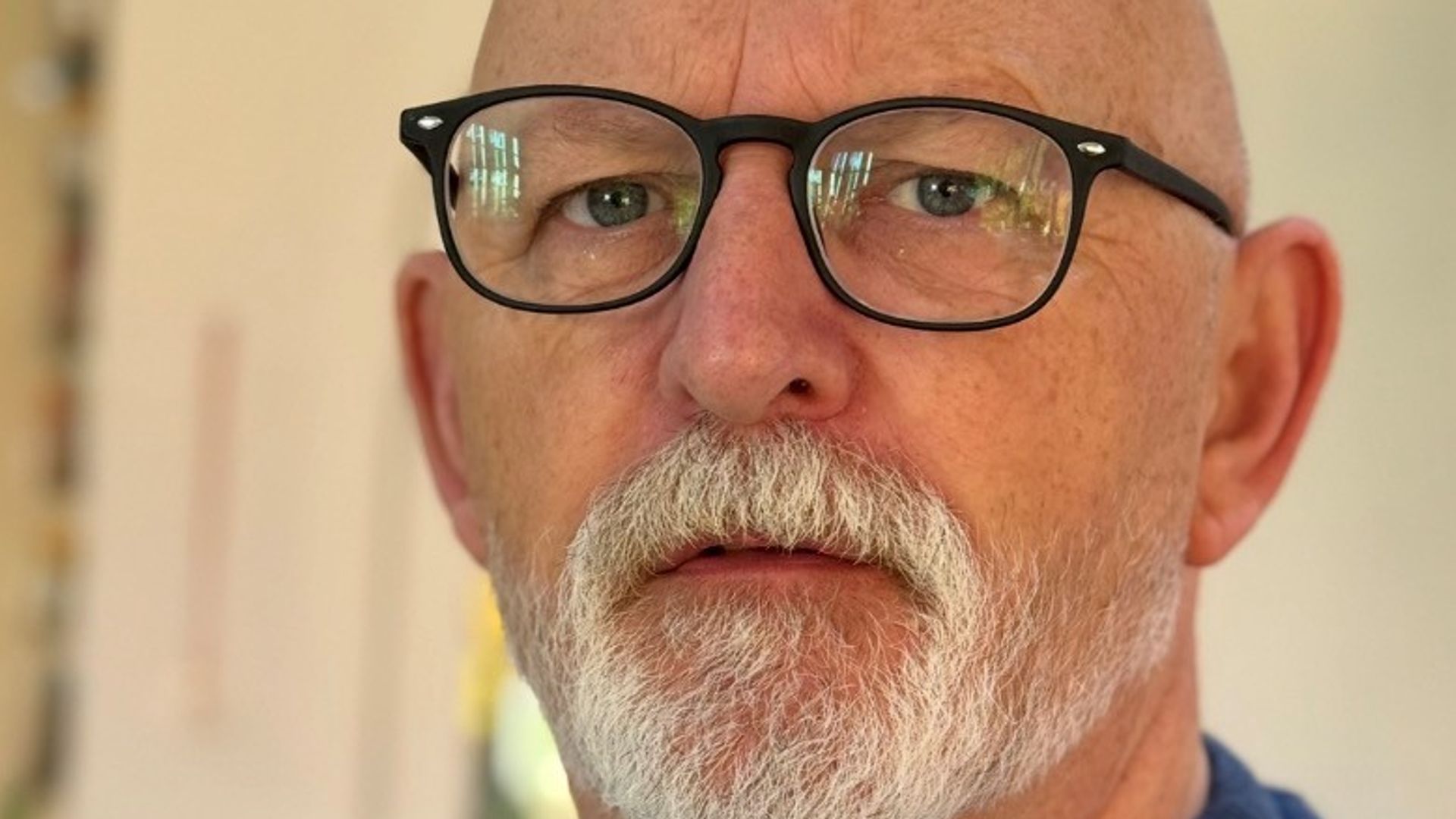
The driver, Shaun Burton, was tragically killed in the incident. He was a seasoned railway professional, respected by colleagues and known for his dedication to safe operations. The loss of Mr. Burton has deeply affected the railway community and passengers alike.
Impact on Passengers and the Community
Roughly 100 people sustained injuries ranging from minor to serious. Hospitals in Bedford and nearby towns have been treating the injured, many of whom were commuters or travelers on their way to various destinations. The scale of the injuries highlights the severity of the crash and the urgent need for comprehensive safety reviews.
The local community, still recovering from the shock, has rallied to support victims and their families. Authorities have established helplines and support centers to assist those affected by the traumatic event. Transport services in the area have been disrupted significantly, leading to delays and cancellations as investigations continue.
Why This Matters: Rail Safety and Prevention
This incident underscores the critical importance of rail safety protocols and infrastructure maintenance. Train drivers like Shaun Burton operate under demanding conditions, often navigating complex routes at high speeds. The investigation into this crash will focus on identifying any mechanical failures, human factors, or external conditions that contributed to the accident.
Understanding the causes is essential to prevent future tragedies and restore public confidence in rail travel. This crash serves as a solemn reminder of the risks faced by frontline railway workers and passengers alike.
What Comes Next?
Authorities have launched a full inquiry into the Bedford train collision. The goal is to provide clear answers and recommendations to improve rail safety standards. Meanwhile, memorials and tributes to Shaun Burton are being organized, honoring his service and sacrifice.
As investigations unfold, passengers are urged to stay informed through official channels and plan for ongoing travel disruptions. The railway industry will be closely watching this case to implement any necessary changes swiftly.
Shaun Burton’s death is a profound loss, and the injuries sustained by so many passengers highlight the urgent need for continued vigilance in rail safety. This tragedy will resonate within the Bedford community and across the UK’s transport network for years to come.