

Just days after Vickrum Digwa received a life sentence for the murder of Henry Nowak, tensions escalated sharply within the Sikh community. A Sikh priest from Digwa’s former place of worship in Southampton was violently attacked while shopping, signaling a disturbing wave of backlash that many describe as “deeply worrying.”
The Incident and Immediate Aftermath
On the heels of the court ruling sentencing Vickrum Digwa to life imprisonment for the fatal stabbing of Henry Nowak, a Sikh religious leader connected to Digwa’s former gurdwara faced an unprovoked assault. This incident happened merely three days after the sentencing, revealing the heightened tensions and prejudice that have since permeated local communities.
The Sikh priest, a respected figure in Southampton’s religious circles, was targeted while going about routine daily activities. The attack has been widely condemned as an act of hate, underscoring the precarious environment Sikh residents now face amid growing animosity linked to the murder case.
Why the Backlash Is Deeply Concerning
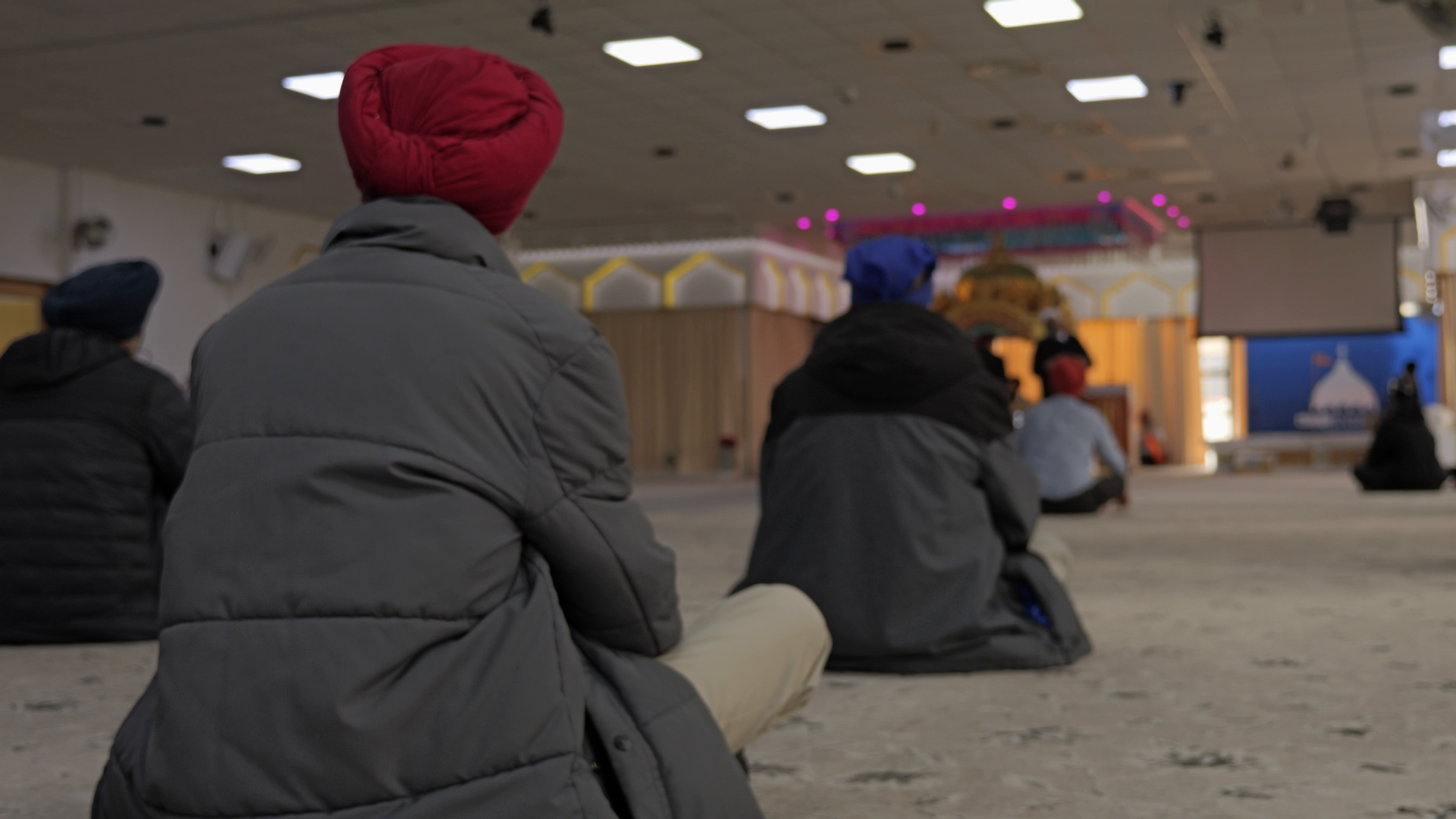
This surge in hostility towards the Sikh community highlights broader challenges of racial and religious intolerance in the UK. The incident involving the priest is not an isolated event but part of a worrying pattern of backlash that often emerges in the wake of high-profile crimes where perpetrators are identified with minority groups.
The Sikh community in Southampton, known for its vibrant cultural and religious contributions, now finds itself under intense scrutiny and unfair vilification. Community leaders emphasize that the actions of one individual should not tarnish the reputation of an entire group, especially when many Sikhs actively promote peace and cohesion.
Local authorities and community organizations have voiced concern over the rise in hate crimes and urged for stronger protective measures. Faith leaders have called for calm and unity, warning that perpetuating stereotypes only fuels division and violence.
The Broader Impact and What Comes Next
The attack on the Sikh priest serves as a stark reminder of the volatile climate minorities can face after tragic events. It also raises urgent questions about the role of media narratives and public discourse in shaping perceptions of ethnic and religious communities.
Efforts are underway to support the Sikh community through this difficult period. Police have increased patrols around places of worship and community centers to deter further acts of violence. Meanwhile, local councils and advocacy groups are organizing dialogues aimed at fostering understanding and countering misinformation.
Experts warn that without sustained intervention, such episodes of backlash risk becoming normalized, further marginalizing minority groups and undermining social harmony.
Why It Matters
The situation unfolding in Southampton is a microcosm of larger societal challenges. It highlights how quickly fear and prejudice can escalate into targeted aggression, particularly against communities already vulnerable to discrimination. This incident calls for a collective response that balances justice for victims with protecting the rights and safety of all citizens.
For the Sikh community, this moment is a call to resilience and solidarity. Community members, allies, and authorities must work together to ensure that faith, identity, and cultural heritage are respected rather than weaponized in the wake of crime.
Understanding the roots and repercussions of such backlash is critical to fostering a more inclusive and secure society. The hope remains that through education, empathy, and enforcement of hate crime laws, such deeply worrying times can be transformed into opportunities for healing and unity.
Full details on ongoing investigations and community support initiatives have not yet been released.