

Before the polls even opened on Thursday, one outcome was clear: the SNP would emerge as the largest party in Holyrood. The key questions were how large their lead would be and whether they could secure the majority needed to push their agenda unimpeded. Now, the results are in—and while the SNP remains the dominant force, the coveted majority slipped just out of reach.
The Election Results: SNP Leads But Without Majority
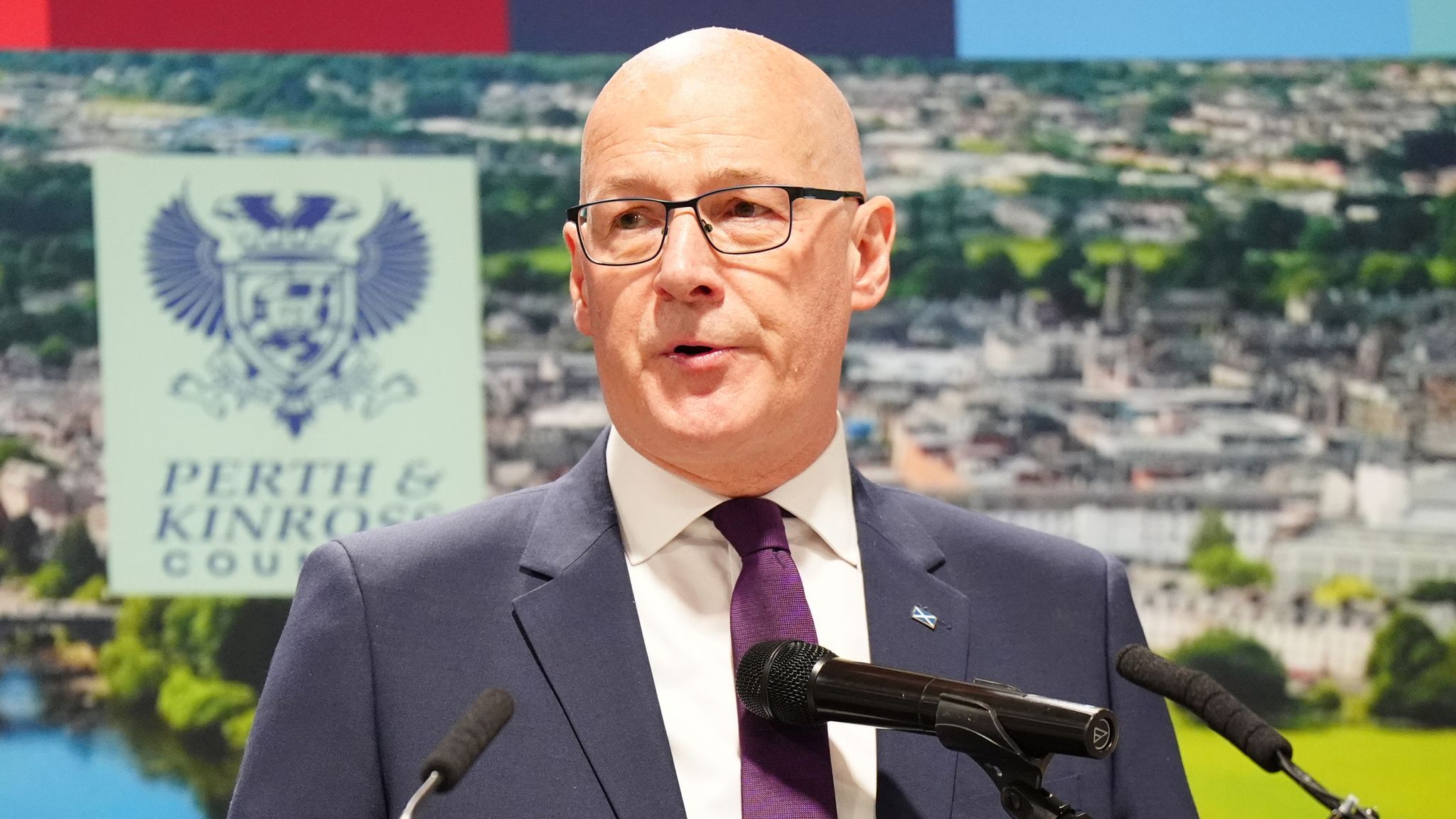
The SNP has solidified its position as the biggest party in the Scottish Parliament, but it fell short of the majority that First Minister John Swinney and party strategists hoped for. The party’s 69 pro-independence Members of the Scottish Parliament (MSPs), bolstered by a record-breaking performance from the Scottish Greens, set the stage for a complex political landscape.
The Scottish Greens, who achieved their best electoral results ever, may now act as kingmakers in Holyrood. Their increased influence means the SNP will likely need to cooperate closely with them to advance their legislative priorities, especially on independence and environmental policies.
With this composition, the SNP faces a difficult balancing act. While pressure mounts for another independence referendum, the lack of an outright majority complicates efforts to force the issue through parliament unilaterally. Observers anticipate that First Minister Swinney will pursue talks with the UK government to call a new referendum, but the absence of a clear majority weakens the SNP’s hand.
Scottish Labour’s Struggles and Leadership Questions
The election was a stark reminder of the challenges facing Scottish Labour. Once regarded as a strong contender for leadership following the surge of UK Labour in the 2024 general election, the party faced a bleak day at the polls. Traditional Labour strongholds continued to erode, signaling a troubling trend for the party’s future in Scotland.
Leader Anas Sarwar, who arrived at the Glasgow count with quiet optimism, quickly had to confront the harsh reality as the party’s performance faltered. Internal sources described the situation as “bad, very bad,” reflecting widespread concerns about Labour’s decline.
Despite the disappointing results, there was a silver lining: Sarwar, along with senior figures like Pauline McNeill and rising star Paul Sweeney, secured seats on the regional list. Their continued presence ensures experienced voices remain in parliament to guide the party’s rebuilding efforts.
Questions loom about Scottish Labour’s future direction. The party’s close alignment with UK-wide Labour under Sir Keir Starmer appears to have limited appeal among Scottish voters, who increasingly perceive little distinction between the two. Many argue that Scottish Labour must carve out a distinct identity to regain ground.
New Political Dynamics: Rise of Reform and Decline of Conservatives
One of the most striking developments was the surge of the Reform Party, which tied with Scottish Labour for second place. This marked a seismic shift in Scotland’s political landscape, demonstrating that the country is no longer immune to the populist waves reshaping politics elsewhere in the UK.
The strong showing by Reform shattered previous assumptions that Scotland would resist insurgent political movements. Their success signals a new era where traditional parties face serious competition from emerging forces.
Meanwhile, the Scottish Conservatives suffered a historic collapse, falling to their worst-ever Holyrood performance. They finished fifth, officially losing their status as the dominant right-wing party to Reform. This dramatic downturn underscores the volatility gripping Scotland’s political right.
Conversely, the Scottish Liberal Democrats quietly rebuilt their presence, nearly doubling their MSP count from 2021. Their focus on localized campaigns and day-to-day issues resonated with voters, illustrating the value of targeted grassroots strategies.
What This Means for Scotland’s Future
As Holyrood embarks on this new term, the political terrain is more fragmented than ever. The SNP remains the dominant party but will need to rely heavily on a strengthened Scottish Greens to push forward key policies, including the pursuit of independence.
The tie between Scottish Labour and Reform creates an unpredictable opposition dynamic that could complicate governance. The fractured parliament suggests that building consensus will be essential to passing legislation, while the SNP’s inability to secure a majority alone may slow efforts toward another independence referendum.
For Scottish voters and political leaders alike, these results mark a turning point. The rise of new forces challenges traditional party dominance and signals a more contested, diverse political future. How the SNP navigates these complexities and whether Scottish Labour reinvents itself will shape Scotland’s path in the coming years.
Full details on the next steps and party negotiations have not yet been released, but the pressure for renewed debate on independence is certain to intensify in the months ahead.