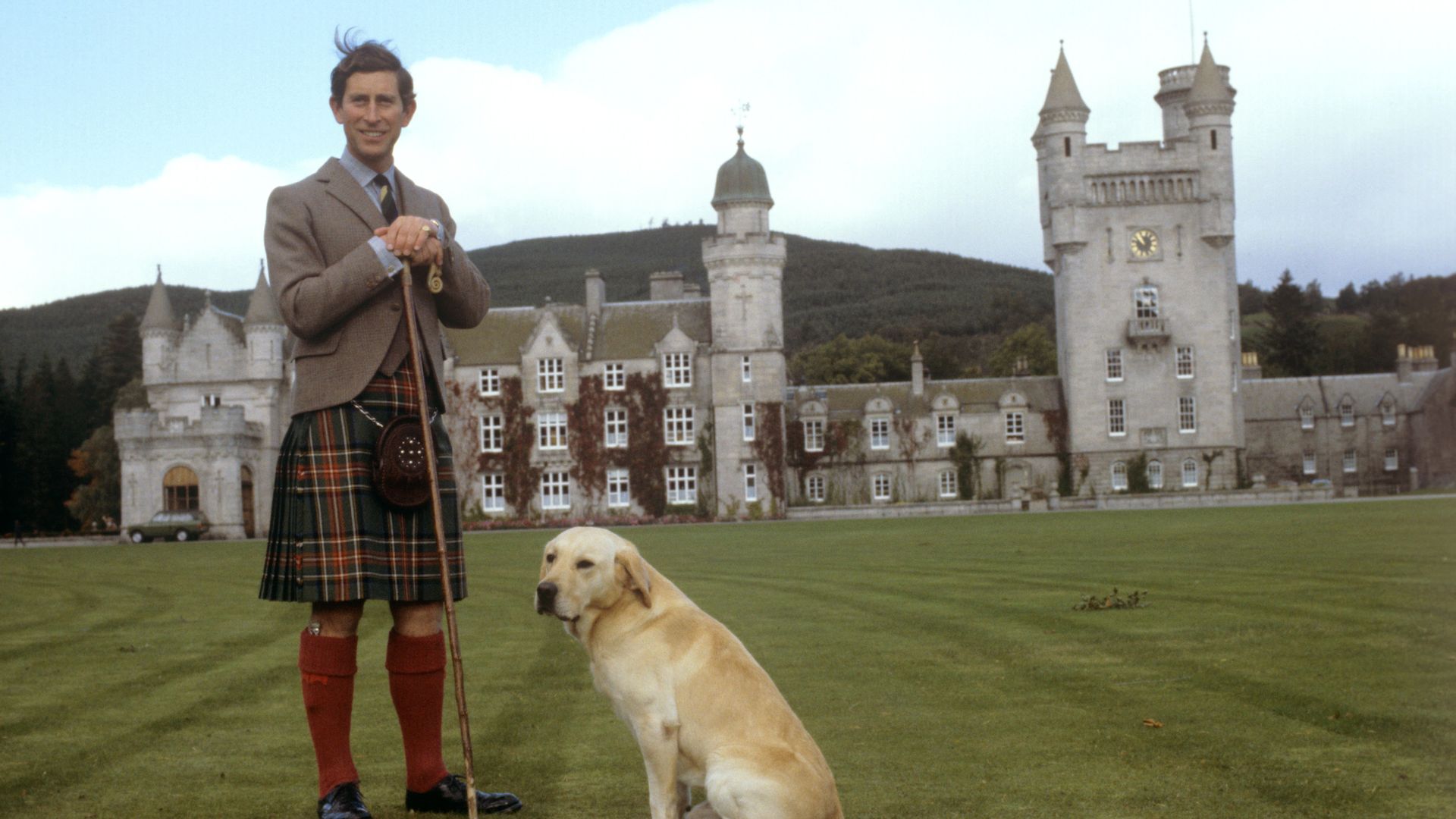
King Charles faces pressing questions from Scotland’s political sphere as an SNP Member of the Scottish Parliament (MSP) formally requests clarity on whether the monarch will comply with the recently introduced tripling of council tax on high-value properties in Scotland—including royal estates.
The Controversy Over Council Tax on Royal Properties
In a bold move, the SNP MSP has directly challenged the monarch by writing to him about the new tax legislation that imposes a 300% increase in council tax on expensive homes across Scotland. This policy targets properties valued above certain thresholds, aiming to generate additional revenue from owners of luxury residences.
Until now, royal properties have traditionally enjoyed exemptions or special considerations regarding local taxes. The SNP’s inquiry seeks to clarify if King Charles will uphold the principle of equality under Scottish tax law by paying the higher rates on his Scottish estates.
The letter underscores the growing tension between Scotland’s drive for fiscal fairness and the monarchy’s historical privileges. It also raises broader questions about transparency and accountability for royal finances within devolved jurisdictions.
Why This Matters: Tax Reform and Royal Privilege in Scotland
Scotland’s council tax system recently underwent significant reform to address disparities in how property taxes are levied. The tripling of council tax on high-value homes intends to make local taxation more progressive and to increase funding for public services.
This adjustment has sparked intense debate across the country, particularly concerning wealthy property owners who stand to pay substantially more. The inclusion—or exclusion—of royal properties in this scheme has become a symbolic litmus test for the monarchy’s engagement with modern Scottish governance.
The SNP, advocating for greater social equity and fiscal responsibility, views King Charles’ response as a critical indicator of the monarchy’s willingness to adapt to Scotland’s evolving political landscape. Paying the increased tax would signal respect for Scottish law and demonstrate a commitment to fairness.
What Comes Next: Potential Implications and Public Reaction
The monarch’s reply—or lack thereof—could have far-reaching implications. Should King Charles agree to pay the elevated council tax, it would set a precedent affirming the monarchy’s compliance with devolved Scottish policies. Conversely, refusal or silence could fuel public criticism and amplify calls for reforming royal financial privileges.
Public sentiment in Scotland increasingly favors transparency and fairness in taxation, especially concerning high-value properties. The SNP’s letter taps into this broader political momentum, potentially influencing future debates on the monarchy’s role and responsibilities within Scotland.
Moreover, this development arrives amid ongoing discussions about Scotland’s constitutional status and the relationship between the Scottish Government and the Crown. The council tax issue adds a tangible, financial dimension to these complex political conversations.
Looking Ahead: The Significance of Royal Accountability in Scotland
This episode highlights the intersection of tradition and modern governance in Scotland. As the country pursues tax reforms designed to promote equity, the monarchy faces increasing pressure to align its practices accordingly.
The SNP MSP’s direct appeal to King Charles exemplifies the scrutiny placed on royal privileges and underscores Scotland’s commitment to fair taxation. The outcome will reveal much about the monarchy’s adaptability and respect for Scotland’s devolved powers.
Ultimately, this situation serves as a pivotal moment in Scotland’s ongoing journey toward social justice and fiscal responsibility, with the monarchy’s response shaping public perceptions and political dynamics for years to come.