Solar Impulse 2’s ambitious quest to fly around the world powered solely by solar energy has encountered a significant obstacle as adverse weather conditions forced an unscheduled landing in Japan. This unexpected delay highlights the immense challenges of pioneering clean energy aviation on a global scale.
The Challenge of Crossing the Pacific Ocean
Solar Impulse 2, a revolutionary solar-powered aircraft, embarked on its journey from Abu Dhabi in March with the goal of completing the first-ever solar-powered circumnavigation of the globe. The mission aims to demonstrate the viability of renewable energy in aviation and inspire innovation in sustainable technology. Although the flight has seen several successful legs, the crossing of the Pacific Ocean was always anticipated as the most daunting segment.
Pilot Andre Borschberg was approximately 36 hours into what was expected to be a six-day nonstop flight from China to Hawaii when deteriorating weather forced him to enter a holding pattern. The mission’s meteorological team closely monitored the conditions, but the forecasts indicated that continuing posed too great a risk. As a result, the pilot had to make the tough decision to divert and land in Japan, a precautionary move to ensure safety.
This Pacific crossing is particularly perilous due to the vast expanse of ocean and the absence of any support vessels or chase planes following Solar Impulse 2. In the event of system failure over the water, the pilot would have to rely on a parachute descent and deploy a life raft, a scenario the team is prepared for but hopes to avoid at all costs.
__IMAGE_PLACEHOLDER_1__
Innovative Solar Technology Behind Solar Impulse 2
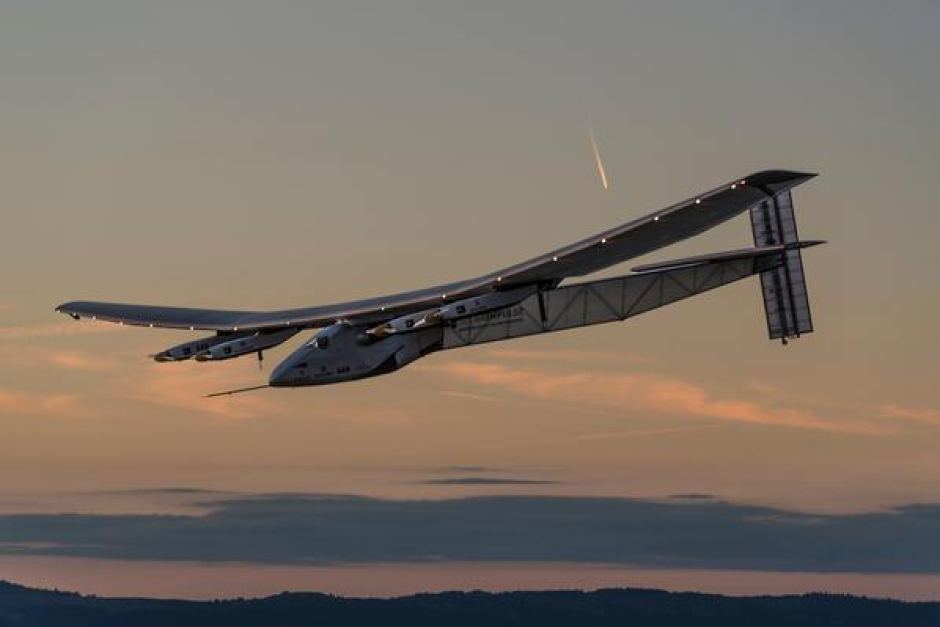
Solar Impulse 2 is a marvel of green technology. The aircraft is equipped with more than 17,000 photovoltaic solar cells embedded in its wings, which are longer than those of a Boeing 747. This extensive solar array captures sunlight during the day to power the plane’s electric motors and charge onboard batteries, allowing it to continue flying through the night.
The design and engineering behind Solar Impulse 2 represent a leap forward in clean aviation technology. Its ability to operate solely on renewable energy makes it a symbol of what is possible in the future of transportation. The project underscores the potential to reduce reliance on fossil fuels and cut carbon emissions, especially in sectors like aviation that are traditionally difficult to decarbonize.
__IMAGE_PLACEHOLDER_2__
What Happens Next: Waiting for Clear Skies
Following the unscheduled landing, both pilot and plane will remain grounded in Japan, awaiting more favorable weather conditions to resume their journey to Hawaii. The Solar Impulse team is relying heavily on detailed meteorological data to determine the safest window for departure. As stated on the Solar Impulse website, the team had initially hoped to cross a weather front near Hawaii by day five, but the current forecasts no longer support that plan.
The mission’s weather experts continue to analyze forecasts for the next four to five days, seeking a stable corridor for the plane to safely complete this critical leg. This cautious approach is essential given the high stakes involved in flying such an experimental aircraft over a vast, remote ocean.
__IMAGE_PLACEHOLDER_3__
Why This Mission Matters
The Solar Impulse 2 project transcends the realm of aviation; it is a powerful statement about the future of sustainable energy. By successfully demonstrating that a manned aircraft can circumnavigate the globe without any fuel other than sunlight, it challenges preconceived notions about the limitations of renewable power.
This initiative not only pushes technological boundaries but also raises public awareness about the urgent need to transition toward cleaner energy sources. The mission serves as an inspiration to engineers, policymakers, and environmental advocates, illustrating that ambitious, eco-friendly solutions are achievable.
Despite the current setback, the Solar Impulse team remains resolute. The unscheduled landing in Japan is a reminder of nature’s unpredictability and the cautious respect required when operating cutting-edge technology under challenging conditions. Once the weather clears, the journey will continue, bringing the mission one step closer to its historic goal.
In conclusion, the forced landing of Solar Impulse 2 in Japan underscores both the immense challenges and the groundbreaking potential of solar-powered flight. This pioneering expedition exemplifies how innovation, perseverance, and sustainability can converge to redefine the future of aviation and energy.