

South West Water (SWW) has been slapped with a record-breaking fine of £1.8 million following a serious cryptosporidium contamination incident in Brixham, Devon, which caused widespread illness among hundreds of residents. This event has spotlighted critical lapses in water safety management and raised urgent questions about infrastructure oversight in the region.
The Incident: What Happened in Brixham?
In 2023, Brixham experienced a severe outbreak of cryptosporidium—a microscopic parasite known to cause gastrointestinal illness—contaminating the local water supply. The outbreak sickened hundreds of people, overwhelming local healthcare providers and triggering a public health emergency.
Cryptosporidium is notoriously resistant to standard water treatment methods like chlorination, requiring advanced filtration and monitoring to keep water supplies safe. The contamination in Brixham revealed significant weaknesses in South West Water’s treatment processes and monitoring protocols.
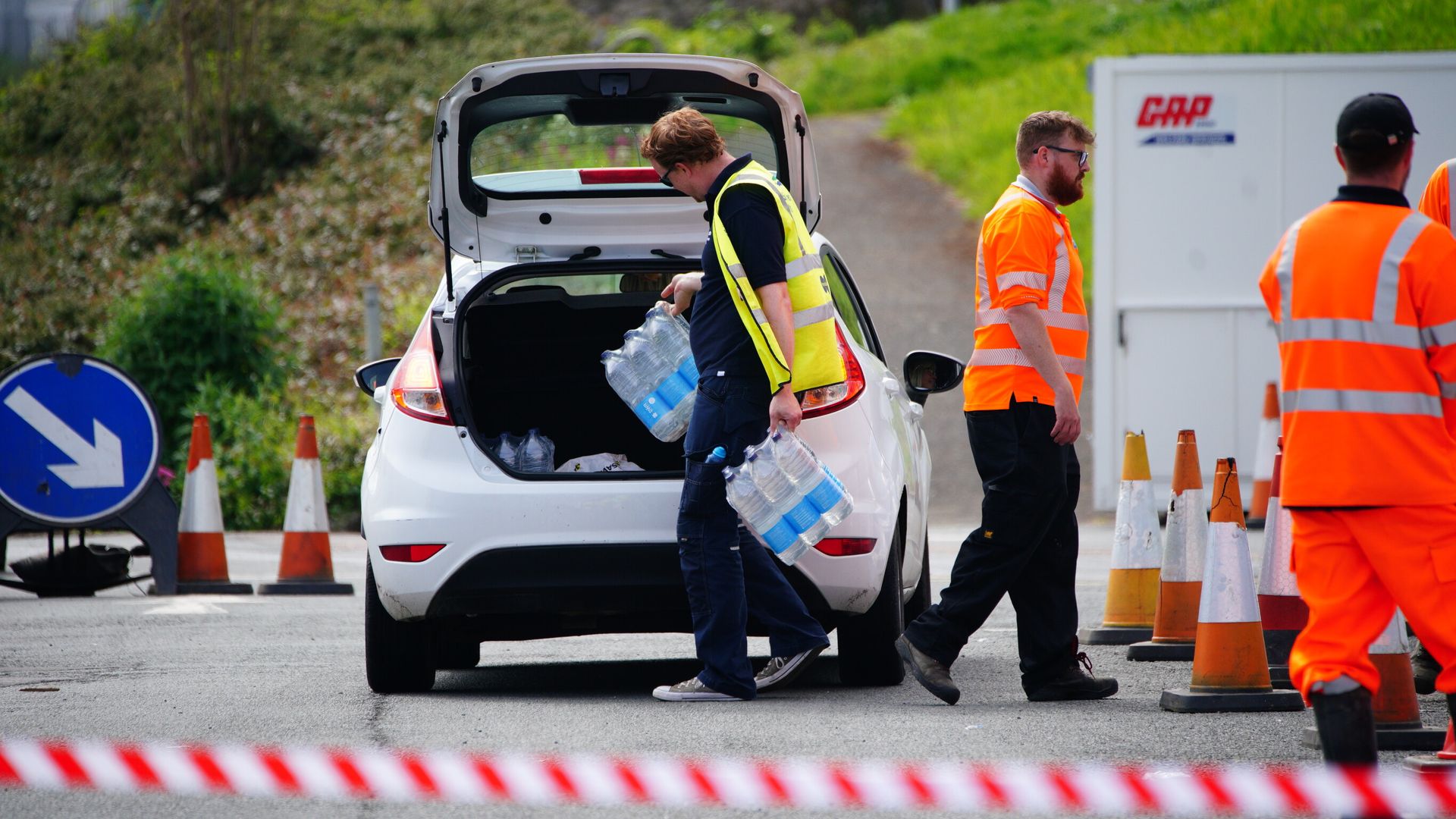
Public health officials swiftly issued boil water advisories to residents, but the damage had already been done. The incident led to numerous hospitalizations, absences from work and school, and widespread community disruption.
Why the £1.8 Million Fine Matters
The penalty imposed on South West Water marks the largest fine ever handed to a UK water company for a contamination event. Regulators emphasized that the fine reflects not only the scale of the health impact but also the company’s failure to prevent the outbreak despite known risks.
South West Water operates across Devon and Cornwall, providing drinking water to over 1.7 million customers. The company is legally obligated to ensure water safety and comply with rigorous standards set forth by the Drinking Water Inspectorate (DWI) and the Environment Agency.
Investigations uncovered that aging infrastructure, inadequate risk assessments, and insufficient real-time monitoring contributed to the failure. The £1.8 million fine serves as a stern warning to water providers nationwide about the critical importance of maintaining robust water quality safeguards.
Broader Implications and the Path Forward
This incident underscores the vulnerability of public water supplies to microbial contamination and the potentially devastating consequences when safety systems falter. Across the UK, water companies face increasing pressure to upgrade infrastructure, implement advanced filtration technologies, and enhance transparency with consumers.
For residents of Brixham, the outbreak was a stark reminder of the essential role water utilities play in safeguarding public health. The local community has demanded stronger oversight and more frequent water quality testing to prevent future crises.
South West Water has pledged to invest significantly in improving its treatment facilities and monitoring capabilities. The company also committed to enhancing communication with customers during emergencies to minimize health risks.
What This Means for Consumers and Regulators
The Brixham cryptosporidium outbreak and subsequent fine highlight several key takeaways for consumers, regulators, and water companies alike:
- Consumer vigilance: Residents must remain alert to water quality advisories and understand the importance of following public health guidance during outbreaks.
- Regulatory enforcement: Authorities are intensifying scrutiny of water providers, with harsher penalties for failures that jeopardize public health.
- Infrastructure investment: Water companies must prioritize upgrading aging equipment and implementing advanced detection technologies to prevent contamination.
These lessons aim to strengthen the resilience of water supplies across the UK and restore public confidence in essential utilities.
Looking Ahead
South West Water’s record fine signals a turning point in how water safety accountability is enforced in the UK. The company’s response and investment in infrastructure will be closely monitored by regulators and the public to ensure lasting improvements.
For communities like Brixham, the hope is that this painful episode will drive meaningful change, protecting residents from similar outbreaks in the future. Meanwhile, water companies nationwide face mounting expectations to uphold the highest standards of safety, transparency, and reliability.
As the UK continues to adapt its water infrastructure to meet growing environmental challenges and population demands, incidents like the cryptosporidium outbreak serve as critical reminders of the stakes involved in delivering safe, clean drinking water every day.