

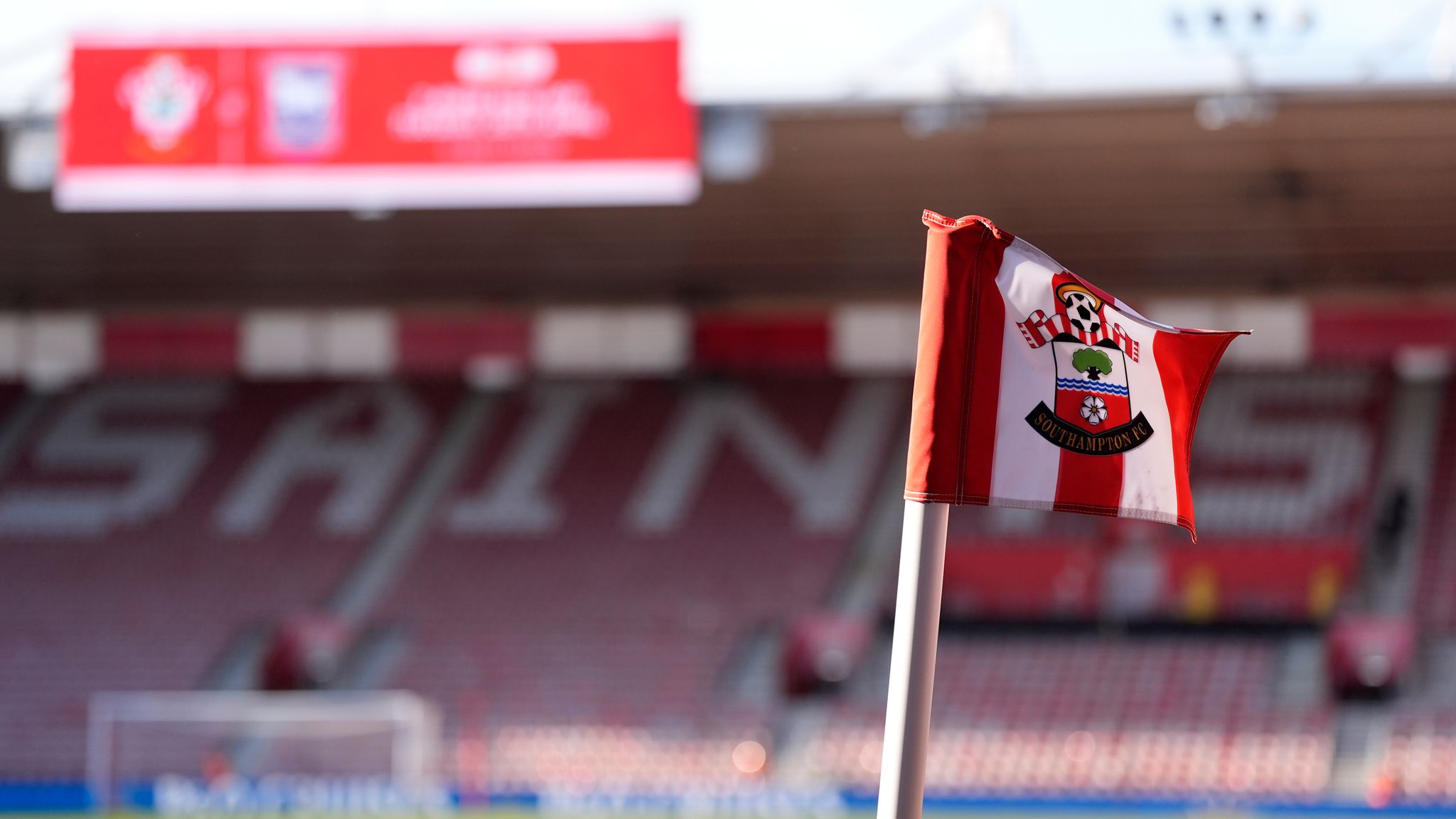
Southampton Football Club now confronts serious allegations of violating English Football League (EFL) regulations after accusations surfaced that the club conducted unauthorized surveillance on their Championship play-off rivals, Middlesbrough, during a private training session. This controversy has cast a shadow over the tense play-off semi-final encounter between the two sides.
What Happened: The Alleged Spying Incident
The EFL formally charged Southampton FC following a complaint lodged by Middlesbrough concerning unauthorized filming at Middlesbrough’s training ground. This incident allegedly occurred within 72 hours of the pivotal first-leg match of the Championship play-off semi-finals, which ended in a goalless draw at Middlesbrough’s Riverside Stadium last Saturday.
The league’s statement detailed that the allegations pertain to breaches of two specific regulations: Regulation 3.4, which mandates clubs to conduct themselves with the utmost good faith toward one another, and Regulation 127, which explicitly prohibits any club from observing or attempting to observe another club’s training session within 72 hours before a scheduled match.
In response to the complaint, the EFL has referred the matter to an Independent Disciplinary Commission and is expediting the process by shortening the response period for Southampton, aiming to hold a hearing at the earliest possible date. The league has declined to provide further comments while the investigation is ongoing.

Southampton’s Reaction and Context
A spokesperson for Southampton FC confirmed the club’s full cooperation with the EFL’s investigation but refrained from further comments due to the ongoing nature of the proceedings. Notably, Southampton’s manager, Tonda Eckert, avoided addressing the issue outright by exiting a post-match press conference immediately after the 0-0 draw.
This incident revives memories of a similar case involving Leeds United in January 2019. Leeds were fined £200,000 for sending a scout to illegally film a Derby County training session ahead of their match. Then-Leeds manager Marcelo Bielsa personally paid the fine, acknowledging the breach.
Spying scandals are not unique to English football. The NFL’s New England Patriots were embroiled in the notorious “Spygate” scandal, receiving fines and draft pick penalties for filming opponents’ signals in 2007 and for inappropriate sideline filming in 2020. These high-profile cases highlight the severity with which leagues treat breaches of fair play and confidentiality.
Reactions from the Championship and Why It Matters
The controversy has sparked strong opinions within the Championship community. Hull City manager Sergej Jakirovic, whose team recently drew with Millwall in the other play-off semi-final, dismissed the need for spying, questioning, “Why do you need to spy? We played already. I know everything about everything.”
Millwall boss Alex Neil chimed in with a wry remark, joking about catching someone hiding in a tree to film training sessions. He emphasized that while the issue does not directly affect his team, it remains a matter of principle within the sport.
These reactions underscore the intense rivalry and high stakes involved in the Championship play-offs, where gaining even the slightest edge is fiercely contested but must adhere to strict ethical standards.
What This Means for Southampton and the Championship Play-Offs
The outcome of this investigation holds significant implications. Should Southampton be found guilty, the club could face severe penalties, including fines, points deductions, or other disciplinary actions imposed by the EFL. Such sanctions might not only affect Southampton’s standing but also set a precedent reinforcing the integrity of Championship competition.
Moreover, the case highlights the importance of maintaining fair play in football, especially during crucial fixtures like the play-offs, which determine promotion to the Premier League—a financially transformative achievement for clubs.
As the EFL expedites the disciplinary process, all eyes will remain on how the investigation unfolds and what measures will ensure that sporting fairness prevails in England’s fiercely competitive second tier.
Looking Ahead
While full details of the case have yet to be released, Southampton’s cooperation with the EFL signals a willingness to address the allegations transparently. The football community eagerly awaits the Independent Disciplinary Commission’s ruling, which could influence club conduct and regulatory enforcement in future seasons.
For now, the focus remains on the ongoing play-off campaign and the pursuit of promotion. Regardless of the outcome, this incident serves as a stark reminder that ethical boundaries in football are non-negotiable and vigilantly monitored.