

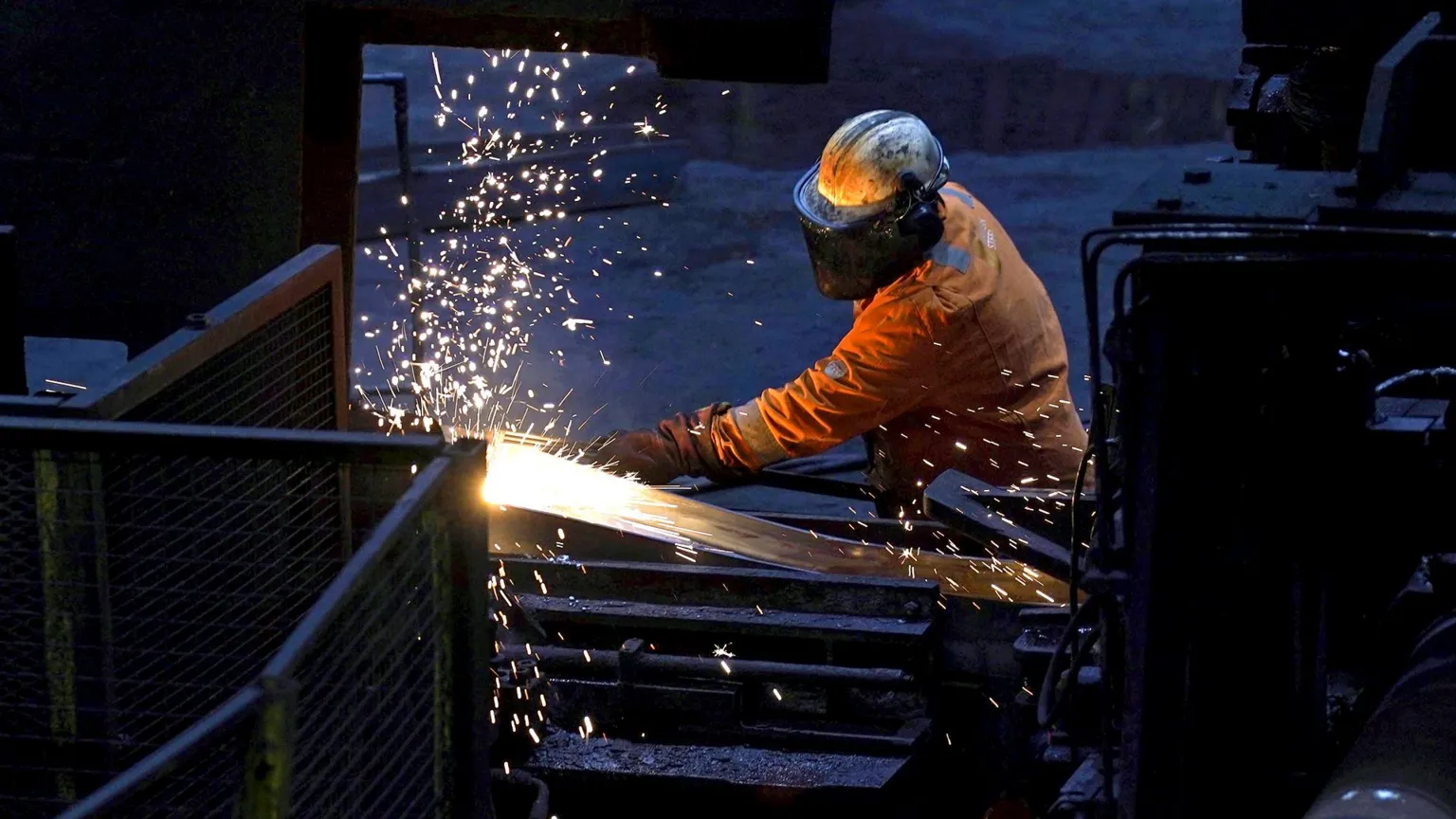
The UK government has announced plans to fully nationalise British Steel, stepping in to secure the future of the Scunthorpe steelworks after prolonged financial struggles and mounting losses. This strategic move aims to stabilise a vital industry facing severe economic challenges, while safeguarding thousands of jobs and critical steel production for national infrastructure.
Escalating Losses Prompt Government Intervention
British Steel’s owner, the Chinese firm Jingye Group, revealed that the Scunthorpe plant was losing an estimated £700,000 per day before the government first intervened last year. The government has since invested heavily to keep the company afloat, spending roughly £1 million daily to cover operations, pay workers, and purchase raw materials.
In March, the National Audit Office (NAO) detailed the extent of government financial support, disclosing that £377 million had been spent to sustain British Steel’s operations under the current supervisory regime. The report warned that if losses continue at this pace, total costs could soar past £1.5 billion by 2028, depending on future policy decisions.
Despite these staggering figures, no official estimate has been released regarding the full cost of nationalisation. The government plans to conduct an independent valuation of British Steel after passing the necessary legislation. This valuation will determine whether compensation is owed to Jingye for the takeover.
Historical Context: A Repeat of Past Nationalisation
The UK government’s move to nationalise British Steel is not unprecedented. Following the company’s collapse in 2019, the Insolvency Service took control for nine months, spending approximately £600 million to manage the crisis. This earlier intervention underscores the steelworks’ longstanding financial vulnerability and the government’s recognition of its strategic importance.
British Steel plays a crucial role in supplying steel for the UK’s railways and infrastructure projects, employing a highly skilled workforce in Scunthorpe. The industry remains a cornerstone of the nation’s manufacturing base, making its survival a priority for economic stability and national security.

Union Support and Calls for Government Action
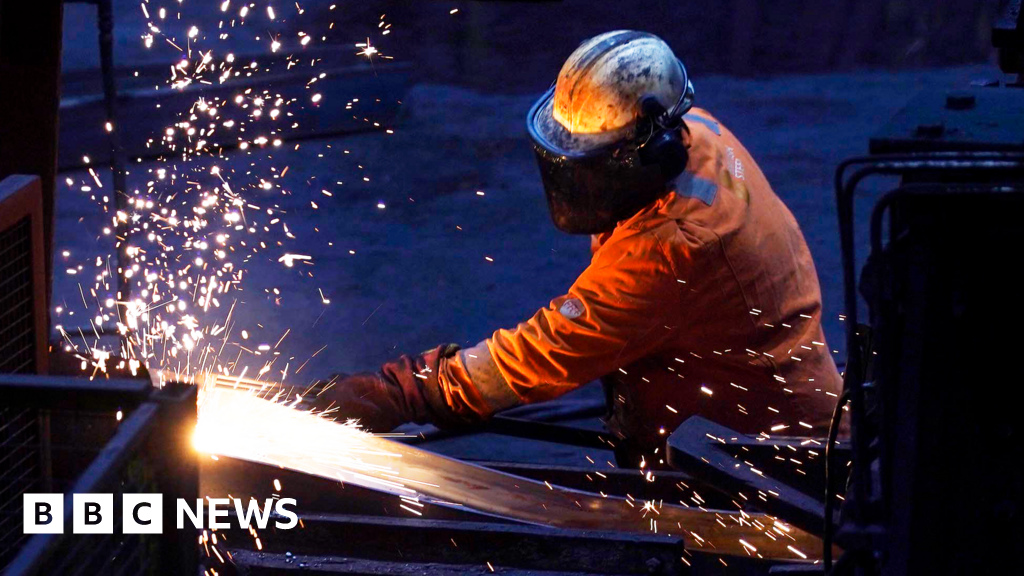
Trade unions representing the workforce have voiced strong support for the nationalisation plan. In a joint statement, Roy Rickhuss, general secretary of the Community union, and Sharon Graham, general secretary of Unite, hailed the decision as a positive step for British Steel’s future.
They emphasized the company’s potential, highlighting its “world-class, highly skilled workforce” and the strategic importance of its steel products for the UK’s infrastructure needs. The union leaders also urged the government to ensure that all publicly funded projects prioritise the use of British steel to support domestic manufacturing and jobs.
What This Means for the UK Steel Industry
Nationalising British Steel signals a significant shift in government policy towards direct intervention in critical industries. It reflects broader concerns about maintaining domestic production capabilities amid global market pressures and economic uncertainties.
The move aims to provide stability and long-term security for British Steel, preventing further financial deterioration and potential job losses. By securing the company under public ownership, the government hopes to protect an essential supply chain for infrastructure projects while fostering a resilient steel sector.
However, the substantial financial cost involved raises questions about the sustainability of ongoing support and how the government will balance fiscal responsibility with industrial strategy. The forthcoming independent valuation will be a crucial step in defining the future relationship between the state and British Steel.
Looking Ahead
As legislation progresses, British Steel’s nationalisation marks a pivotal moment for the UK’s manufacturing landscape. The government’s commitment to sustaining the steelworks underscores the company’s strategic value, not only as a major employer but also as a foundational pillar for national infrastructure.
With union backing and clear government intent, the focus now shifts to implementing policies that ensure the steel industry’s viability and its integration into the broader economic recovery. This includes prioritising homegrown steel in government-funded projects to stimulate demand and secure the sector’s future.
The full financial implications and operational plans will unfold over the coming months, but one thing remains clear: the UK government is prepared to take decisive action to preserve a vital industry at the heart of its industrial heritage and future development.