

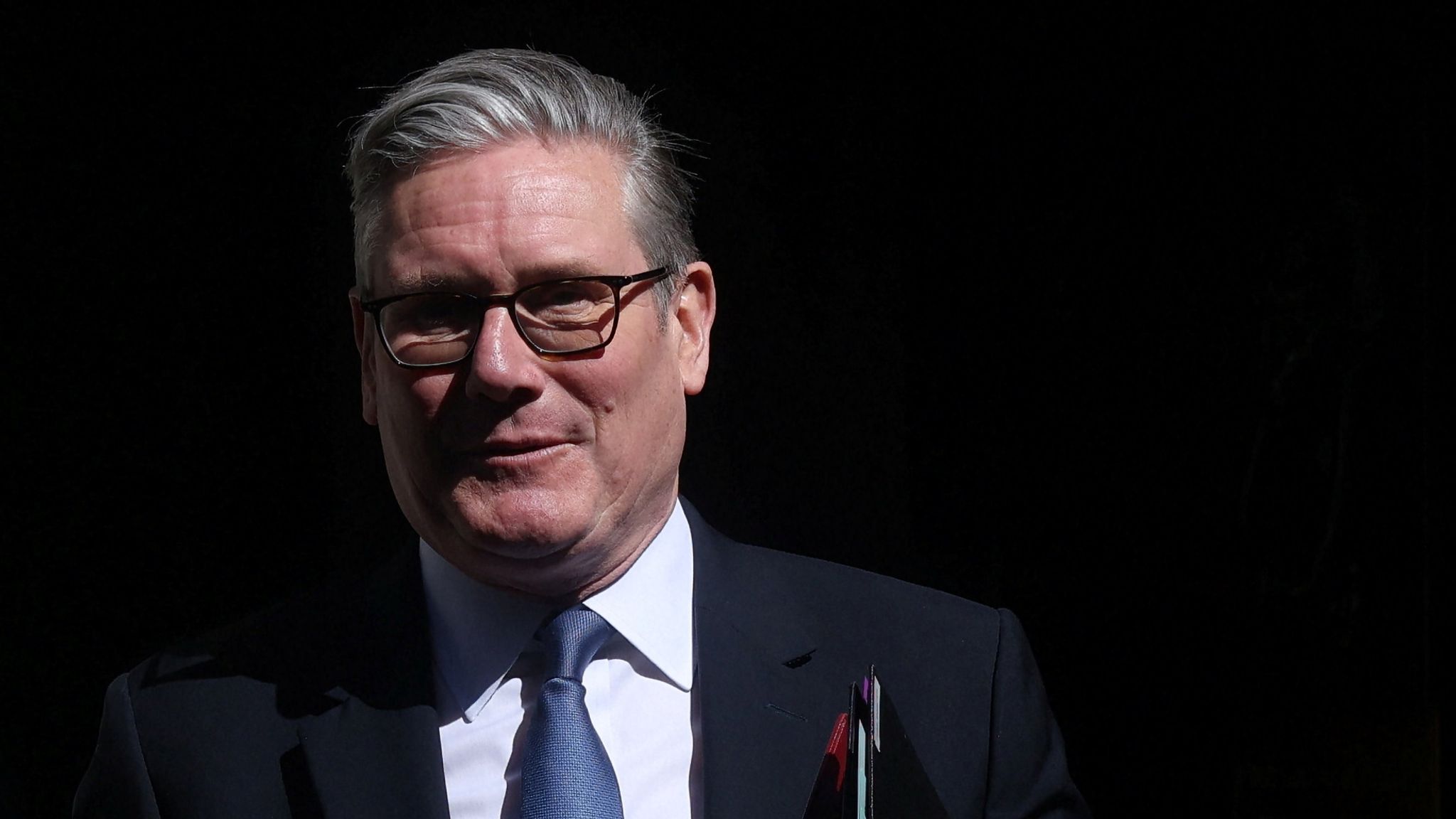
Sir Keir Starmer confronts a pivotal day in Parliament that could decisively impact his prospects of remaining Prime Minister. This high-stakes “judgement day” centers on two critical challenges: scrutiny over his role in appointing Peter Mandelson as US ambassador, and demands for an inquiry into allegations that Starmer misled MPs.
What’s at Stake: The Mandelson Appointment Under Fire
The day kicks off at 9am with testimony before the Foreign Affairs Select Committee from former senior Foreign Office official Sir Philip Barton. Barton’s evidence is expected to be damaging as he opposed Mandelson’s appointment, which Starmer insists followed “due process.”
Last week, Sir Philip’s successor, Sir Olly Robbins, revealed that the Foreign Office faced “constant pressure” from 10 Downing Street to approve Mandelson’s ambassadorial role before the formal vetting process was complete. This admission raises serious questions about whether proper checks were bypassed.
Further intensifying the controversy, Foreign Office security chief Ian Collard corroborated Robbins’ claims, citing “regular contact from No 10” that created pressure for a swift vetting outcome. Collard submitted written evidence after being blocked from attending the committee in person, stating he felt compelled to expedite the process under unusual political demands.
Second Front: Allegations of Misleading Parliament and Suspicious Events
At 11am, attention turns to Sir Keir’s former chief of staff, Morgan McSweeney, who faces questioning over reported remarks urging Sir Philip Barton to “just f***king approve it”—comments McSweeney denies. The committee will also probe the suspicious theft of McSweeney’s mobile phone last October, which contained critical records related to the controversy. Conservative MPs describe the incident as “fishy” and “beggars belief,” suggesting possible attempts to obstruct accountability.
Following this, the House of Commons will debate and vote on a motion brought forward by Conservative leader Kemi Badenoch calling for an investigation into whether Starmer deliberately misled MPs. This motion seeks to engage the powerful Privileges Committee, known for its 2022 report holding Boris Johnson accountable for misleading Parliament during the “partygate” scandal—a finding that precipitated Johnson’s resignation.

Starmer’s Response: Defiant and Resolute
Facing intense pressure, Sir Keir Starmer has rejected the calls for investigation as politically motivated. In a robust interview with Cathy Newman on Sky News, he dismissed the inquiry as a “stunt” and emphasized the transparency his administration has maintained. He also delivered a forceful speech to Labour MPs, labeling the accusations as “totally baseless” and “absolutely ridiculous.”
“This is a political stunt by our opponents who want to bring us down, obscure our message, and stop us getting on with our work,” Starmer declared. He pointed to the timing—just nine days before crucial local elections—as evidence the motion is designed to distract from Labour’s agenda.
Labour’s Chief Whip, Jonathan Reynolds, confirmed that MPs will face a three-line whip instructing them to vote against the Tory motion. Despite internal dissent within Labour ranks, most MPs recognize that triggering a leadership crisis now would hand an easy victory to the Conservatives.
What This Means for Starmer and UK Politics
Senior Labour figures, including former Prime Minister Gordon Brown, have urged party unity behind Starmer, emphasizing national stability amid global conflicts. Downing Street also shared a letter from ex-civil service chief Sir Chris Wormald, affirming that “the appropriate processes were followed” regarding Mandelson’s appointment and withdrawal.
However, Kemi Badenoch dismissed this as “rubbish,” insisting that the only relevant advice is what Starmer received before appointing Mandelson, not retrospective justifications crafted a year later.
The unfolding drama highlights the delicate balance Starmer must maintain. If the Privileges Committee investigation proceeds, it could seriously damage his credibility. Conversely, a decisive Commons vote rejecting the inquiry might strengthen his position but risks deepening political polarization.
With local elections imminent and Labour seeking to consolidate power, this judgement day will test Starmer’s leadership resilience and political acumen. His ability to navigate these twin crises could determine not only his premiership but also Labour’s trajectory in the near future.
Looking Ahead
As the Commons prepares to vote, all eyes are on Sir Keir Starmer’s strategy to withstand the combined pressure from the Mandelson appointment fallout and allegations of misleading Parliament. The outcome will send a clear signal about his grip on power and the opposition’s readiness to capitalize on any missteps.
For the wider public, this episode underscores ongoing tensions in UK politics around transparency, accountability, and the influence of political maneuvering on governance. Starmer’s judgement day is more than a personal trial—it is a test of democratic processes and leadership integrity at Westminster.