

The pressure on Sir Keir Starmer has reached a critical point. As the leader of the Labour Party, he must deliver a defining speech today—one that aims to restore calm and unity within a deeply fractured party. The stakes could not be higher, with Labour MPs increasingly vocal about their frustrations and a growing chorus demanding Starmer’s resignation.
What’s Driving the Turmoil Within Labour?
Labour’s recent electoral setbacks have left many MPs reeling. Over the weekend, local and devolved government elections delivered harsh blows, wiping out significant Labour representation in key areas. This political devastation has ignited intense emotions—anger, disappointment, and anxiety—that now permeate the party ranks.
Many MPs are grappling with the stark reality of political scorched earth in their constituencies. The losses threaten not just their immediate political futures but also Labour’s broader ambitions in regions traditionally seen as battlegrounds. These setbacks have fueled a rising tide of dissent against Starmer’s leadership.
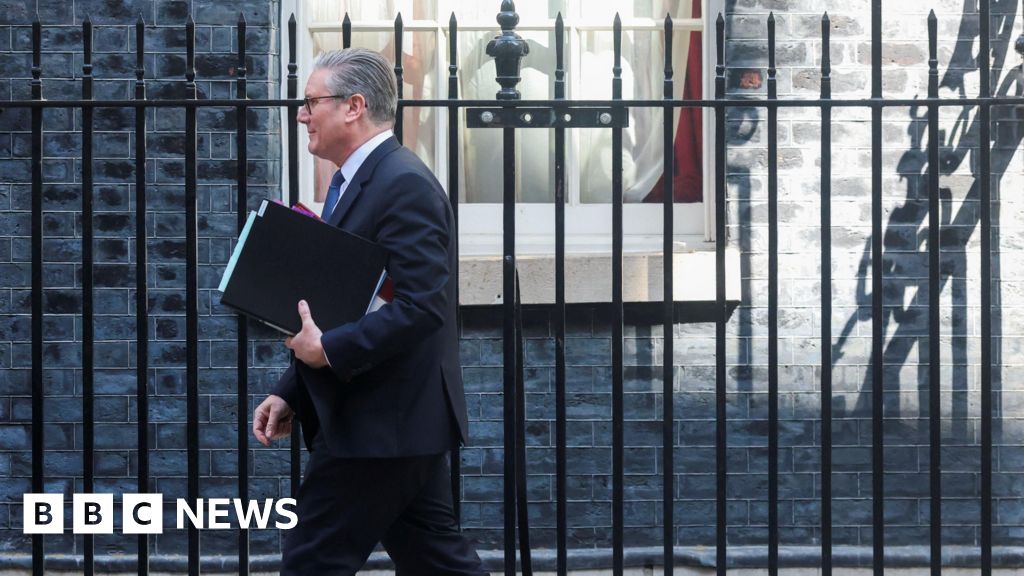
In recent days, a steady stream of Labour MPs has publicly voiced their belief that Starmer should step down. Each declaration chips away at his authority, undermining his position as party leader. While those speaking out remain a minority, the impact is significant because it signals deepening unrest within the party’s parliamentary ranks.
Why Public Calls for Starmer’s Resignation Matter
It is important to understand the gravity of MPs openly calling for their leader’s removal. Labour MPs owe much of their electoral success to Starmer’s leadership and the party brand he represents. Many won their seats in areas where Labour typically struggles, riding on the momentum created under his tenure.
For these MPs, publicly denouncing Starmer is not a decision taken lightly. It risks alienating party members and voters who still support him, and it exposes internal divisions at a time when Labour should be projecting unity to challenge the Conservative government effectively.
This undercurrent of rebellion reflects a broader crisis of confidence in Starmer’s ability to lead Labour out of its current slump. MPs demanding change are signaling that incremental adjustments are no longer sufficient—they want a fresh direction and renewed energy at the party’s helm.
What Starmer’s Speech Needs to Achieve
Given this volatile backdrop, Starmer faces a monumental task. His speech must do more than acknowledge the party’s challenges; it needs to offer a compelling vision that reassures Labour MPs, activists, and voters alike. Calming the growing unrest is essential if Labour is to rebuild momentum ahead of future elections.
The speech must strike a delicate balance: addressing the anger and frustration without alienating the very MPs who question his leadership. Starmer needs to demonstrate decisive leadership, acknowledging mistakes while outlining clear strategies for renewal and electoral success.
Crucially, Starmer must reassert his authority and remind the party of what is at stake. With the Conservative government still in power, Labour’s role as the official opposition remains vital. A fragmented Labour risks ceding ground and losing credibility among the electorate.
Why This Moment Matters for Labour and the Country
This leadership crisis is more than just an internal party issue; it has significant implications for British politics. Labour’s ability to present a united front will influence voter confidence and the party’s chances in upcoming national elections. A divided Labour risks weakening the opposition and allowing the Conservative government to govern with less scrutiny.
For Labour MPs, this moment demands difficult choices. Supporting Starmer could mean rallying behind a leader whose popularity is waning, but rejecting him risks deepening divisions and uncertainty. The coming weeks will reveal whether Starmer can regain control and unite his party or whether Labour faces prolonged internal turmoil.
In short, Sir Keir Starmer stands at a crossroads. His leadership and the party’s future depend on how effectively he responds to this critical challenge.