

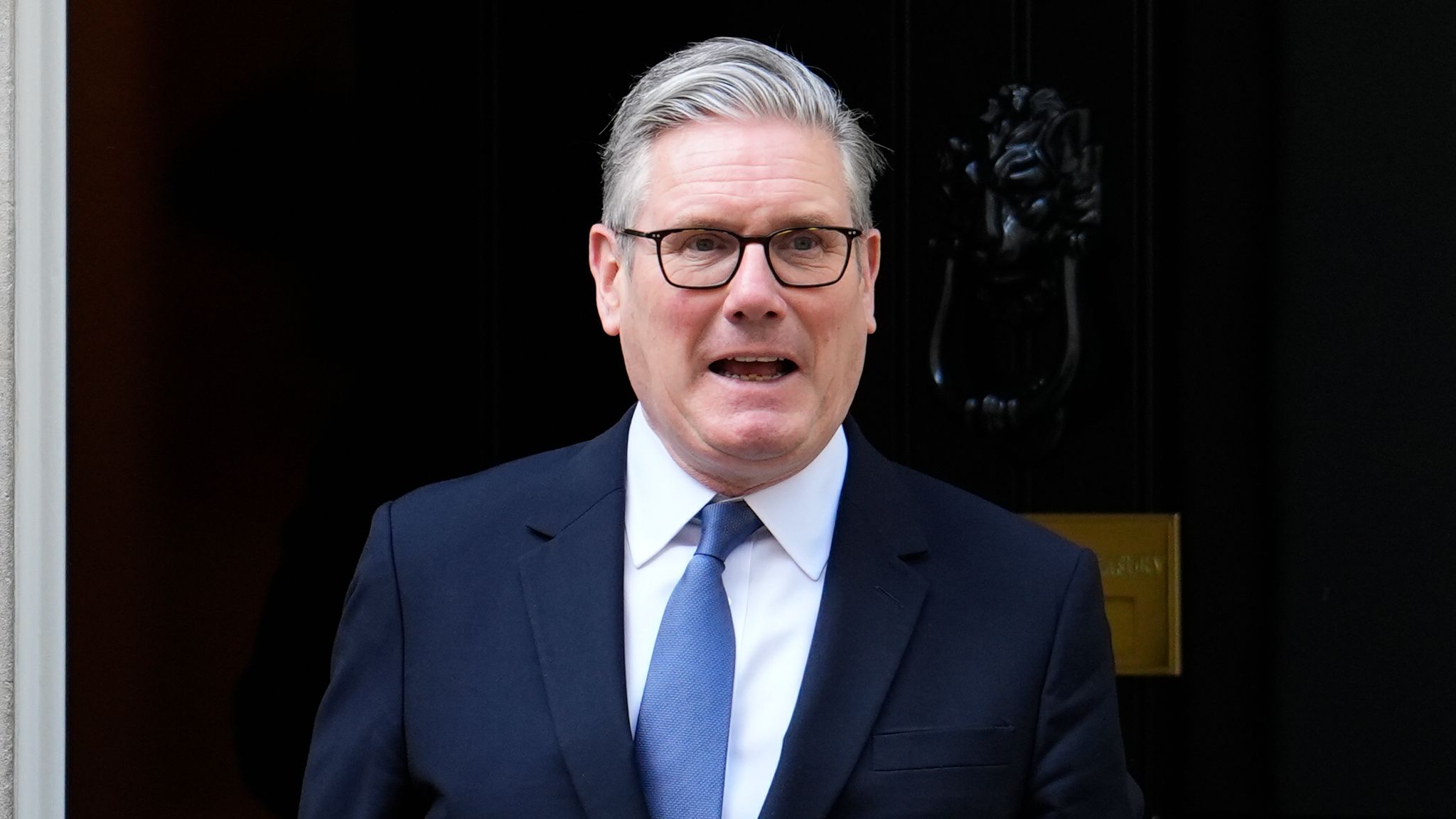
Sir Keir Starmer now stands under intense scrutiny as opposition parties demand an investigation into his statements regarding the vetting process of Lord Peter Mandelson for the role of UK ambassador to the United States. The controversy centers on conflicting claims about whether Starmer knowingly misled Parliament over his knowledge of Mandelson’s security clearance, a scandal intensified by Mandelson’s links to the disgraced financier Jeffrey Epstein.

What Sparked the Call for Investigation?
The dispute erupted after Sir Keir asserted during Prime Minister’s Questions that there was “no pressure whatsoever” on the Foreign Office to approve Mandelson’s security vetting. This statement directly contradicts testimony given by Sir Olly Robbins, the former senior civil servant responsible for vetting decisions, who revealed that there was “constant pressure” applied in the process. Robbins was subsequently dismissed for failing to inform Starmer about Mandelson’s failed security checks.
Lord Mandelson, a former Labour cabinet minister, resigned after just seven months as ambassador following revelations of his association with Epstein. While Mandelson has denied any wrongdoing and apologized to Epstein’s victims, the vetting scandal continues to cast a shadow over his appointment and the government’s oversight.
Opposition parties including the Conservatives, Liberal Democrats, and the SNP, alongside former Labour MP Karl Turner, argue that Starmer’s statements misled Parliament. The core issue lies in whether Starmer was aware of the security concerns and failed to disclose them or deliberately provided false information.
The Role of the Commons Privileges Committee
The Commons Privileges Committee is now at the center of this unfolding drama. Comprising seven cross-party MPs, the committee investigates whether a member of Parliament has breached parliamentary privilege, particularly by misleading the House.
A contempt of privilege occurs when an MP either intentionally misleads Parliament or neglects to correct an unintentional falsehood. The committee’s powers include examining evidence, calling witnesses, and ultimately recommending sanctions such as suspension or formal reprimand.
Any MP can initiate a referral by submitting a confidential letter to the Speaker of the House of Commons. In this case, Conservative leader Kemi Badenoch lodged a complaint against Sir Keir, prompting Speaker Sir Lindsay Hoyle to allow the matter to be debated and voted upon by MPs.
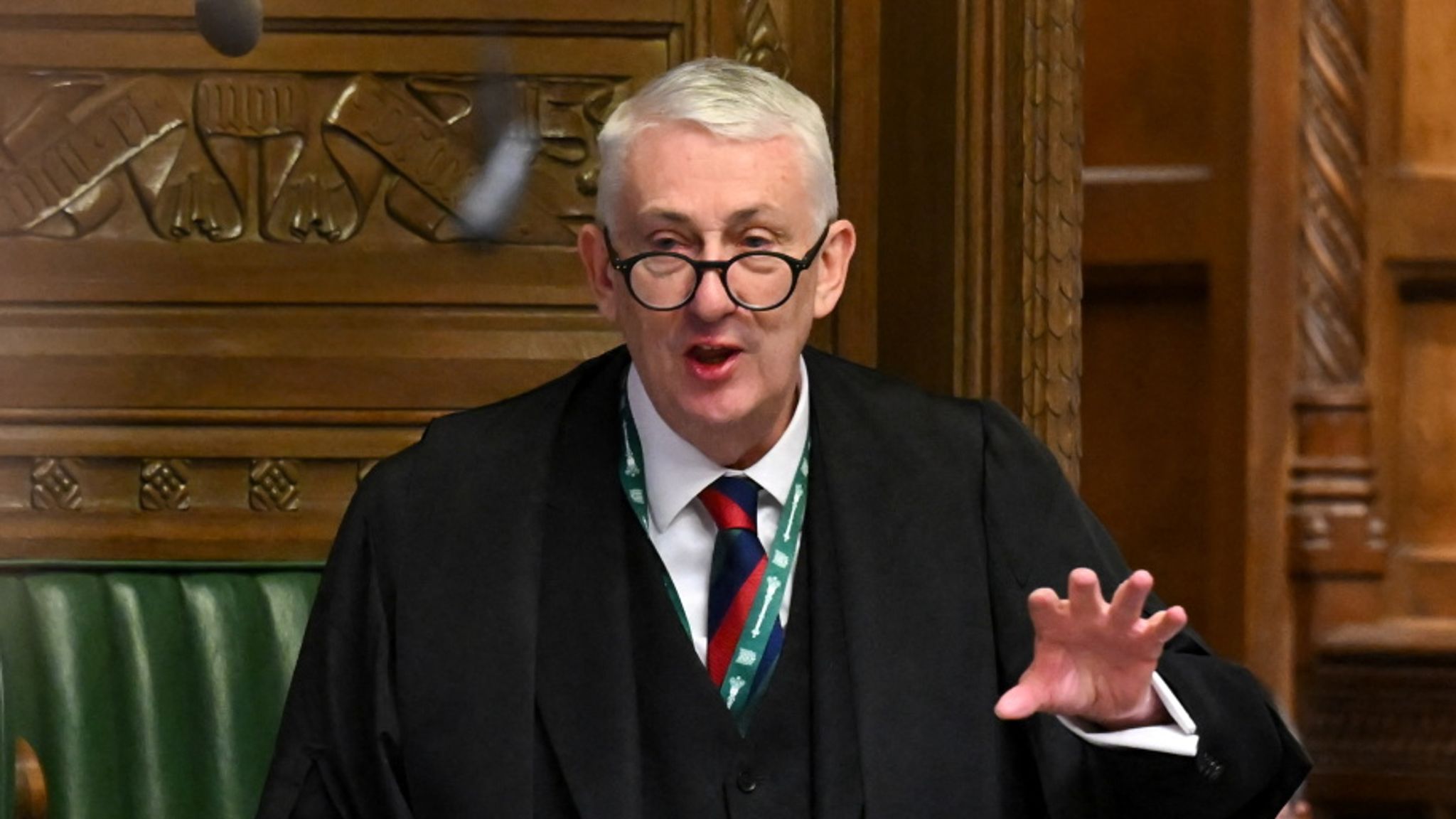
Sir Lindsay emphasized that he will not make the final decision himself but has deemed the issue serious enough to warrant parliamentary consideration. The vote scheduled for Tuesday will determine whether the Privileges Committee launches a formal investigation into Starmer’s conduct.
What Does an Investigation Entail?
Should the committee proceed, it will gather written evidence including internal documents, emails, and relevant reports. Oral testimony from key figures like Sir Olly Robbins and possibly Starmer himself would be taken. The committee will scrutinize whether misleading statements were made deliberately or through negligence.

The committee then publishes a detailed report with its conclusions and recommendations. The House of Commons votes to accept the findings and decide on any disciplinary actions.
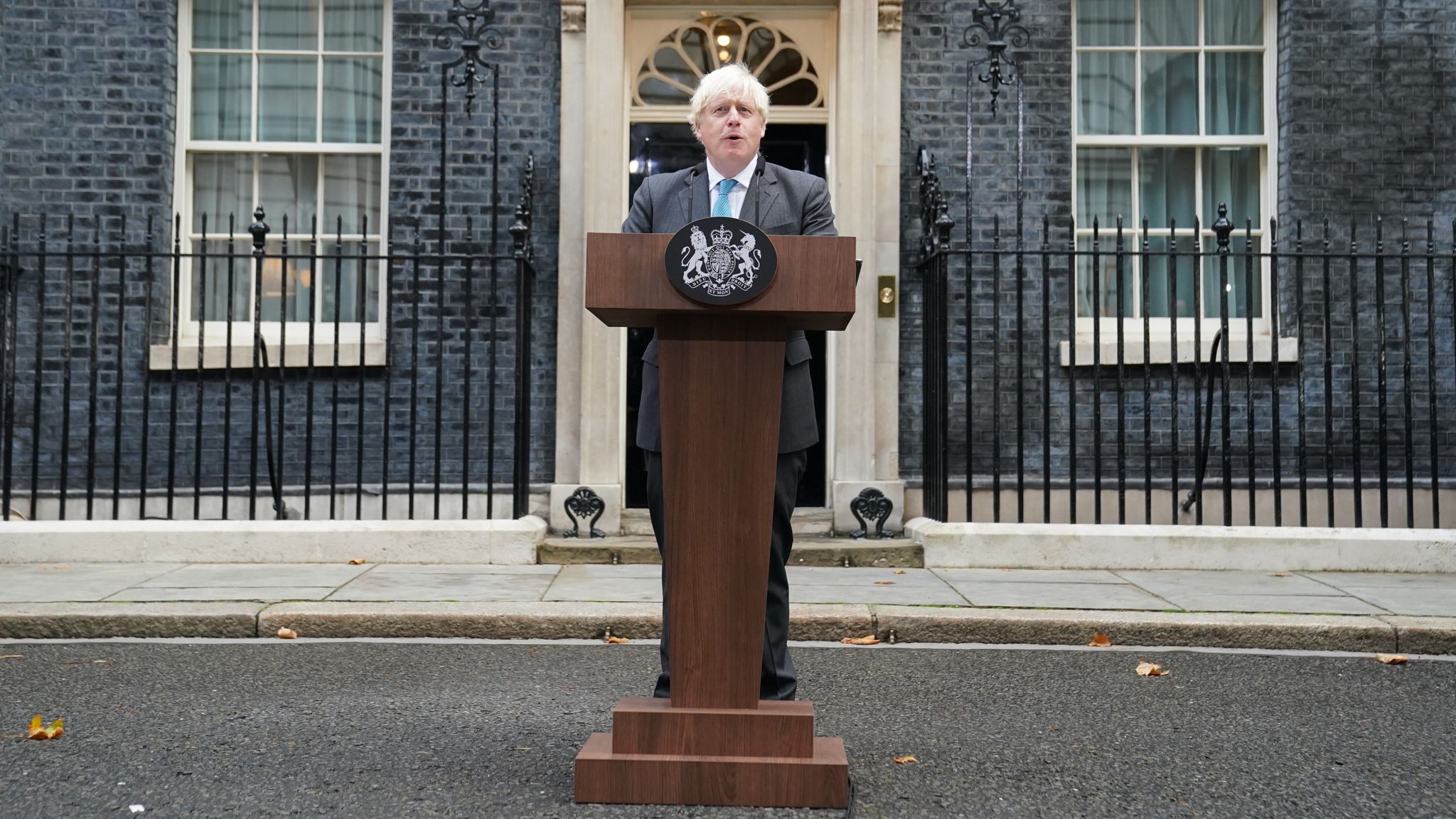
Historically, this process had profound consequences. Former Prime Minister Boris Johnson resigned after the Privileges Committee found he had deliberately misled Parliament over the “partygate” scandal, underscoring the committee’s significant power to hold leaders accountable.
Where Does the Starmer Case Stand?
The upcoming vote is critical. Labour MPs are expected to oppose the referral, potentially blocking an investigation due to the party’s parliamentary majority. However, some Labour backbenchers have expressed unease, raising the possibility of a free vote that could complicate the Prime Minister’s position.
Number 10 has dismissed the allegations as a “desperate political stunt” by the Conservatives ahead of local elections, accusing them of lacking credible alternatives on pressing issues like the NHS and cost of living. They maintain that the government has been fully transparent in multiple parliamentary inquiries related to Mandelson’s appointment.
Conversely, Kemi Badenoch argues that Starmer has “let Parliament down and, more importantly, he has let the country down,” framing the vote as a matter of conscience beyond party lines. Liberal Democrat leader Sir Ed Davey has urged Starmer to allow his MPs a free vote, warning against turning MPs into “accomplices to a cover-up.”
Interestingly, Starmer himself once championed the referral of Boris Johnson to the same committee, highlighting the political and ethical stakes involved.
Why This Investigation Matters
This controversy extends beyond a single appointment. It strikes at the heart of governmental transparency, accountability, and the integrity of parliamentary processes. The Mandelson vetting saga raises questions about how political appointees are vetted, the influence of political pressure on civil service decisions, and the honesty of leaders in Parliament.
If Starmer is found to have misled Parliament, it could severely damage his credibility and leadership at a time when Labour faces immense electoral challenges. Conversely, if the investigation clears him, it may reinforce his stance on transparency and due process.
Ultimately, the Commons vote and any subsequent investigation will test the robustness of parliamentary oversight mechanisms and the principle that no one, not even a prime minister, is above scrutiny.
Looking Ahead
The coming days will be pivotal. If MPs vote to refer Starmer to the Privileges Committee, a thorough investigation will follow, with potential ramifications for his premiership. If the motion fails, the controversy may simmer but could resurface in future political battles.
As this unfolds, the public and political observers alike will watch closely, weighing the demands for accountability against the realities of party politics. This episode serves as a reminder of the vital role parliamentary institutions play in safeguarding democracy and holding leaders to account.