

The prospect of a cabinet reshuffle following the upcoming local elections is stirring anxiety within Downing Street, sparking sharp criticism from senior Labour figures. Former deputy leader Harriet Harman has labelled the ongoing rumours as “unwise,” warning that allowing such speculation to fester publicly risks damaging ministerial morale and undermining public confidence in the government’s stability.
Why Cabinet Reshuffle Rumours Are Unsettling Ministers
As the local elections scheduled for 7 May approach, whispers of a major cabinet reshuffle have circulated widely in political circles. Senior Labour sources reveal a fractured debate within the prime minister’s inner circle regarding whether to proceed with a reshuffle after the polls. According to political editor Beth Rigby, the prime minister’s acting chief of staff, Vidhya Alakeson, alongside influential cabinet figure Darren Jones, is advising caution, urging a pause on any immediate changes. However, others such as political director Amy Richards and chief whip Johnny Reynolds advocate pushing forward with a reshuffle to refresh the government’s image.
Despite swirling rumours, Downing Street has refused to categorically deny the reshuffle talk, instead dismissing inquiries as “speculation.” This ambiguous approach has drawn sharp rebuke from Harman, who argues that such uncertainty breeds insecurity within government ranks.
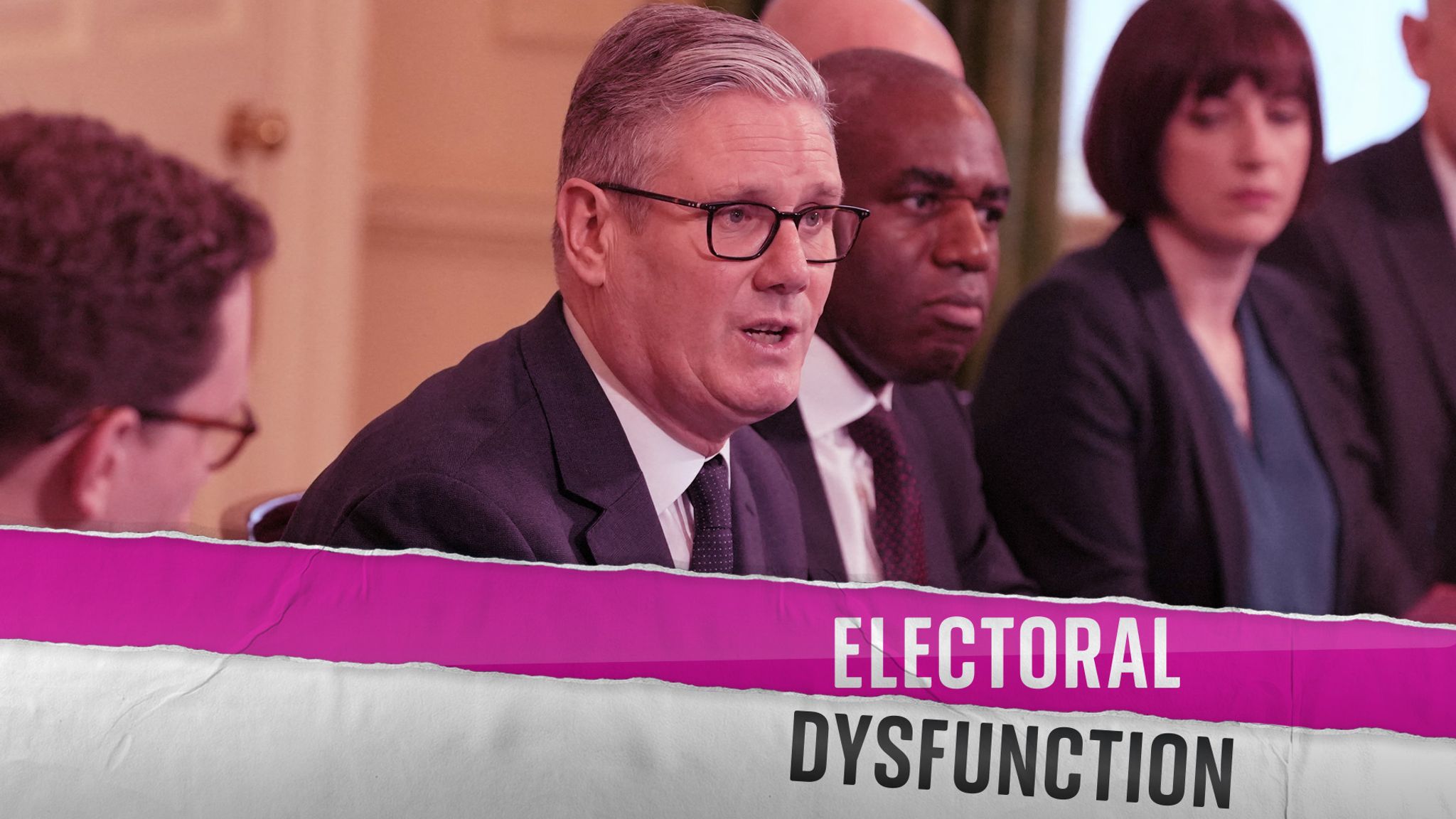
“It makes secretaries of state and ministers feel very demotivated and anxious,” Harman explained on Sky’s Electoral Dysfunction podcast. She pointed to reports that Technology Secretary Liz Kendall could be among those replaced, highlighting the practical consequences of the uncertainty. “If ministers think they might lose their roles, why should they fully commit to their responsibilities?” she said. Even their support staff might reduce efforts, anticipating imminent changes.
The Political High Stakes Behind the Reshuffle Debate
The cabinet reshuffle discussion is not just an internal matter; it reflects deeper challenges facing the prime minister. Beth Rigby described the division within Downing Street as symptomatic of a “precarious predicament.” With the government’s standing vulnerable ahead of critical local elections, any misstep risks amplifying perceptions of instability.
Harman warned that public speculation about a reshuffle creates a lose-lose scenario. If the prime minister decides against a reshuffle after the elections, he risks appearing weak and indecisive, suggesting he lacked the strength to implement changes he publicly contemplated. Conversely, proceeding with a reshuffle amid uncertainty could exacerbate anxieties and stall the government’s momentum.
Moreover, the ripple effects extend beyond ministers themselves. External organisations planning meetings or conferences with key cabinet figures may hesitate to proceed if there is doubt about who will hold the relevant posts. This paralysis can slow policymaking and disrupt government operations at a critical juncture.
Why This Matters: Morale, Perception, and Political Stability
Allowing reshuffle rumours to dominate the narrative undermines both morale within the government and public perception of leadership competence. Harman emphasised that mishandling this issue could have lasting consequences, not just for the prime minister but for the broader Labour Party’s electoral prospects.
The delicate balancing act facing the prime minister involves managing internal divisions, reassuring ministers, and projecting confidence to the electorate. A premature or poorly communicated reshuffle risks inflaming tensions and distracting from key campaign messages ahead of the local elections.
As the 7 May vote approaches, the prime minister’s next moves will be closely scrutinised. The handling of cabinet reshuffle speculation offers a window into the government’s wider strategic coherence and political resilience.
Looking Ahead
The cabinet reshuffle debate highlights the high-pressure environment in which the prime minister operates. Navigating internal divisions and external expectations requires clear communication and decisive leadership. Closing the door on speculation and restoring ministerial confidence could prove pivotal in maintaining government stability and preparing for the local elections.
In this critical moment, how Downing Street manages reshuffle rumours will send a strong signal about the government’s unity and readiness to govern effectively. The stakes are high, and the coming weeks will reveal whether the prime minister can turn this precarious position into an opportunity for renewal and strength.