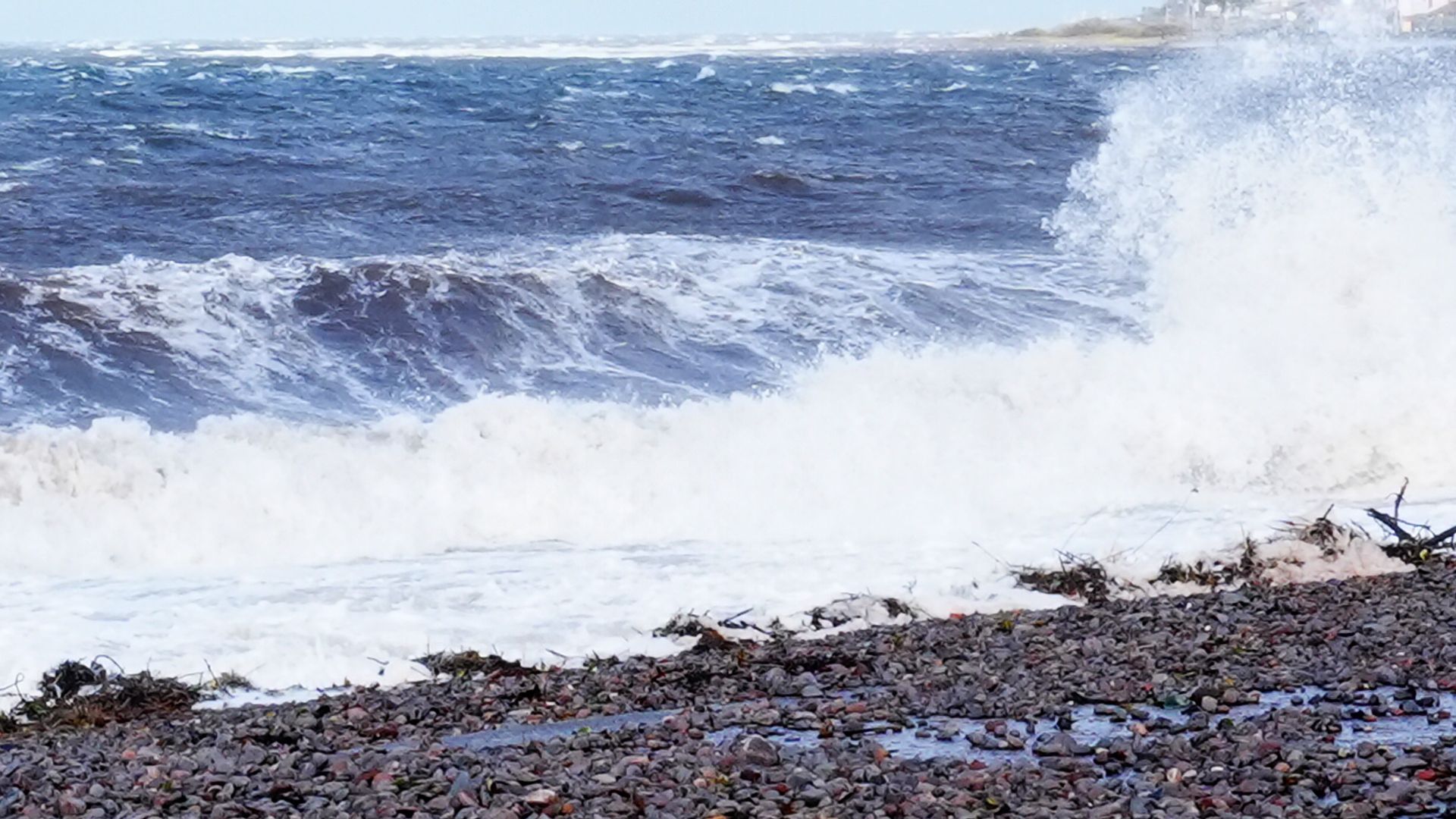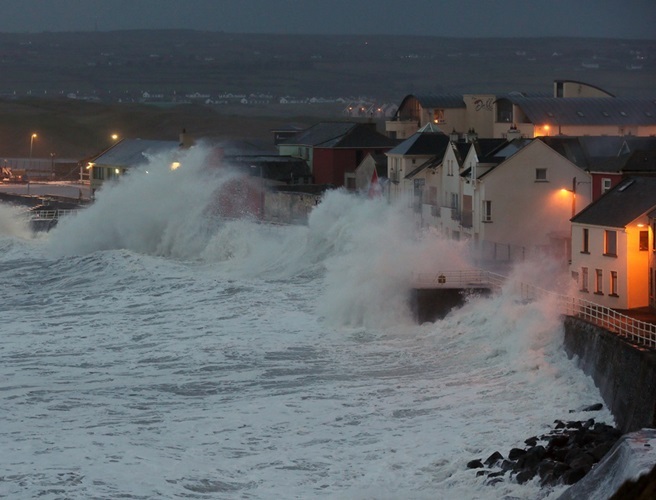
Storm Desmond unleashed unprecedented chaos across parts of the United Kingdom, forcing thousands from their homes and plunging tens of thousands into darkness as power grids failed under relentless rain and flooding. The sheer scale of the devastation captured national attention, with Cumbria and Lancashire bearing the brunt of the storm’s fury. More than 43,000 households found themselves without electricity, while flooding affected an estimated 5,200 homes, leaving entire communities grappling with the aftermath of one of the most severe weather events in recent memory.
The Unfolding Disaster: Storm Desmond’s Impact Across the UK
The storm struck with particular intensity over the weekend, targeting Northern Ireland, north Wales, southern Scotland, and especially north-west England. Cumbria emerged as the hardest-hit county, suffering record-breaking rainfall that overwhelmed existing flood defenses and prompted authorities to declare a major incident. The relentless downpour turned rivers into torrents and streets into lakes, forcing emergency services into rescue operations and evacuations on an unprecedented scale.
Tragically, Storm Desmond claimed two lives: one in Cumbria and another in the Republic of Ireland. In Cumbria, police recovered the body of a man from a river, while in Northern Ireland, a 70-year-old man from County Tyrone perished after his car became stranded on a flooded cross-border road in County Monaghan. Attempts to escape his vehicle proved fatal when he was swept away by floodwaters, underscoring the storm’s deadly reach.
Power outages compounded the disruption. Electricity North West reported that while around 1,200 customers in Cumbria had their electricity restored, over 1,450 remained without power, mostly concentrated around Carlisle. Meanwhile, in Lancashire, 42,000 properties across Lancaster, Morecambe, Heysham, and Carnforth lost electricity on Monday afternoon. Emergency generators provided temporary relief for 19,000 customers, with restoration efforts scheduled to continue into Tuesday. These interruptions severely hampered daily life and emergency response efforts alike.
__IMAGE_PLACEHOLDER_1__
Government Response and Public Outcry
The scale of destruction sparked widespread criticism of the government’s preparedness and flood defenses. Following the catastrophic floods in Cumbria in 2005, multimillion-pound flood defense systems were installed with the aim of safeguarding communities. However, these defenses proved inadequate against the exceptional volume of water unleashed by Storm Desmond, leading to renewed calls to reassess flood protection strategies.
Prime Minister David Cameron, who visited Carlisle amid the unfolding crisis, described the flooding as “absolutely horrific.” He acknowledged that the existing flood defenses were insufficient and pledged to re-examine plans to better protect Cumbria in the future. Cameron chaired a meeting of the government’s Cobra emergency response committee, emphasizing the need for urgent action to support displaced residents, including providing alternative accommodation and assisting with insurance claims.
The government announced it would fully reimburse local councils for the costs incurred in responding to the flooding. Cameron also stressed the importance of reviewing flood defense spending and strategies in the aftermath of the disaster, posing a critical question: “Is it enough?” This reflection highlights the broader challenge facing the UK as it confronts the increasing frequency and intensity of extreme weather events linked to climate change.
__IMAGE_PLACEHOLDER_2__
Widespread Disruptions and Recovery Efforts
The storm’s impact extended far beyond immediate flooding and power loss. Over 150 severe flood warnings, which indicate a danger to life, remained in force primarily across northern England. Schools in Cumbria faced closures, with around 40 institutions shuttered temporarily. Higher education also suffered: Lancaster University canceled teaching for the remainder of the term due to a power outage affecting much of its campus.
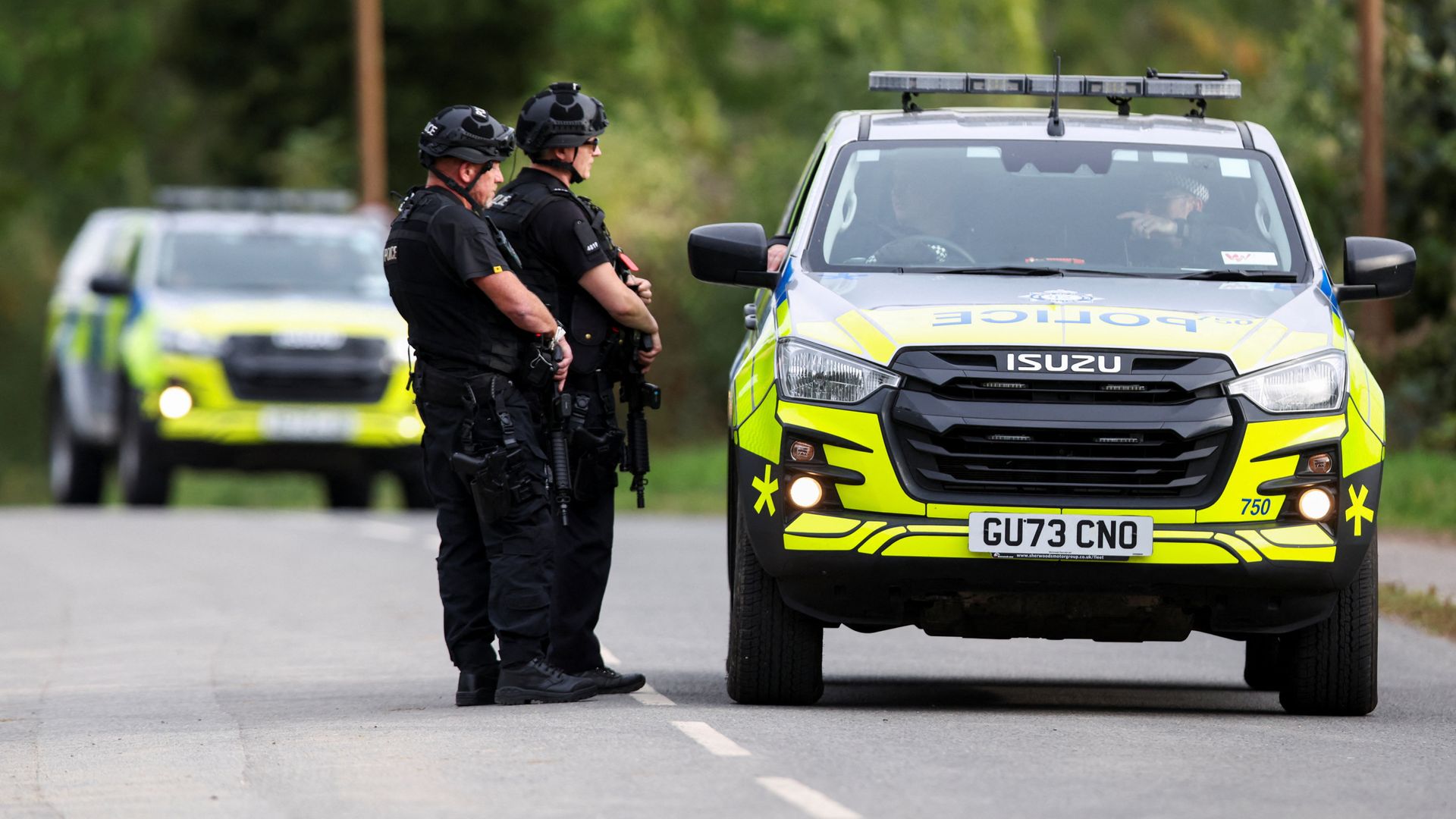
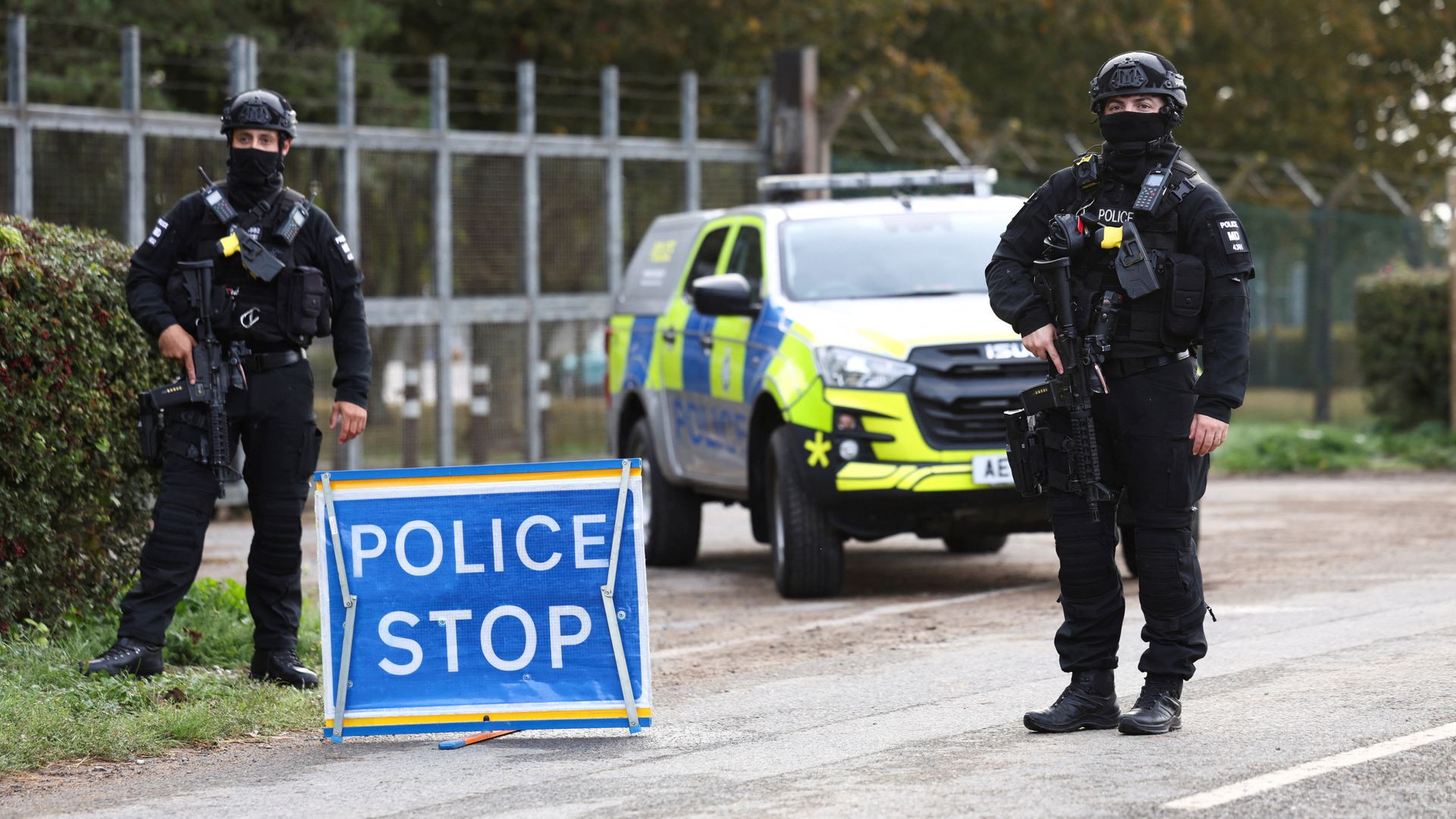
Emergency services and local authorities opened five rescue centers across Cumbria to shelter those displaced. Police maintained round-the-clock, high-visibility patrols to monitor flooded properties and assist vulnerable residents. Healthcare services also adapted to the crisis: the Cumbria Partnership NHS Foundation Trust limited operations to essential services only, while Cumberland Infirmary in Carlisle relied on back-up generators to maintain critical functions.
Transportation networks experienced significant disruption. Flooding forced the closure of key roads in Scotland, where over 20 flood warnings and alerts remained active. Rail services between England and Scotland via Preston were suspended, further complicating recovery efforts and daily commutes. In Northern Ireland, large-scale clean-up operations commenced in counties Tyrone and Fermanagh, where communities faced the daunting task of rebuilding in the storm’s wake.
Insurance companies mobilized swiftly, with the Association of British Insurers coordinating a “small army” of claims managers to support affected policyholders. This rapid response aimed to alleviate the financial burdens faced by those who suffered property damage and losses.
__IMAGE_PLACEHOLDER_3__
Why Storm Desmond Matters: A Wake-Up Call for Resilience
Storm Desmond has laid bare the vulnerabilities in the UK’s flood defenses and emergency preparedness. It serves as a stark reminder of the growing challenges posed by increasingly volatile weather patterns. The failures of existing infrastructure, despite substantial investments, underline the urgent need for innovative, adaptive approaches to flood risk management.
The human toll, both in lives lost and communities displaced, reinforces the importance of robust, coordinated responses that prioritize safety and swift recovery. This event also highlights the critical role of government leadership, community resilience, and infrastructure modernization in mitigating future disasters.
As the UK confronts the realities of climate change, policymakers, emergency services, and citizens alike must reckon with the question Prime Minister Cameron posed: are current measures sufficient? Storm Desmond’s legacy may well be the impetus for transformative action to safeguard vulnerable regions and protect lives from the increasingly severe storms of tomorrow.
In the immediate term, the focus remains on recovery and rebuilding. Long-term, this disaster underscores a vital imperative: to anticipate, prepare for, and adapt to the evolving threats posed by nature, ensuring that communities across the UK are no longer left vulnerable when the next storm arrives.