

After months of industrial action that disrupted healthcare services across England, resident doctors have voted to accept a new pay agreement, bringing an end to their prolonged strike. This resolution marks a significant milestone in addressing the grievances of junior doctors, whose work is critical to the functioning of the National Health Service (NHS).
Background: The Roots of the Strike
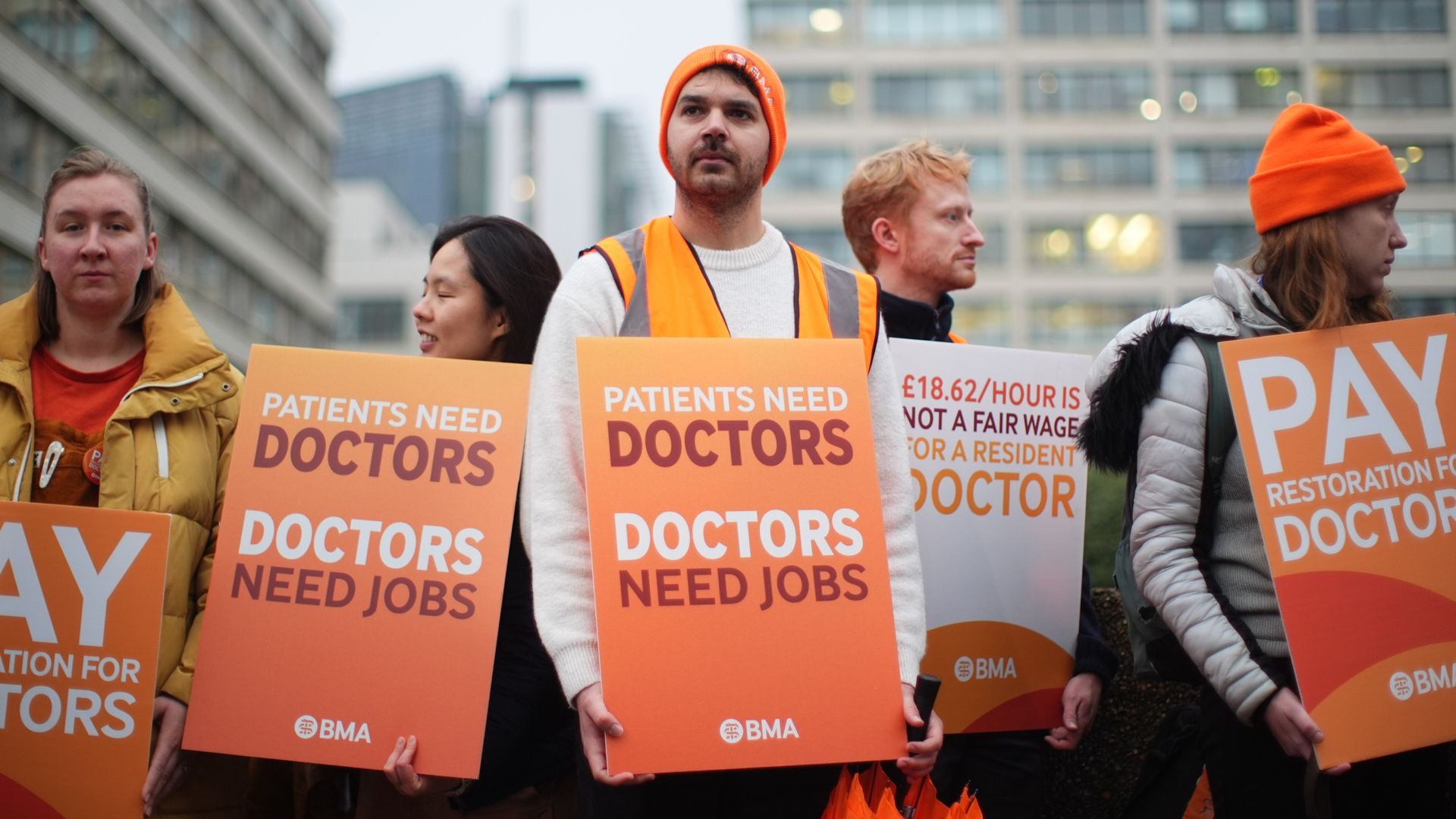
The strike by resident doctors in England stemmed from long-standing concerns about pay, working conditions, and staffing levels within the NHS. Junior doctors, who undertake demanding shifts and manage a substantial patient load, argued that their compensation had not kept pace with inflation or the increasing pressures of their roles.
These doctors, often working unsociable hours and bearing responsibility for acute patient care, felt undervalued despite their essential contribution. The industrial action, which unfolded over several months, included multiple walkouts that significantly impacted hospital operations and patient services.
What the Pay Deal Entails
The newly accepted pay deal, though details remain to be fully disclosed, promises improved remuneration for resident doctors. The agreement addresses key demands including adjustments to base salary and recognition of the intensity and irregularity of their work schedules.
Union representatives and NHS negotiators came together to hammer out this agreement after intense discussions. The deal is seen as a compromise designed to balance the financial constraints faced by the NHS with the need to fairly compensate junior doctors.
While the precise figures and terms have not been publicly detailed yet, the acceptance by the majority of resident doctors indicates that the offer met their core requirements sufficiently to end industrial action.
Why This Matters and What Comes Next
The resolution of this strike is crucial not only for the resident doctors but for the entire healthcare system in England. Strikes by medical staff place immense strain on hospitals, delay elective procedures, and can affect patient outcomes. Ending the strike allows the NHS to restore normal service levels and focus on patient care without the disruption caused by staffing shortages.
For resident doctors, this pay deal represents recognition of their essential role and sets a precedent for future negotiations on working conditions and compensation. It also underscores the importance of dialogue and negotiation in resolving labor disputes in critical public services.
Moving forward, stakeholders will need to monitor the implementation of the deal closely to ensure that promised improvements materialize and that the NHS continues to support its junior doctors adequately. This agreement could pave the way for more sustainable workforce policies aimed at retaining skilled medical professionals and improving healthcare delivery.
Looking Ahead
The end of the resident doctors’ strike signals a hopeful turning point in the ongoing challenges facing the NHS workforce. While this pay deal addresses immediate concerns, the broader issues of healthcare funding, staffing shortages, and working conditions remain pressing. Continued attention and investment will be essential to prevent future disruptions and to maintain high-quality care for patients across England.
As the NHS resumes normal operations, the experience highlights the critical need for fair compensation and supportive working environments for frontline medical staff. The resolution of this dispute offers valuable lessons in balancing fiscal responsibility with workforce wellbeing in one of the world’s most vital public services.