A devastating suicide bombing combined with a coordinated gun assault has claimed the lives of 14 police officers in northwest Pakistan, marking one of the deadliest attacks on security forces in recent months. The assault unfolded on Saturday in the district of Bannu, situated in the volatile Khyber Pakhtunkhwa province near the Afghan border.
The Attack: A Coordinated Assault on Law Enforcement
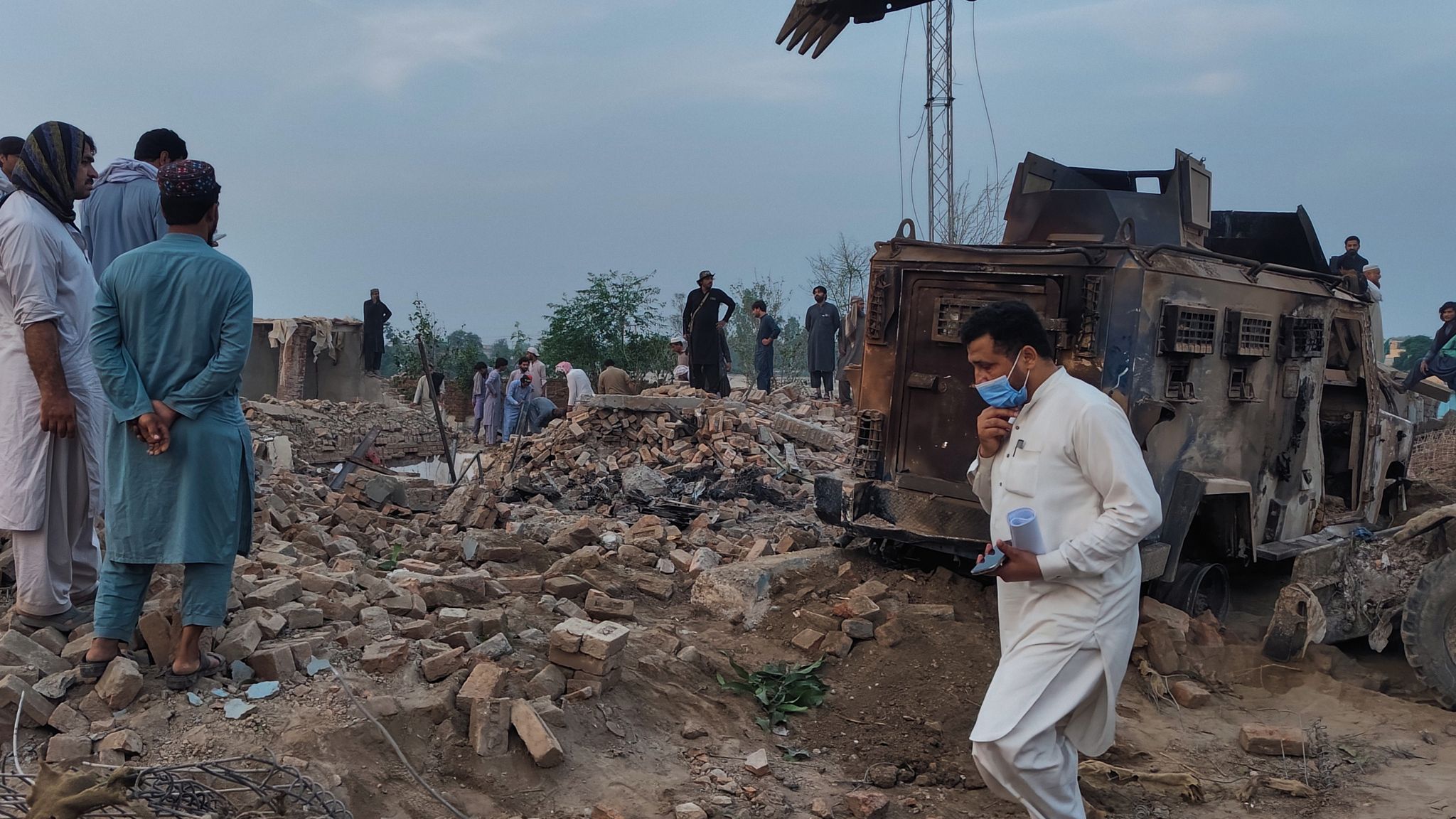
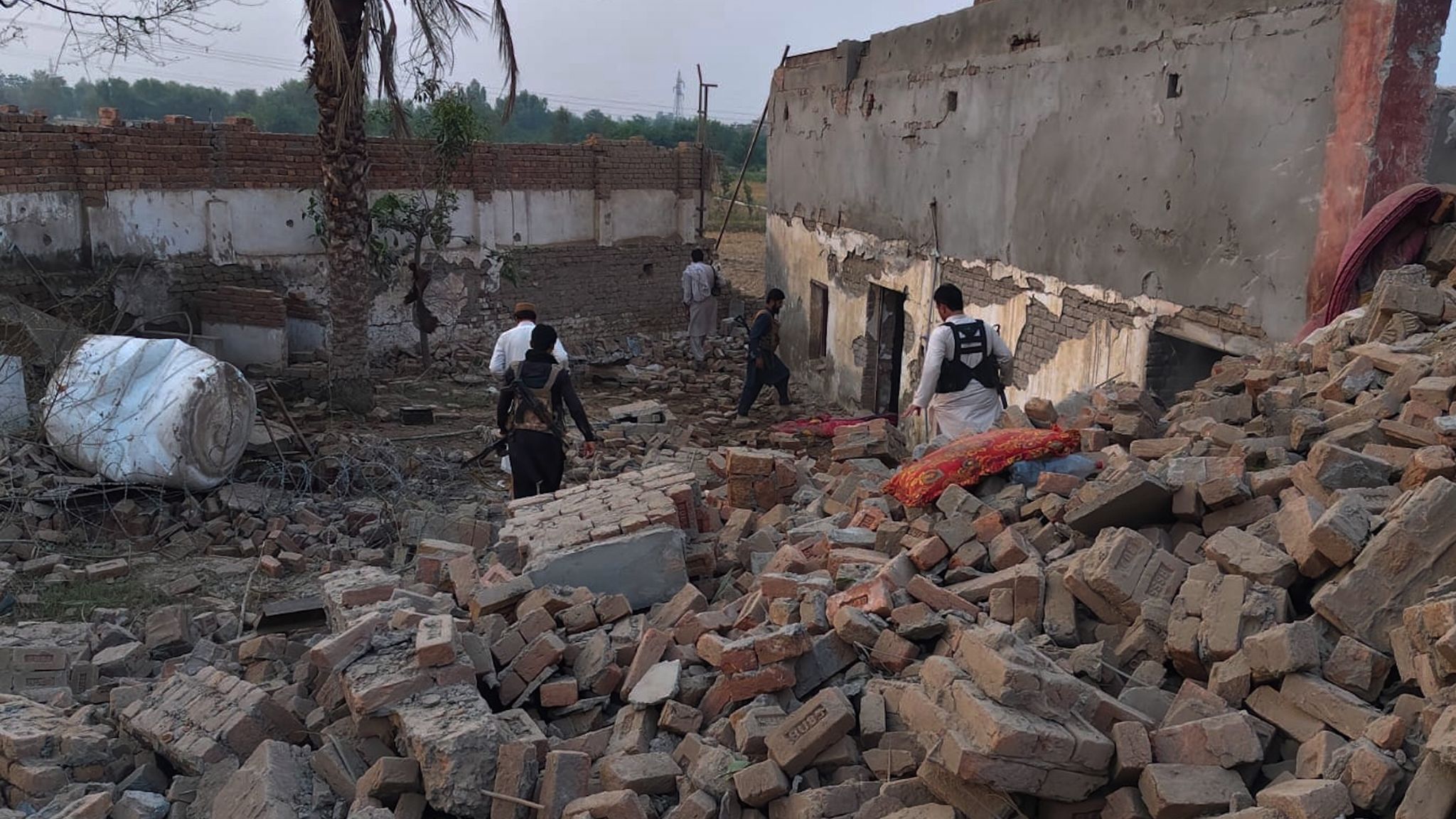
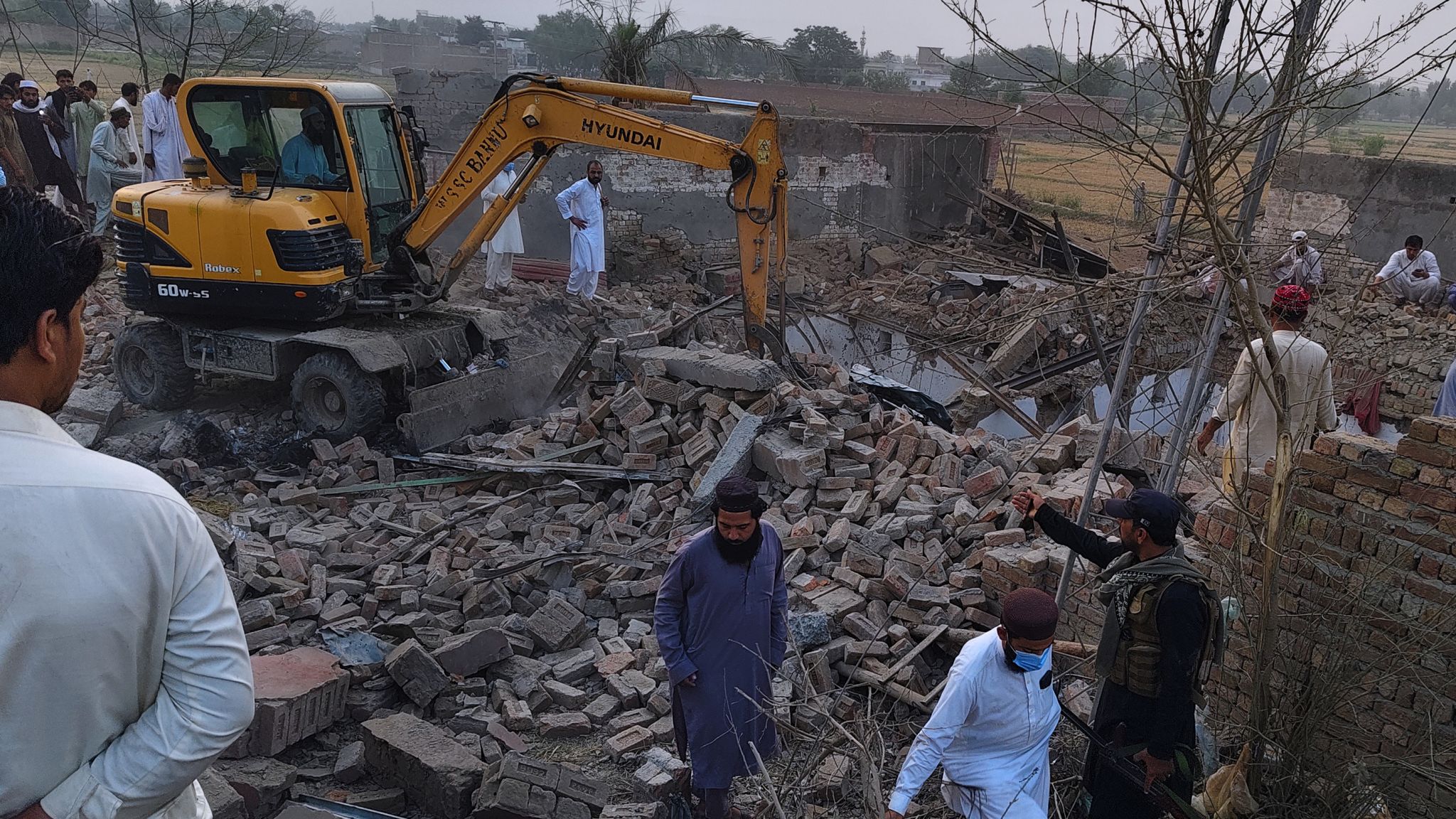
The violence began when multiple gunmen launched an attack on a security post in Bannu. Amid the fierce gunfire, a suicide bomber detonated a vehicle packed with explosives, intensifying the destruction. The explosion severely damaged the building, causing it to collapse and trapping some officers inside.
Authorities confirmed that several police officers were killed during the intense shootout that ensued, while others succumbed to injuries after the collapse of the structure. By Sunday, the death toll had risen to 14, with three additional officers wounded and receiving medical treatment.
Responsibility and Regional Context
The militant group Ittehad ul Mujahideen Pakistan claimed responsibility for the attack. This organization is known as a splinter faction emerging from the Pakistani branch of the Taliban, specifically from the Tehrik-e-Taliban Pakistan (TTP). The TTP itself is a powerful militant network allied with the Afghan Taliban, which regained control of Afghanistan in 2021.
Ittehad ul Mujahideen portrays itself as a breakaway faction, often targeting Pakistani security forces. This attack highlights the persistent threat posed by militant groups operating within Pakistan’s border regions, where porous frontiers allow insurgents to cross between Afghanistan and Pakistan with relative ease.
Militant Activity in Khyber Pakhtunkhwa
Khyber Pakhtunkhwa province, including Bannu, has long been a flashpoint for militant violence due to its proximity to Afghanistan and the presence of various Islamist insurgent groups. In recent years, Pakistan has seen a resurgence of attacks by the TTP and associated factions, which Islamabad accuses of using sanctuaries across the border in Afghanistan.
The Afghan Taliban government denies providing shelter to these militants, complicating diplomatic efforts to curb cross-border terrorism. The ongoing instability in the region continues to threaten peace and security across both nations.
National Response and Mourning
On Sunday, hundreds of mourners gathered outside the police headquarters in Bannu to pay their respects to the fallen officers. Uniformed police personnel stood solemnly as coffins draped with the national flag passed by grieving relatives and community members. The funerals underscored the heavy toll that militancy exacts on Pakistan’s law enforcement agencies.
President Asif Ali Zardari condemned the attack in a strong statement, offering condolences to the families of the victims. He explicitly accused “terrorists operating from sanctuaries in Afghanistan under the Taliban administration and supported externally” of targeting both civilians and security personnel within Pakistan.
President Zardari vowed to intensify efforts to dismantle the networks supporting these militants, declaring a commitment to targeting “their facilitators and sponsors” to prevent future attacks.
Why This Attack Matters
This deadly assault on police forces in Bannu underscores the persistent security challenges that Pakistan faces amid a complex regional landscape. The attack not only highlights the ongoing threat from militant groups like Ittehad ul Mujahideen and the TTP but also illuminates the fragile nature of Pakistan-Afghanistan relations.
The porous border region remains a breeding ground for insurgency, with militants exploiting cross-border sanctuaries to launch attacks inside Pakistan. The violence threatens to destabilize not only local communities but also the broader region, impacting diplomatic ties and counterterrorism efforts.
For Pakistan’s security forces, the attack is a stark reminder of the risks they face daily in confronting entrenched militancy. The loss of 14 officers in a single incident is a somber testament to their sacrifice and the urgent need for heightened security measures and regional cooperation to stem the tide of violence.
Looking Ahead
As investigations continue, Pakistani authorities are likely to intensify military and intelligence operations against militant hideouts. Diplomatic pressure on Afghanistan’s Taliban government may also increase as Islamabad demands action against insurgent groups allegedly operating from Afghan soil.
The funerals in Bannu serve as a poignant moment of national mourning, but they also mark a critical juncture in Pakistan’s ongoing struggle against militancy. How the government responds in the coming weeks could shape the trajectory of security and stability in this crucial border region.