

The summer of 2026 has officially shattered previous temperature records, marking it as the hottest season ever documented in the United Kingdom since weather tracking began in 1884. This historic milestone highlights a significant shift in the UK’s climate patterns, with profound implications for the environment, public health, and policy planning.
Unprecedented Heat Across the UK
According to the Met Office’s provisional data, temperatures throughout the summer months of June, July, and August 2026 consistently soared above historical averages. This surge in heat has surpassed all prior records, making it the hottest summer in nearly a century and a half of meteorological observations.
The Met Office’s comprehensive monitoring captured not only elevated daytime highs but also warmer nights, contributing to a cumulative heat intensity rarely seen in the UK’s temperate climate zone. This extreme weather pattern affected regions across England, Scotland, Wales, and Northern Ireland, with some areas experiencing prolonged heatwaves that strained local infrastructure and natural ecosystems.
Context and Consequences of the Record-Breaking Summer
The declaration of 2026 as the hottest summer on record comes amid growing concerns about climate change and its tangible impacts on daily life in the UK. Rising temperatures have intensified heat stress on vulnerable populations, including the elderly and those with pre-existing health conditions, while also challenging the capacity of healthcare and emergency services.
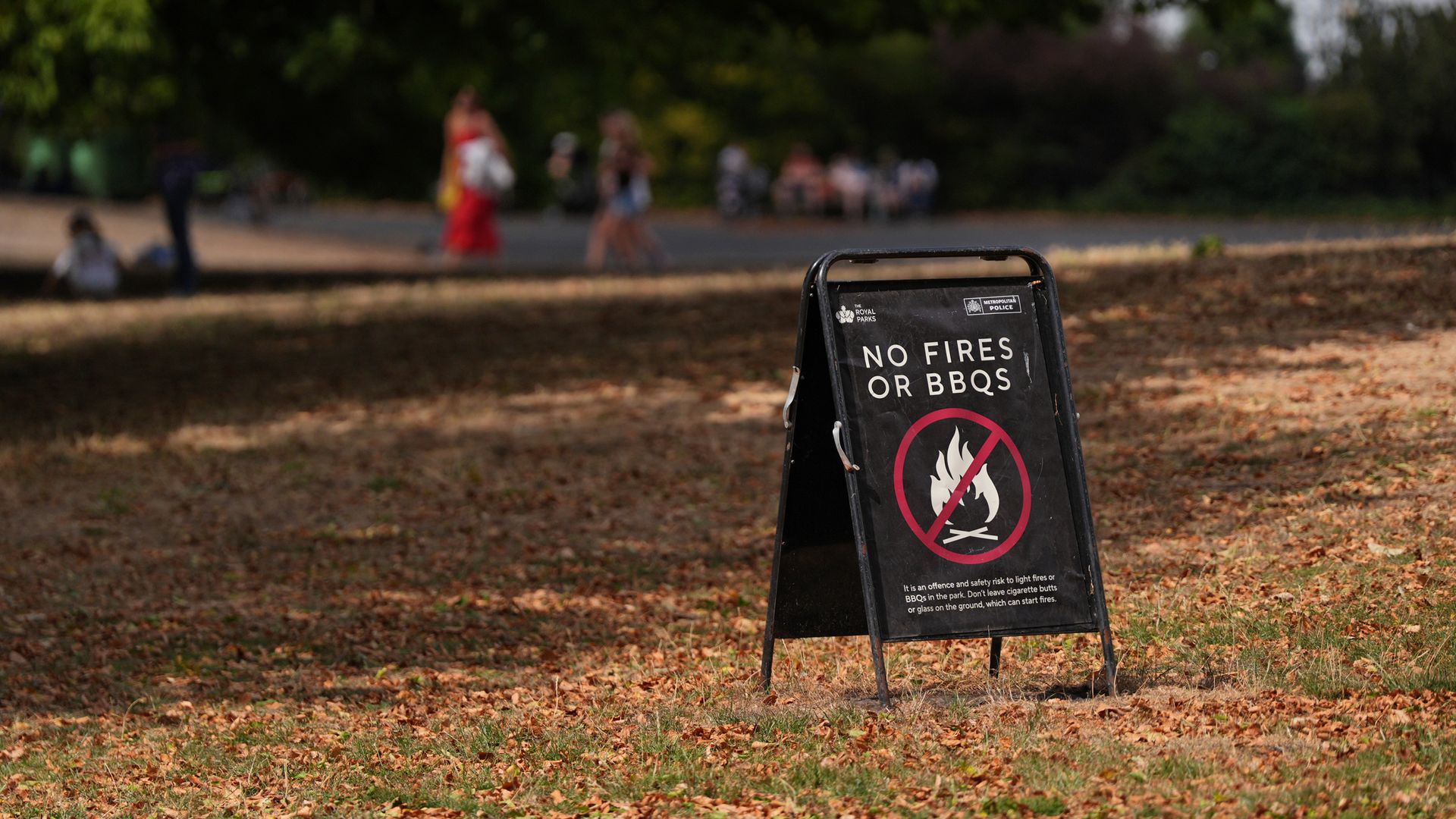
Agricultural sectors faced significant challenges as well, with drought conditions and heat stress affecting crop yields and livestock health. The prolonged heat waves also heightened risks of wildfires and placed additional demands on water resources, leading to local restrictions in certain areas.
Environmental experts emphasize that this record-setting summer is not an isolated event but part of a broader trend of increasing global temperatures driven by greenhouse gas emissions. The Met Office’s findings underscore the urgency for governments and communities to implement robust adaptation and mitigation strategies to cope with escalating climate risks.
Looking Ahead: What This Means for the UK
The confirmation of summer 2026 as the hottest on record serves as a critical wake-up call for policymakers, businesses, and citizens alike. Climate resilience will become increasingly vital as heat extremes threaten public health, energy systems, and biodiversity.
Urban planning must prioritize heat mitigation through green infrastructure and improved building standards, while public health campaigns need to focus on heatwave preparedness and awareness. Additionally, the agricultural sector will require innovative approaches to safeguard food security under shifting climate conditions.
Continued monitoring and research by organizations like the Met Office will be essential to track evolving weather patterns and inform evidence-based responses. The historic temperatures recorded this summer underline the pressing need for coordinated climate action that addresses both the causes and consequences of global warming.
As the UK faces these unprecedented climatic challenges, the lessons from summer 2026 will shape strategies to protect communities and ecosystems in the years ahead.