Imagine hearing your own voice again after years of silence. For Yvonne Johnson, who lives with motor neuron disease (MND) and has struggled with speech loss, this is now a reality—thanks to groundbreaking artificial intelligence technology. Her journey highlights how AI is transforming lives by restoring natural voices to those who have lost the ability to speak.
The Power of AI in Reclaiming Lost Voices
Motor neuron disease progressively damages the nerves controlling muscles, often robbing people of their ability to speak. For many, communication becomes a daily challenge, isolating them from loved ones and the world around them. Traditional speech-generating devices can provide some assistance, but they often lack personalization and fail to capture the nuances of an individual’s natural voice.
Recent advances in AI have revolutionized this space by enabling the creation of digital voice models that replicate a person’s unique vocal characteristics. Through deep learning algorithms and voice sampling, these systems preserve the tonal quality, pitch, and cadence that make a voice truly personal.
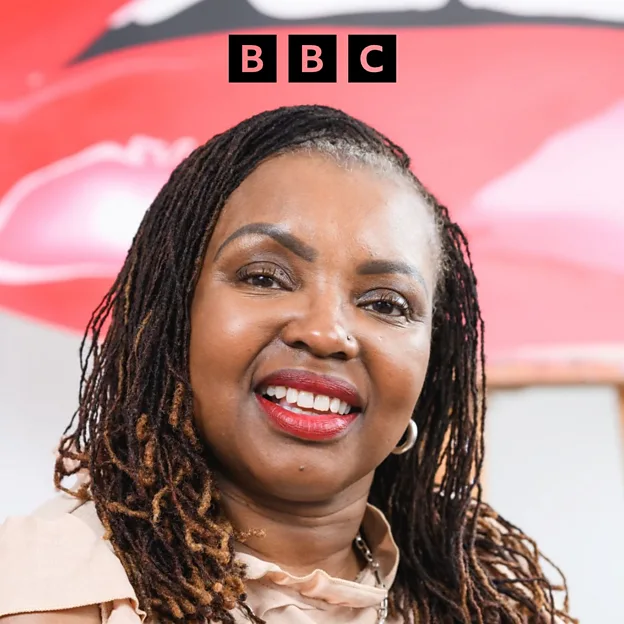
Yvonne Johnson has experienced this technological breakthrough firsthand. Although she has lost much of her ability to speak due to MND, AI has allowed her to regain her voice in a way that feels authentic and deeply meaningful.
Yvonne Johnson’s Journey: From Silence to Sound
Yvonne’s story is a powerful testament to the emotional impact of voice restoration technology. After years of struggling with diminishing speech, she was introduced to an AI-based voice synthesis program designed specifically for people with speech impairments. The technology captured recordings of Yvonne’s voice before her condition worsened and used them to build a digital voice model.
When Yvonne first heard the AI-generated version of her voice, she describes the experience as “totally blowing my mind.” The ability to communicate in her own voice, rather than a generic synthetic tone, brought a renewed sense of identity and connection. It not only improved her communication but also uplifted her emotional well-being.
This technology represents more than just a communication tool; it restores dignity and personhood to those affected by speech loss. For Yvonne and many others, hearing their own voice again breaks down barriers and opens new avenues for engagement with family, friends, and caregivers.
Why This Matters: The Broader Impact of Voice AI
The implications of AI voice restoration extend beyond individual stories. With millions worldwide affected by neurological conditions like MND, stroke, or traumatic brain injury, the demand for personalized communication solutions is growing rapidly.
Innovations in AI not only enhance quality of life but also reduce healthcare burdens by facilitating better patient interaction and support. For healthcare professionals, having access to a patient’s authentic voice can improve diagnosis, treatment, and emotional care.
Moreover, this technology raises important discussions around ethics, privacy, and accessibility. Ensuring equitable access to AI voice restoration tools will be crucial as the technology advances. Collaboration between tech developers, medical experts, and patient communities will help tailor solutions that respect individual rights and cultural sensitivities.
Yvonne’s experience shines a light on the human side of AI innovation—how the fusion of technology and empathy can create profound change in people’s lives.
Looking Ahead: The Future of AI and Human Voices
As AI voice synthesis continues to evolve, its applications will likely expand beyond medical use to areas such as education, entertainment, and personal digital assistants. However, the core achievement remains clear: harnessing artificial intelligence to preserve and amplify what makes us uniquely human—our voices.
For individuals like Yvonne Johnson, this technology offers more than just speech; it offers a reconnection to identity, emotion, and community. Her story exemplifies how AI can restore not only voices but also the fundamental human experience of being heard.