

As the UK grapples with an unprecedented heatwave, a tragic new milestone has been reached: a teenage boy has drowned while swimming in a pond, marking the 10th open water death linked to the soaring temperatures. This somber event highlights the growing dangers of swimming in natural bodies of water during extreme weather conditions.
Rising Temperatures and Open Water Risks
Record-breaking heatwaves have swept across the UK, drawing more people to lakes, rivers, and ponds in search of relief. However, these natural swimming spots often conceal hidden dangers, especially under high-temperature conditions. The teenage boy’s drowning underscores the peril that such environments pose, particularly to inexperienced swimmers or those unaware of the risks.
Open water environments—unlike controlled swimming pools—feature variable depths, strong currents, and uneven terrain beneath the surface. Cold water shock, underwater obstacles, and sudden drop-offs can quickly overwhelm even confident swimmers. During heatwaves, a surge in visitors to these locations increases the likelihood of accidents.
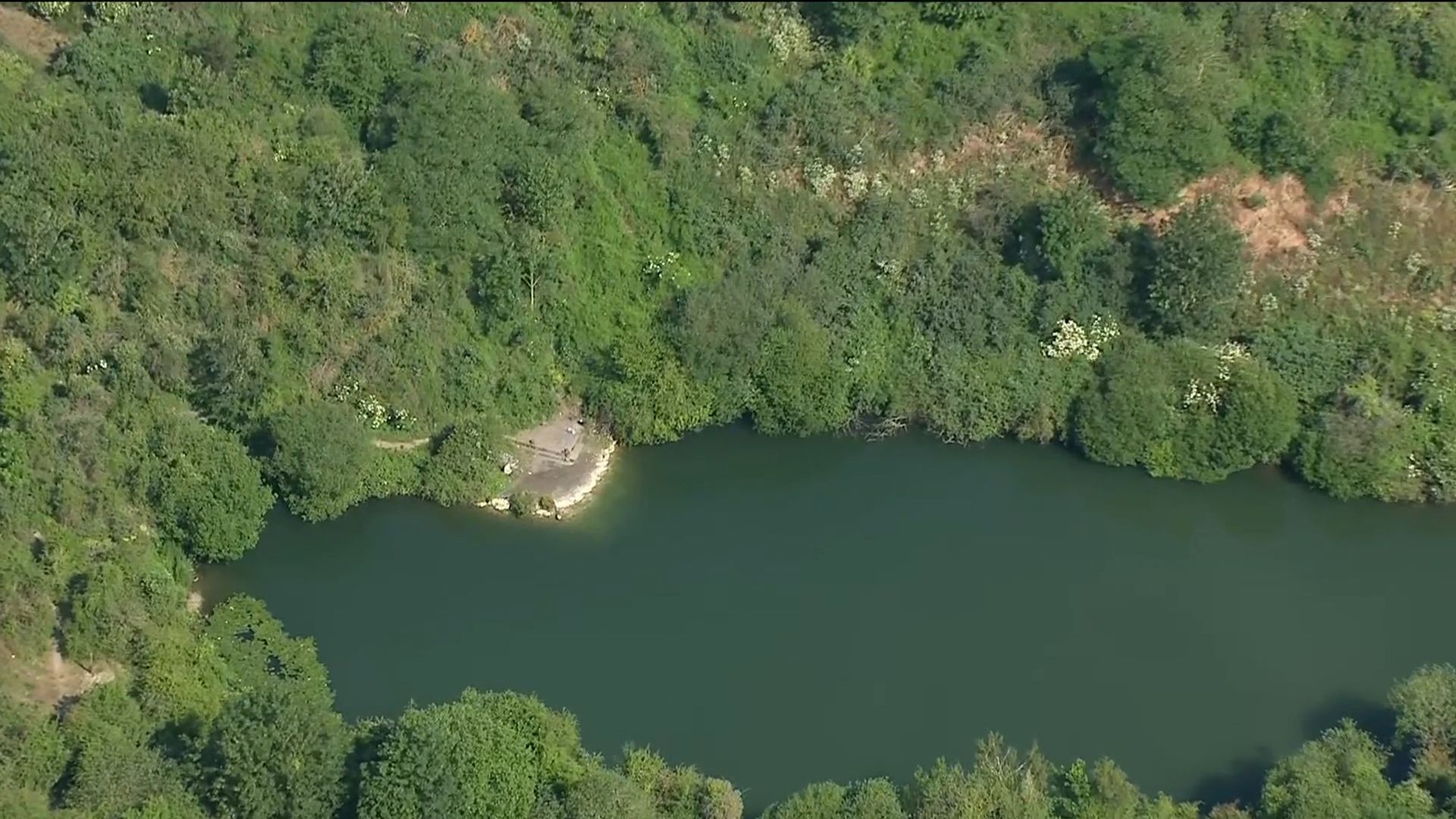
The Toll So Far: Ten Lives Lost in Open Water
This recent fatality brings the total number of open water deaths during this UK heatwave to ten, a stark and distressing figure. Each of these tragedies reflects a broader public safety challenge: how to keep swimmers safe in unmonitored natural water bodies during periods of intense heat.
Authorities have repeatedly warned against swimming in ponds, rivers, and lakes without adequate supervision or safety measures. Despite these cautions, the allure of cool water during a heatwave remains strong, especially for young people seeking escape from the sweltering conditions.
These deaths also have a profound impact on families and communities, reminding us of the critical need for heightened awareness and preventive measures.
Why These Deaths Demand Urgent Attention
The spike in open water fatalities during the heatwave reveals gaps in public education, safety infrastructure, and emergency response. Unlike pools that have lifeguards and safety equipment, natural water bodies often lack such protections, leaving swimmers vulnerable.
Experts emphasize that heatwaves don’t just increase the appeal of swimming outdoors—they also amplify risks. Hot weather can lead to dehydration and fatigue, impairing judgment and physical ability. Additionally, water temperatures in ponds and lakes may remain deceptively cold, causing muscle cramps or shock.
Local councils and emergency services are now pressed to enhance safety campaigns and install better warning signs around popular natural swimming spots. The public must recognize that swimming in open water during a heatwave requires caution, preparation, and respect for the environment’s unpredictability.
Looking Ahead: Preventing Future Tragedies
The loss of the teenage boy and the nine others before him serves as a grave reminder of the importance of water safety education and vigilant supervision. Families should be encouraged to swim only in designated areas with lifeguards and to stay informed about the specific hazards of natural water sites.
Community outreach programs, clear signage, and robust emergency plans can collectively reduce the risk of further casualties. As climate change contributes to more frequent and intense heatwaves, adapting public safety strategies to these evolving conditions becomes essential.
Ultimately, the goal is to ensure that natural water bodies can be enjoyed safely, without the devastating consequences witnessed during this heatwave. Vigilance, awareness, and respect for open water dangers remain the best defenses against future tragedies.