

A teenager has emphatically denied any involvement in piloting a dinghy that carried an astonishing 167 people across the treacherous waters of the English Channel. This remarkable incident highlights the ongoing challenges posed by migrant crossings in one of the world’s busiest and most dangerous maritime corridors.
The Incident: A Dinghy Overloaded with Migrants
The dinghy in question was reportedly packed with 167 individuals attempting to reach the United Kingdom from continental Europe. Such crossings have surged in recent years, driven by conflicts, economic hardship, and the pursuit of asylum. The English Channel, although narrow, presents significant dangers due to unpredictable weather, heavy shipping traffic, and strong currents. Despite these risks, migrants continue to undertake perilous journeys in small, often unseaworthy vessels.
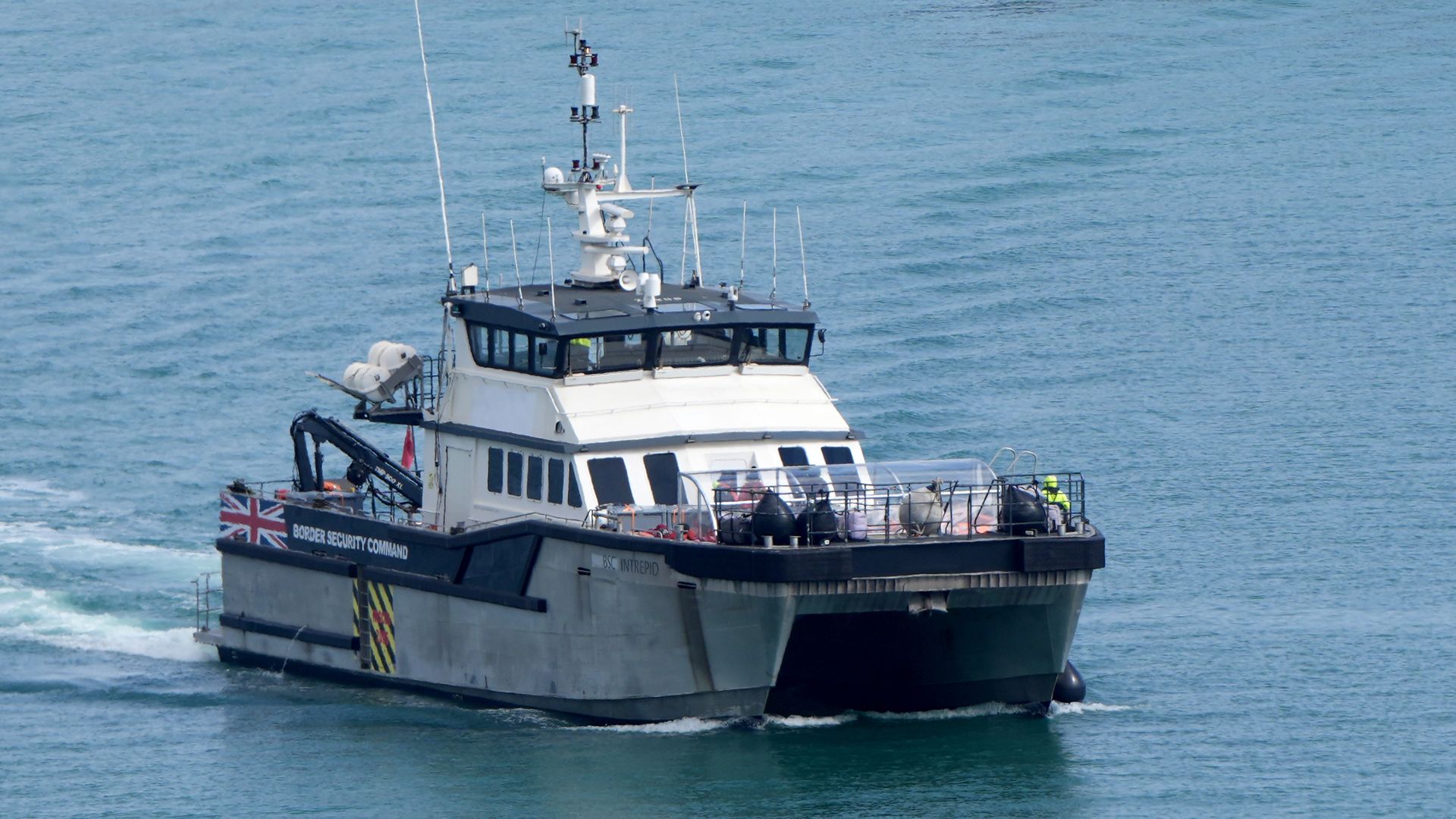
Authorities intercepted the dinghy, raising immediate concerns about the safety and legality of the voyage. The sheer number of people onboard far exceeded what any typical dinghy can safely carry, amplifying the risk of capsizing and loss of life. Rescue agencies and border enforcement officials frequently encounter such dangerously overcrowded boats, prompting debates over border security and humanitarian responses.
The Teenager’s Denial and Legal Proceedings
Following the interdiction, a teenager was arrested and charged with piloting the dinghy. However, the young individual has firmly denied steering the vessel, contesting the allegation. The case has sparked significant attention, as authorities seek to identify those responsible for organizing and facilitating these hazardous crossings.
Legal experts emphasize the complexities involved in prosecuting such cases. Migrants often face exploitation by human traffickers who recruit vulnerable individuals to operate boats under duress or for minimal compensation. Determining culpability requires careful investigation, including establishing who held command of the vessel and the extent of their involvement in the operation.
The teenager’s denial raises critical questions about accountability within the broader network that orchestrates these Channel crossings. Authorities face the challenge of dismantling trafficking rings while ensuring justice for those coerced into dangerous roles.
Why This Matters: The Broader Context of Channel Crossings
The English Channel sits at the heart of a complex geopolitical and humanitarian crisis. Each year, thousands of migrants attempt the crossing amid tightening border controls and evolving immigration policies. The UK government has intensified efforts to curb illegal entries, deploying increased patrols and technological surveillance.
However, critics argue that these measures do not address the root causes driving migration or provide adequate safe and legal pathways for asylum seekers. The frequent use of overcrowded dinghies underscores the desperation migrants face and the lucrative business model traffickers exploit.
Moreover, the Channel crossings pose serious safety concerns. Overloaded boats risk capsizing, leading to tragic drownings that have shocked public opinion and international observers. Authorities must balance enforcement with humanitarian obligations, ensuring rescue operations prioritize saving lives without encouraging dangerous journeys.
What’s Next: Implications for Policy and Enforcement
This case involving the teenager is emblematic of the broader struggle to manage migration across one of Europe’s most sensitive borders. It spotlights the need for coordinated international responses that combine law enforcement with humanitarian aid and diplomatic engagement.
Efforts to prosecute those who facilitate illegal crossings must go hand in hand with initiatives that provide migrants with safer alternatives and address underlying displacement factors. Enhanced cooperation between the UK, France, and other European nations remains vital to disrupting trafficking networks and improving border security.
As legal proceedings unfold, the outcome of this case could influence future approaches to handling migrants accused of operating vessels under coercion. It also serves as a stark reminder of the human cost embedded in the ongoing Channel crossing crisis.
Takeaway: Navigating the Complexities of Channel Migration
The teenager’s denial in the face of serious allegations brings to light the multifaceted challenges surrounding migrant crossings in the English Channel. Beyond individual responsibility, this episode underscores the urgent need for comprehensive strategies that safeguard lives, uphold justice, and confront the broader migration dynamics at play.
Resolving these complex issues demands a balance of security, compassion, and international collaboration to ensure that desperate journeys across the Channel no longer jeopardize the safety of vulnerable migrants or strain regional relations.