

A devastating incident unfolded in Wales as a teenager lost their life while participating in a Duke of Edinburgh’s Award expedition. This tragic event has sent shockwaves through the community and raised urgent questions about safety protocols during outdoor youth activities.
What Happened During the Expedition?
The Duke of Edinburgh’s Award is a well-established youth program that encourages young people to develop skills, engage in physical challenges, and contribute to their communities through expeditions and service. These expeditions often involve hiking, camping, and water activities, aiming to build resilience and teamwork.
During one such expedition in Wales, a teenager tragically drowned. Details about the exact circumstances remain limited, but the incident reportedly occurred while the group was involved in water-based activities, a common component of the award’s adventurous challenges.
Emergency services responded swiftly, but despite their efforts, the young individual could not be saved. Authorities have launched an investigation to determine the precise factors that led to the drowning, including weather conditions, supervision levels, and the safety measures in place.
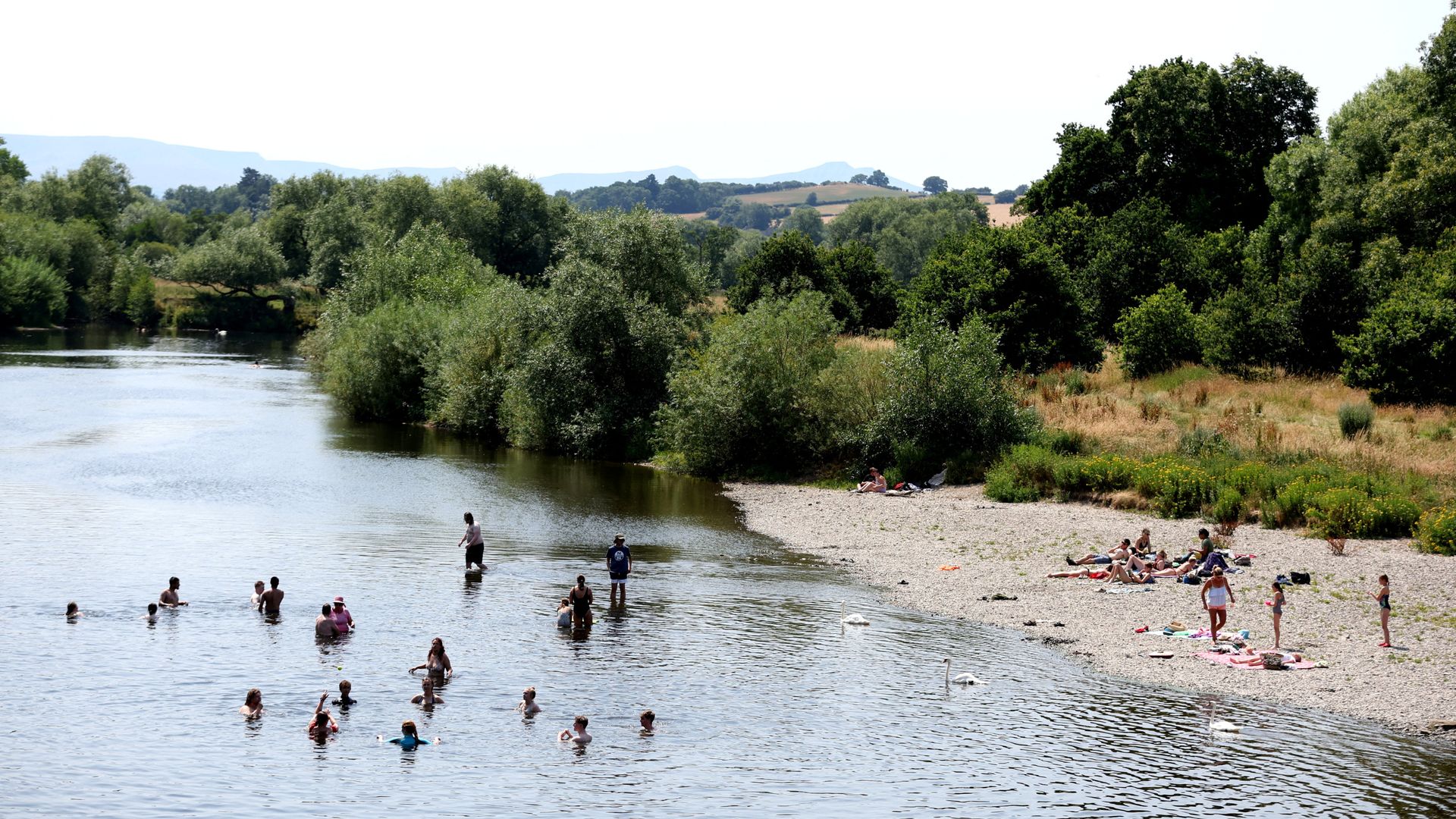
Why Safety During Youth Expeditions Matters
The Duke of Edinburgh’s Award is celebrated for fostering independence and confidence among young people. However, any outdoor activity carries inherent risks, particularly when water is involved. This incident underscores the critical importance of stringent safety protocols, thorough risk assessments, and adequately trained supervision.
Water safety remains one of the most challenging aspects of outdoor expeditions. Swift currents, unpredictable weather, and cold temperatures can all pose serious hazards, even for experienced participants. Organisers must ensure that all participants are well-prepared, equipped with proper safety gear, and that emergency procedures are rehearsed and clearly understood.
Beyond the immediate tragedy, this event has sparked conversations about how similar programs can improve their safety measures. It also highlights the need for ongoing training for expedition leaders and the importance of clear communication between organisers, parents, and participants regarding potential risks.
Looking Ahead: What This Means for Future Expeditions
In the wake of this heartbreaking loss, the Duke of Edinburgh’s Award organisation and associated groups are expected to review and possibly enhance their safety guidelines. This may involve stricter supervision ratios, more comprehensive participant training, and improved emergency response strategies.
Parents and guardians of young people enrolling in such programs will likely seek greater transparency about safety standards and contingency plans. Meanwhile, the wider outdoor education community may respond by sharing best practices to prevent similar tragedies.
While the Duke of Edinburgh’s Award remains a valuable and enriching experience for thousands of young people each year, this incident serves as a solemn reminder of the risks involved and the paramount importance of safety.
The loss of a young life during an activity designed to inspire and challenge is a profound tragedy that resonates far beyond this single event. It calls for reflection, vigilance, and dedicated efforts to protect the wellbeing of all participants in youth expeditions moving forward.