

Tesco is revolutionizing the shopping experience by replacing traditional barcodes with QR codes on a selection of its own-brand products, marking a groundbreaking first for UK supermarkets. This innovative shift aims to provide shoppers with a richer, more interactive way to access vital product information and support industry-wide improvements in stock management and waste reduction.
What’s Changing: From Barcodes to QR Codes
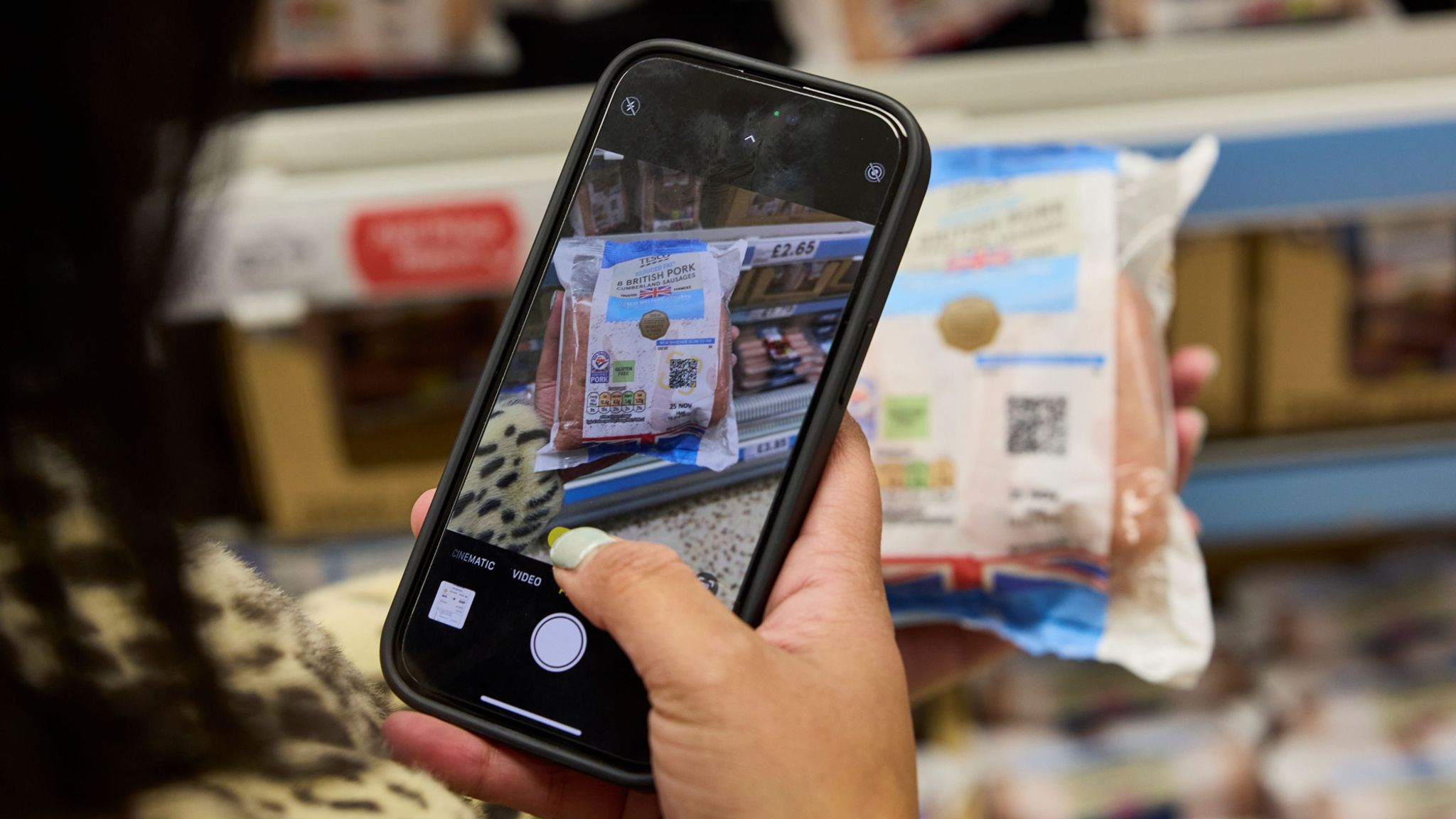
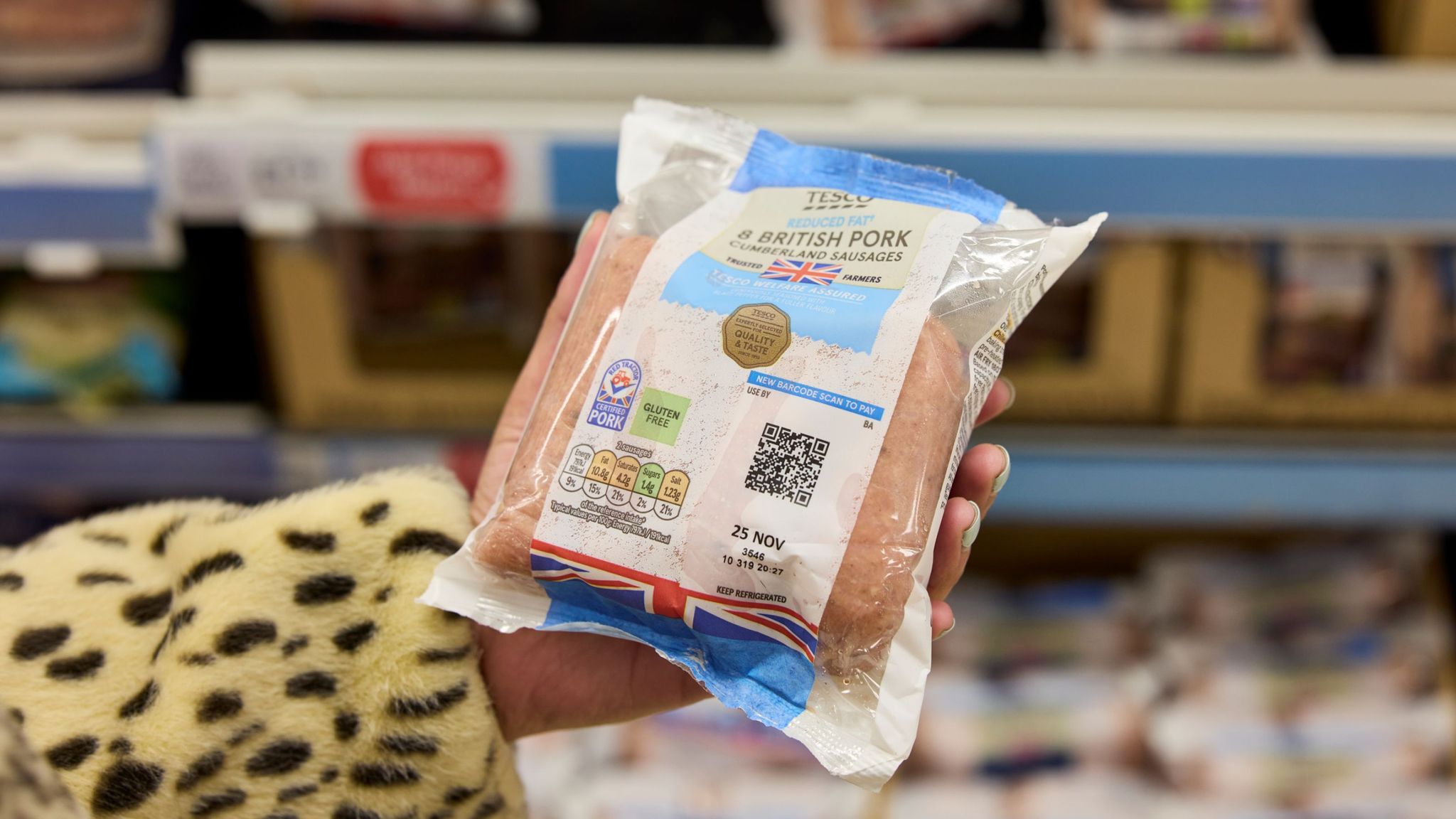
Rather than scanning conventional barcodes, customers will now use their smartphones to scan QR codes printed on the packaging of various Tesco own-label products. Initially, this change targets Tesco’s popular range of sausages, including Tesco Pork Sausages, Pork Chipolatas, British Pork Sausage Meat, as well as British Cumberland and British Lincolnshire Sausages.
When scanned, these QR codes unlock a wealth of information that goes beyond the basics. Shoppers will gain instant access to detailed nutritional data, product traceability, and even additional features like recipe suggestions and opportunities to enter competitions. This interactive approach enhances transparency and empowers consumers to make more informed choices about the food they purchase.
Why Tesco and the Retail Industry Are Embracing QR Codes
Tesco describes this development as “one of the most revolutionary retailing improvements in decades.” The supermarket chain anticipates significant operational benefits, particularly in stock control and waste reduction. By integrating QR codes, Tesco can manage inventory with greater precision, tracking individual product batches in real-time.
This capability is especially critical when handling product recalls. Instead of discarding entire product lines, retailers can now identify and isolate specific batches that pose issues. This targeted approach minimizes unnecessary waste and enhances consumer safety. At the checkout, the system can block sales of affected batches, and retailers can swiftly contact customers who may have purchased recalled items, ensuring rapid and effective communication.
Peter Draper, Tesco’s Development and Change Director, emphasized the transformative potential of this technology: “For customers, this is a tiny and almost invisible change at the checkout, but for the retail industry, it’s a significant step forward. Over time, this opens up exciting possibilities, such as personalised digital tools to help customers manage the food they buy and reduce waste at home.”
Industry-Wide Impact and Future Prospects
The move by Tesco aligns with a broader initiative led by GS1, the global organisation responsible for barcode standards. GS1 is orchestrating a comprehensive rollout of QR codes across the retail sector, targeting full adoption by 2027. This shift promises to modernize product tracking, streamline supply chains, and enhance transparency.
Anne Godfrey, Chief Executive of GS1 UK, hailed Tesco’s adoption of QR codes as a “significant step forward for UK retail.” She noted, “It shows how the next generation of barcodes can support a more connected, transparent future.” Godfrey also expressed hope that Tesco’s leadership would inspire other retailers to adopt similar technologies, benefiting both consumers and businesses by providing richer, more reliable product information.
What This Means for Consumers and Retailers
For shoppers, the introduction of QR codes means greater access to detailed product insights at their fingertips. This transparency can foster healthier eating habits by making nutritional information more accessible. Additionally, interactive content such as recipes can inspire meal planning and cooking creativity.
From a retailer’s perspective, the ability to precisely track products reduces food waste and enhances supply chain efficiency. In an era where sustainability and environmental responsibility are increasingly critical, these improvements contribute to Tesco’s broader corporate social responsibility goals.
Overall, Tesco’s pioneering step sets a new benchmark for UK retail, blending technology with everyday shopping to create a smarter, safer, and more sustainable food ecosystem.
As the rollout progresses, consumers can expect to see QR codes on an expanding array of products, signaling a transformative evolution in how we interact with the goods we buy.