

More than 10 million residents across London and the Thames Valley will soon face strict water use restrictions as Thames Water announces a comprehensive hosepipe ban. This move marks another significant measure by water companies responding to unprecedented drought conditions in England.
What Led to Thames Water’s Hosepipe Ban?
Thames Water’s decision comes amid one of the driest periods in recent history, with rainfall levels across southern England falling well below average. The Environment Agency has issued drought warnings, highlighting the critical strain on reservoirs and groundwater supplies. As a result, water companies are compelled to take drastic actions to safeguard dwindling resources.
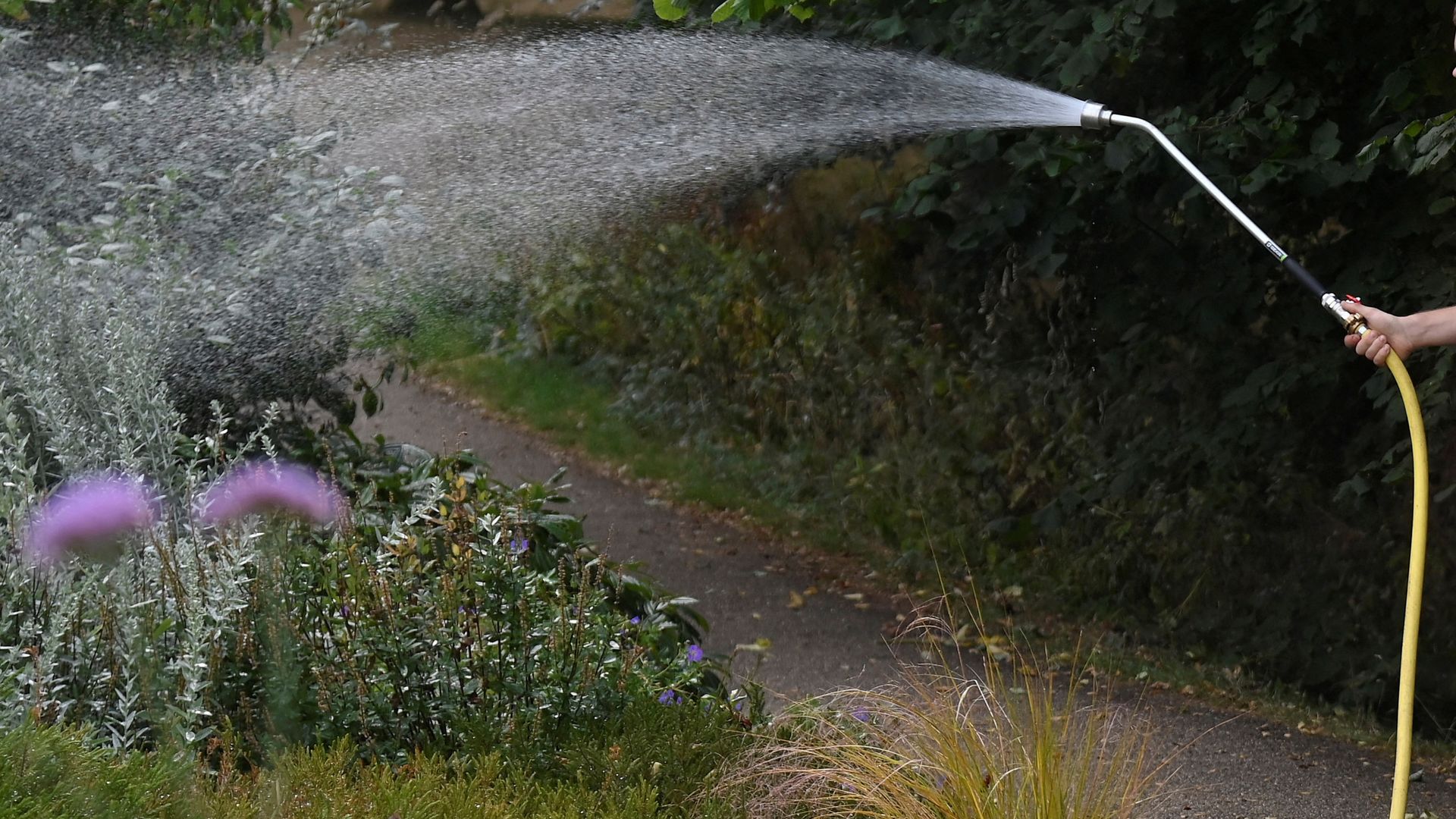
The hosepipe ban restricts the use of water for activities such as watering gardens, washing cars, and filling paddling pools. These measures aim to conserve water for essential household and public needs during the dry spell.
Thames Water serves a vast population, including London’s urban centers and surrounding counties, encompassing over 10 million people. The scale of this ban underscores the severity of the water scarcity challenge confronting the region.
Details of the Ban and Its Impact on Customers
The hosepipe ban will come into force on [exact date if known or “soon”], prohibiting the use of hosepipes for non-essential outdoor water use. Thames Water has communicated that this restriction is mandatory and violations may result in enforcement actions, including fines.
This ban affects a wide range of outdoor water uses:
- Watering lawns and gardens
- Washing vehicles with a hosepipe
- Filling or maintaining water features like ponds and fountains
- Washing patios, paths, and outdoor surfaces
Residents are encouraged to switch to watering cans or buckets for garden care and to avoid unnecessary water waste wherever possible. Thames Water also advises customers to check for leaks and use water-saving devices to reduce consumption further.
Why This Ban Matters: The Broader Context
The Thames Water hosepipe ban is part of a growing trend of water use restrictions nationwide. England’s water infrastructure faces mounting pressure from climate change, population growth, and aging systems. Drought conditions have become more frequent and intense, pushing water companies to adopt emergency conservation strategies.
Beyond immediate water savings, the ban highlights the urgent need for long-term solutions, including investment in sustainable water management, improved efficiency, and public awareness campaigns. The government and water authorities emphasize that responsible water use today can prevent more severe shortages in the future.
For millions of people, the hosepipe ban represents a shift in daily routines and habits. While some may view these restrictions as inconvenient, they are crucial to protecting water supplies for essential uses like drinking, cooking, and sanitation.
Looking Ahead: What Comes Next?
Thames Water has pledged to monitor water levels closely and will review the ban’s necessity as conditions evolve. If rainfall improves significantly, the company may lift restrictions earlier than planned. Conversely, prolonged dry weather could lead to extended or additional measures.
Customers can stay informed through official Thames Water communications and should prepare to comply with the ban to avoid penalties. Community cooperation will play a vital role in managing this drought crisis effectively.
In the meantime, experts continue to stress the importance of drought resilience, urging policymakers and consumers alike to prioritize water conservation well beyond this immediate emergency.
In summary, Thames Water’s hosepipe ban affects over 10 million customers as part of urgent efforts to mitigate severe drought. This critical restriction serves as a wake-up call about the fragility of water resources and the necessity for collective action to safeguard them.