

In May 2016, Leicester City stunned the football world by clinching the Premier League title against all odds. A club once considered perennial underdogs defied 5,000/1 betting odds to achieve one of the greatest triumphs in English football history. Yet, less than ten years later, the Foxes face the harsh reality of competing in League One, England’s third tier, following consecutive relegations. Their dramatic descent marks a cautionary tale of football’s volatility.
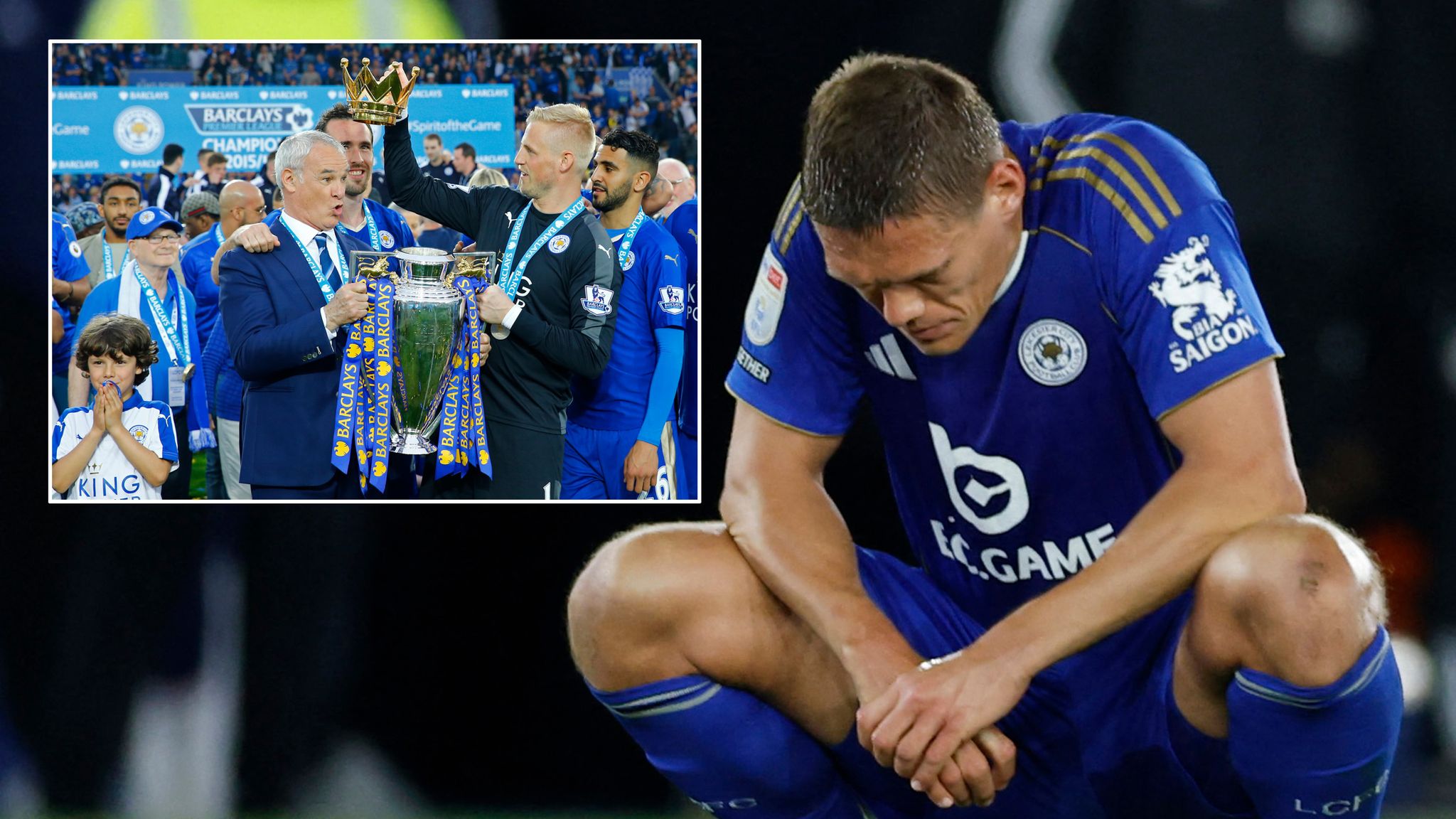
The Unbelievable Rise: From Outsiders to Champions
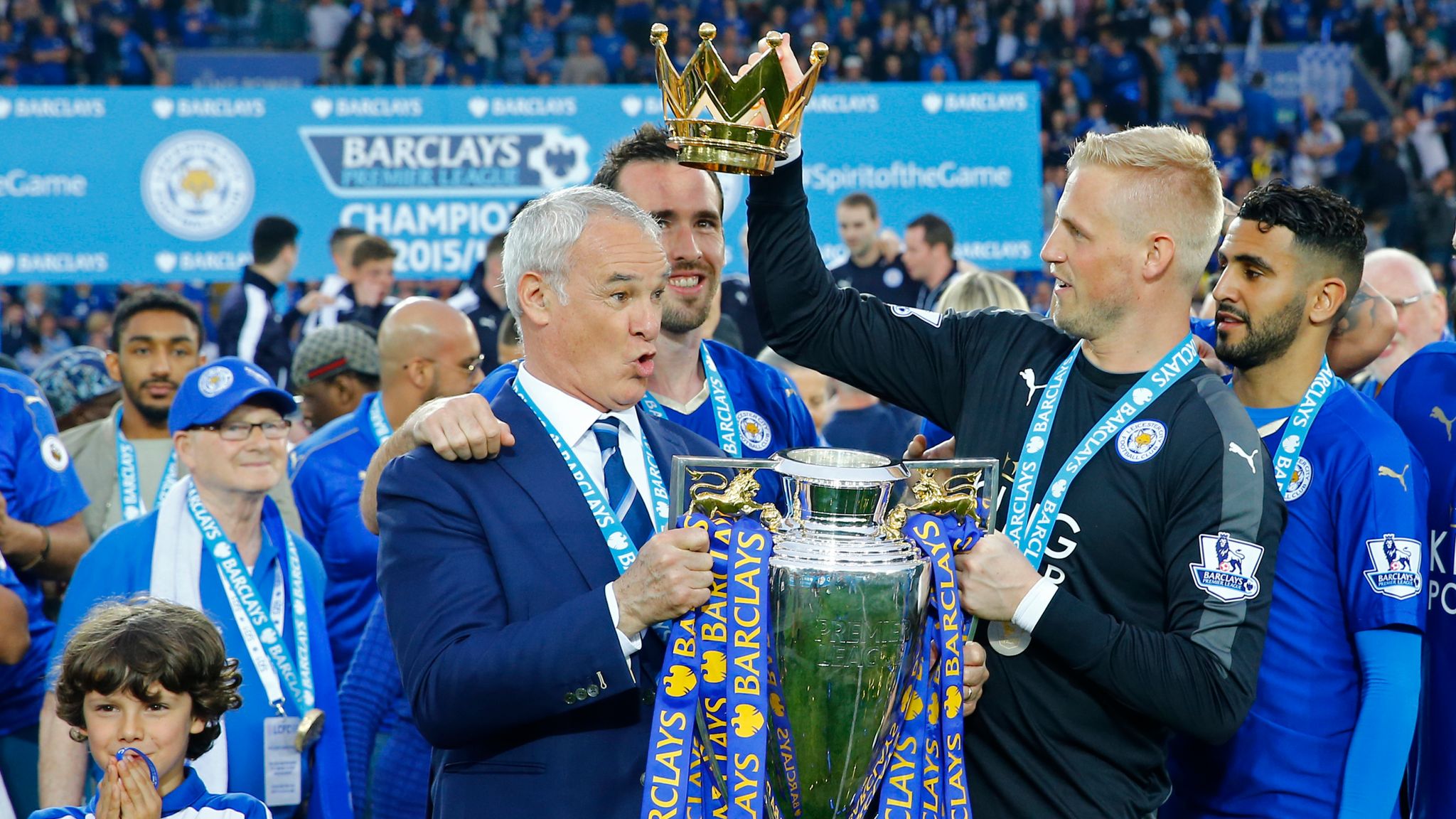
Leicester’s 2015/16 Premier League win remains a landmark achievement. The club had narrowly avoided relegation the previous season, finishing just six points above the drop zone after promotion from the Championship. Few expected them to mount a serious title challenge.
Under the guidance of Italian manager Claudio Ranieri, the Foxes began the 2015/16 campaign with stunning consistency, losing only once in their first seventeen league matches. By mid-January, Leicester sat atop the table and never relinquished that position. They secured the title with a commanding 10-point lead over runners-up Arsenal, losing just three league games all season.
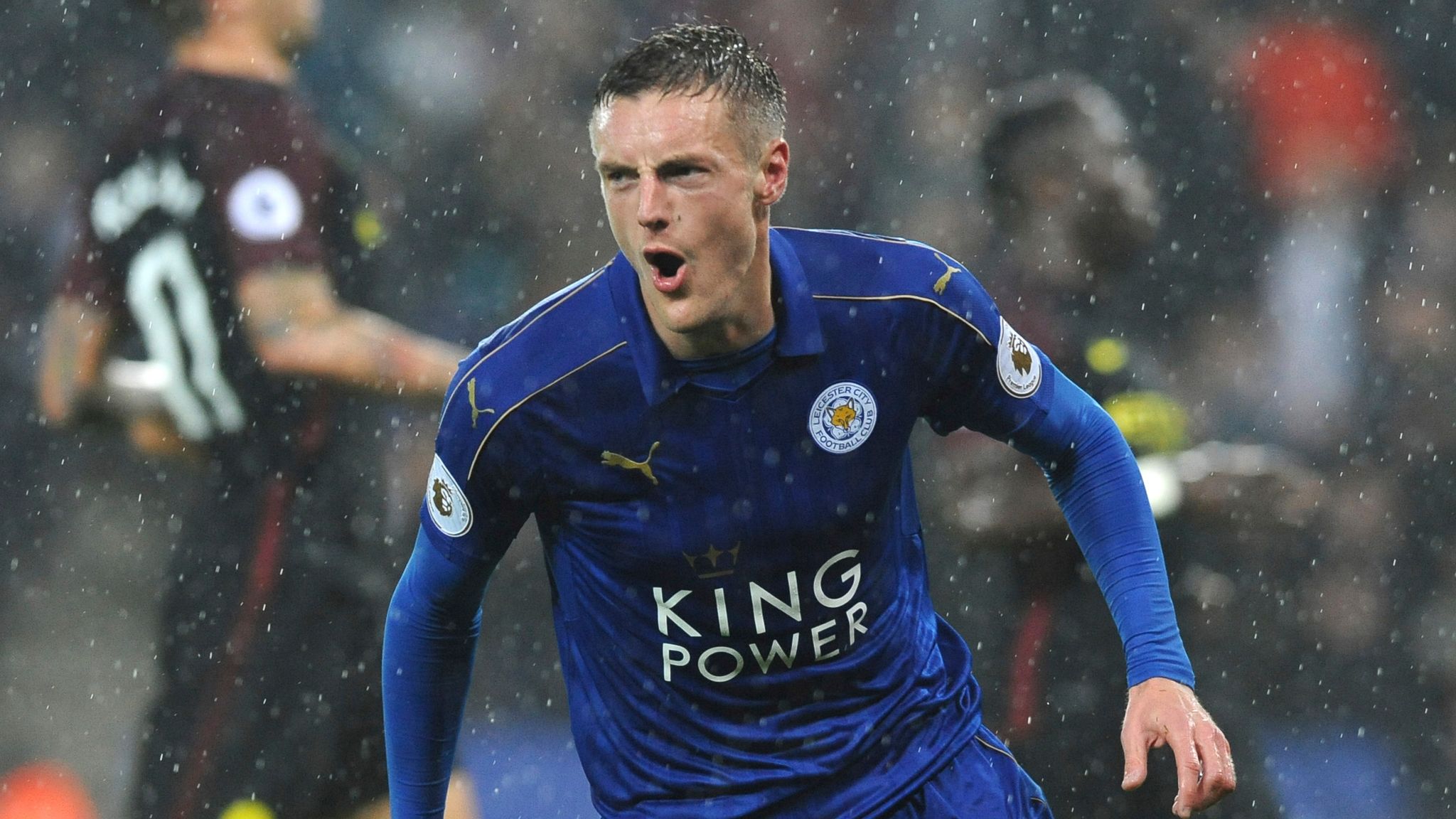
Key to their success was striker Jamie Vardy, whose 24 league goals included a record-breaking run of scoring in 11 consecutive Premier League matches—an unprecedented feat that still stands today.
The following season, Leicester showcased their quality on the European stage, advancing to the quarter-finals of the UEFA Champions League, outperforming all other English clubs before bowing out to Atletico Madrid.
Tragedy Strikes: The Loss of Vichai Srivaddhanaprabha
Amidst the highs, Leicester endured a heartbreaking blow on 27 October 2018. After securing a dramatic late equaliser against West Ham, the club’s celebrations were shattered when the helicopter carrying owner Vichai Srivaddhanaprabha crashed outside the King Power Stadium, killing all five on board.
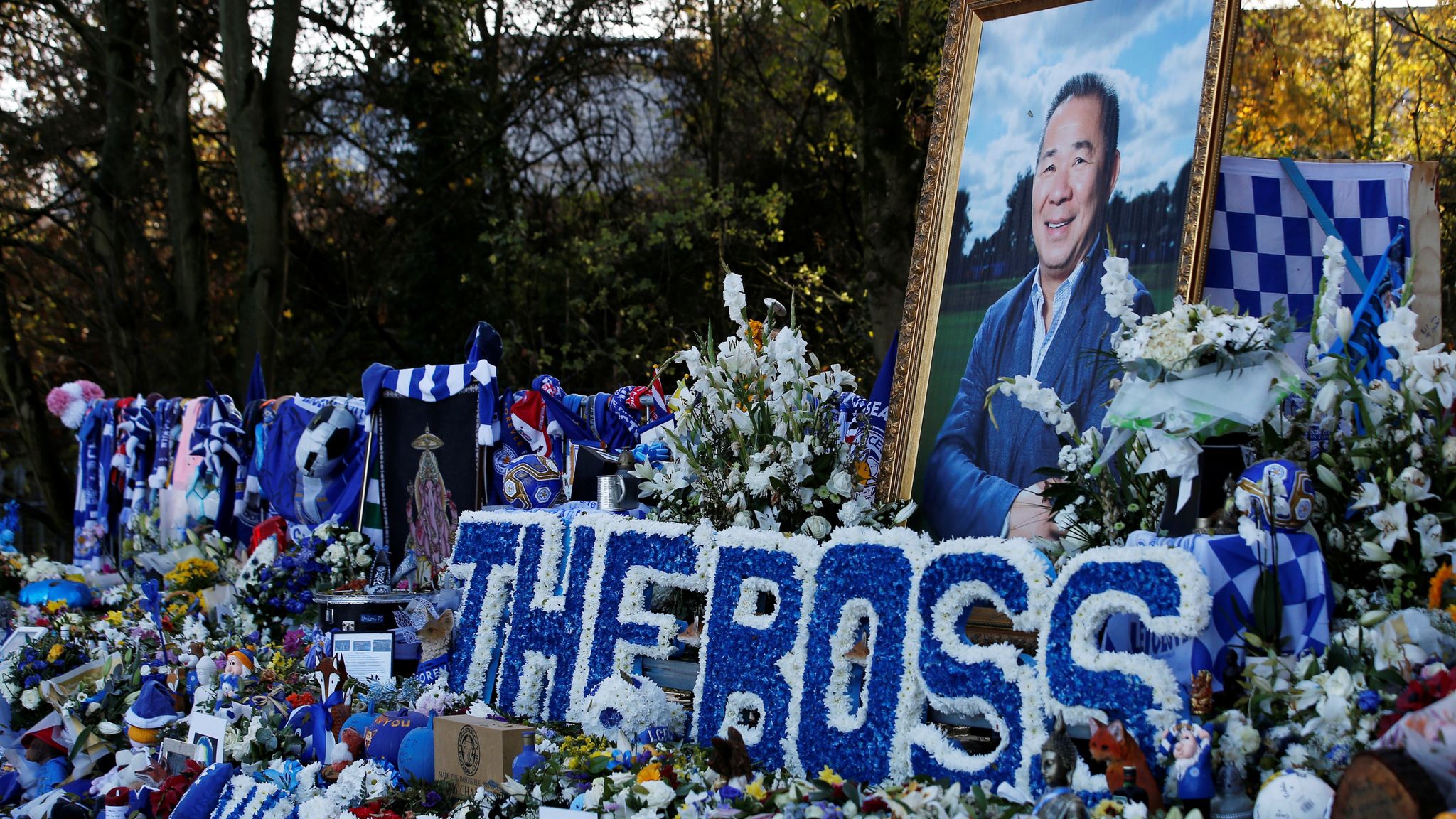
The crash, later attributed to mechanical failure, plunged the club into mourning. Srivaddhanaprabha had purchased Leicester for £39 million in 2010 and was widely credited with transforming the club’s fortunes. His investment cleared debts and laid the foundation for the historic Premier League triumph.
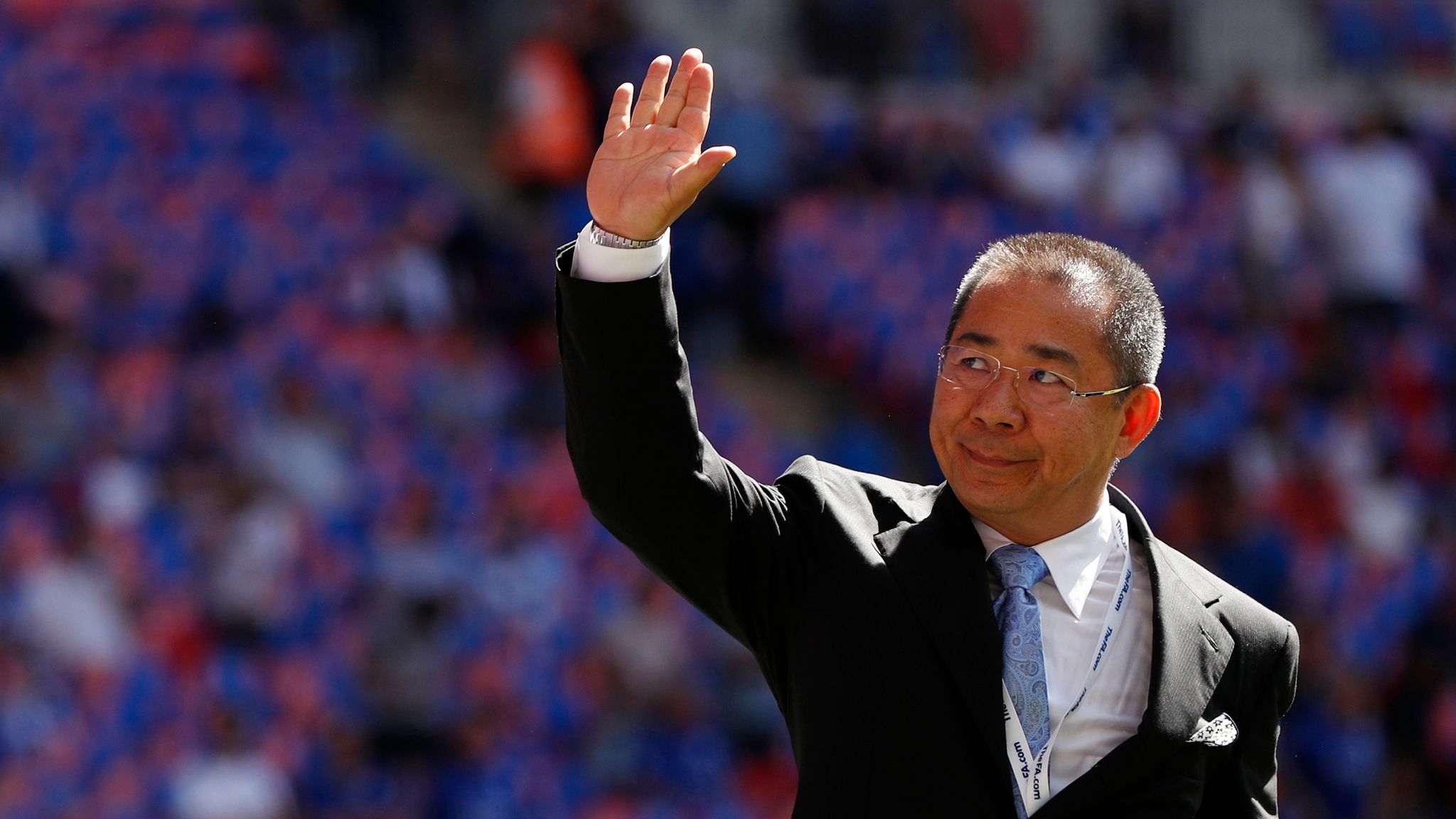
Following his death, Srivaddhanaprabha’s son, Aiyawatt “Top” Srivaddhanaprabha, assumed ownership. Despite his efforts, the club struggled to maintain the momentum established under his father’s stewardship.
The Rapid Decline: From FA Cup Winners to League One
Leicester’s resilience shone through in 2021 when they won the FA Cup for the first time, defeating Chelsea 1-0 thanks to a stunning goal by Youri Tielemans. Under Brendan Rodgers, they also secured an eighth-place Premier League finish and reached the semi-finals of the inaugural UEFA Europa Conference League the following season.
However, these successes proved fleeting. The 2022/23 campaign exposed deep-rooted issues, with inconsistent performances pushing Rodgers out in April 2023. Despite efforts to stabilize, Leicester suffered relegation to the Championship.
They briefly returned to the Premier League after one season but were immediately relegated again in 2025. Since Rodgers’s departure, the club has cycled through six permanent managers in just three years, compounding instability on and off the pitch.
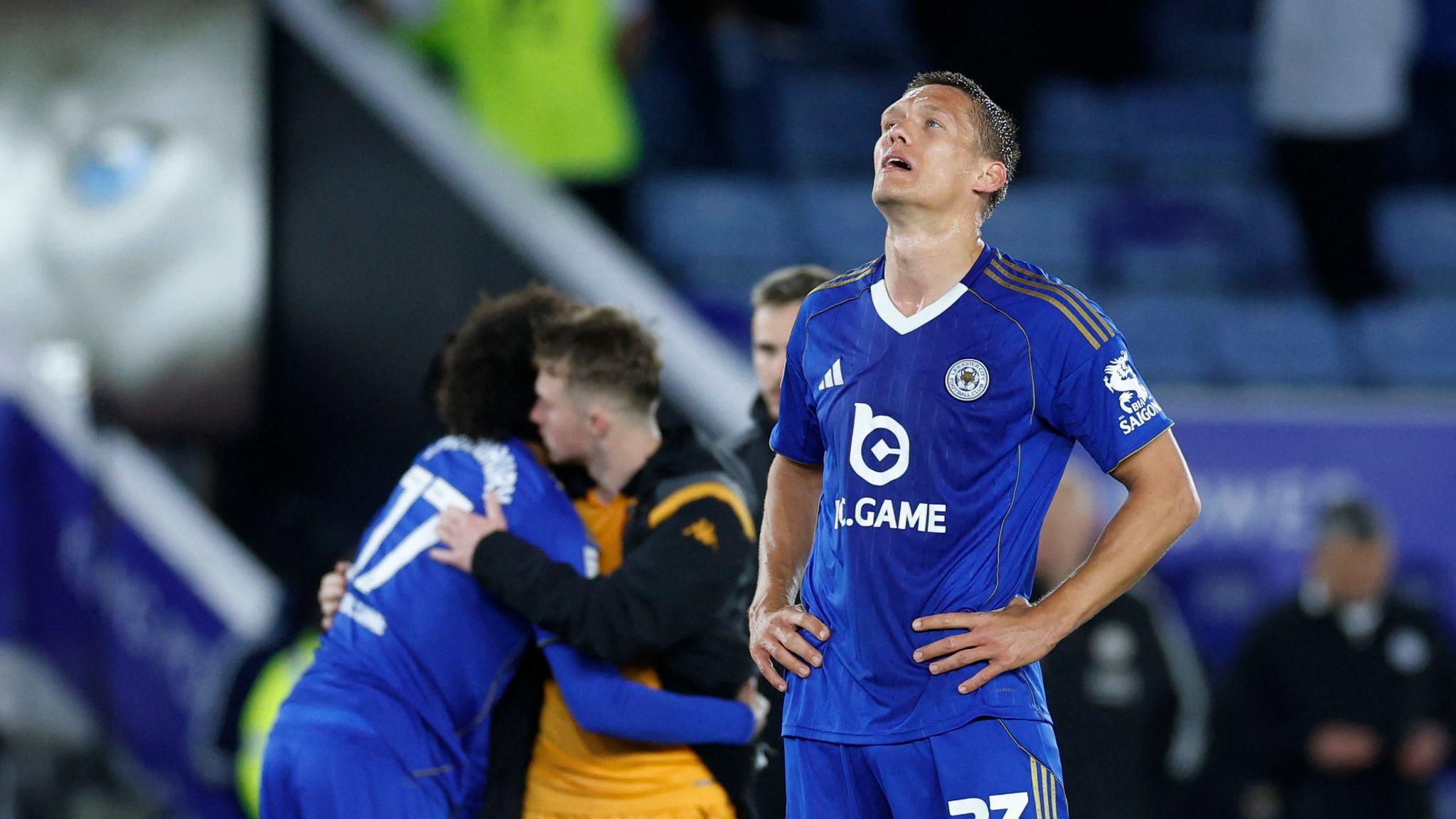
Financial troubles have exacerbated Leicester’s woes. In February 2025, the club faced a six-point deduction for exceeding the Premier League’s allowable losses by over £20 million across three years. Most recently, a staggering pre-tax loss of £71.1 million was reported for the 2024/25 season.
Despite Aiyawatt Srivaddhanaprabha’s ongoing financial support—wiping out hundreds of millions in debt and maintaining one of the Championship’s highest wage bills—the club could not prevent its descent into the third tier.
Why This Matters: The Future of Leicester City
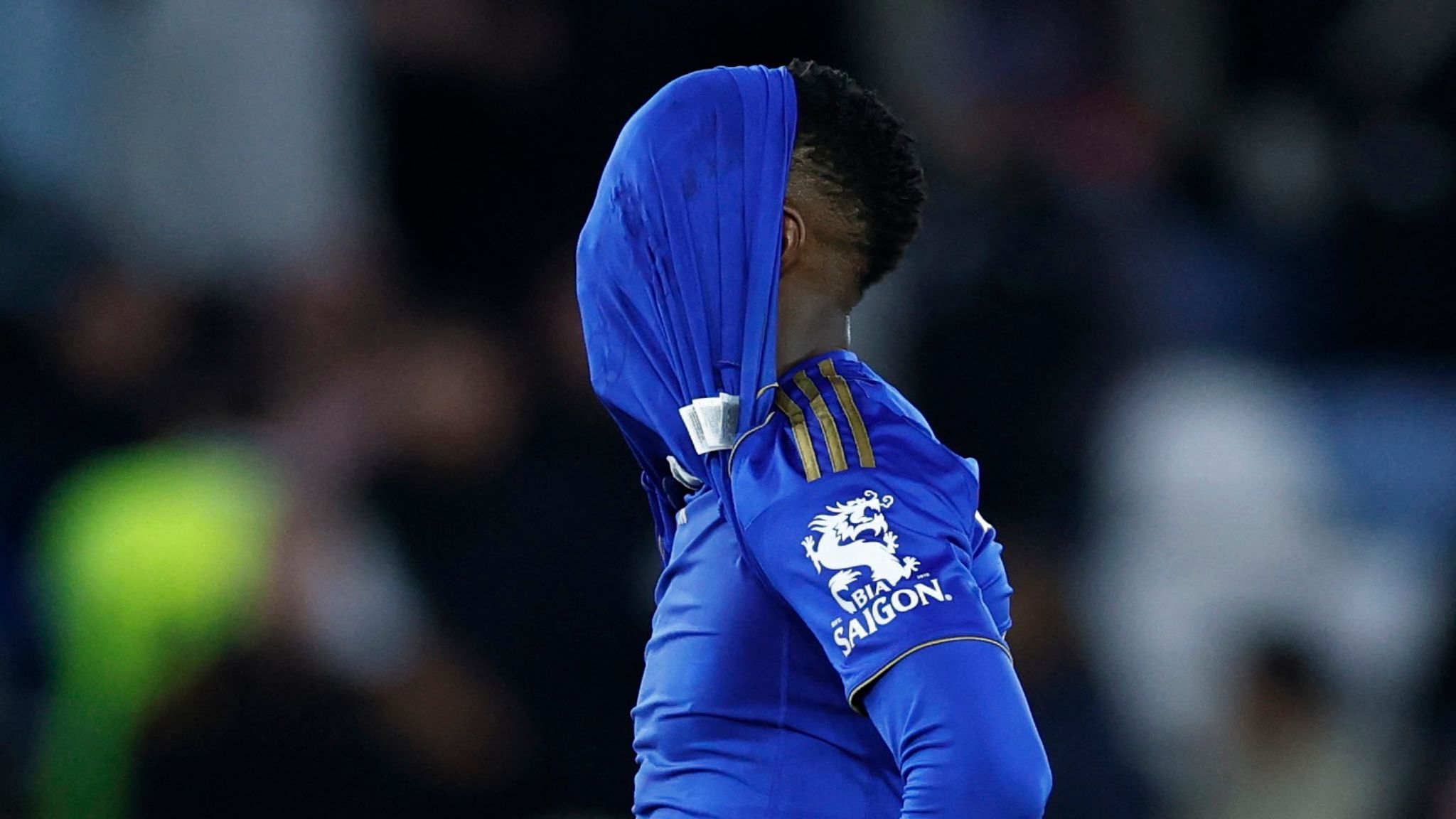
Leicester City’s fall from Premier League champions to League One contenders within a decade highlights the precarious nature of football success. It serves as a stark reminder that extraordinary achievements require sustained management, financial prudence, and stability both on the field and in the boardroom.
For the Foxes, relegation to the third tier carries significant financial consequences, including reduced broadcasting revenues and sponsorship challenges, placing further pressure on the club’s recovery efforts. Additionally, the morale of the fanbase—once riding high on unprecedented victories—is now tested by the harsh realities of lower-league football.
Leicester’s journey underscores the importance of robust long-term planning in football clubs, especially following periods of rapid ascent. The Foxes must now rebuild carefully, balancing ambition with pragmatism as they seek to restore their place among English football’s elite.
While full details of the club’s strategic response remain forthcoming, the story of Leicester City’s rise and fall will endure as one of football’s most compelling narratives—a testament to the sport’s unpredictability and the fragile nature of success.