

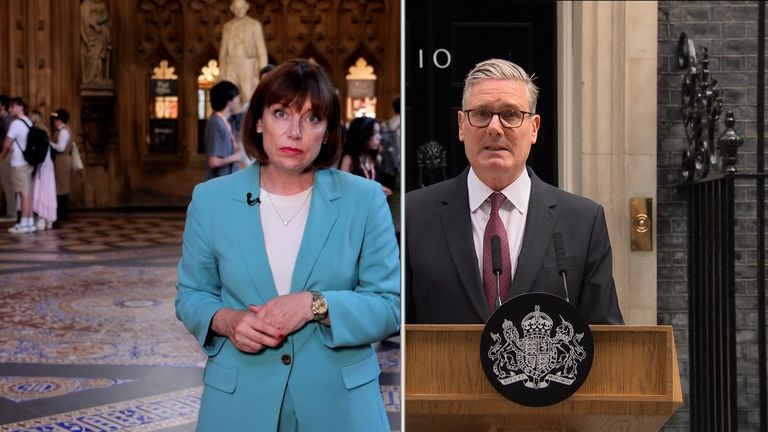
Sir Keir Starmer’s decision to resign did not come out of nowhere. While the Labour Party’s devastating local election losses in May sparked immediate fallout, including a wave of resignations within his cabinet and demands from over 100 MPs for him to step down, the party’s struggles trace back much further. Analyzing the data and political dynamics reveals why Starmer’s leadership became untenable and how his key promises measured up against reality.
What Happened: The Local Election Collapse and Its Fallout
The May local elections served as a stark indicator of Labour’s declining support under Starmer’s leadership. Traditionally a vital barometer for the party’s strength, these elections exposed deep fractures and voter dissatisfaction. Labour lost dozens of council seats across England, failing to make gains in vital swing areas and even ceding ground to smaller parties and the Conservatives.
This electoral disaster fueled a crisis within Labour’s ranks. Several high-profile cabinet members tendered their resignations, signaling internal dissent and a loss of confidence in Starmer’s direction. Simultaneously, a remarkable number of Labour MPs—over 100—publicly called for his resignation, a rare and dramatic move that underscored the party’s turmoil.
These events ignited intense media scrutiny and internal party debates, painting a picture of a leader increasingly isolated and struggling to maintain control amid mounting pressure.
Why It Matters: The Broader Context of Labour’s Decline
Labour’s troubles did not begin with the local elections. Under Starmer’s stewardship, the party has grappled with persistent challenges: defining a clear political identity, reconnecting with traditional working-class voters, and countering the enduring popularity of the Conservative government on certain issues.
Starmer inherited a party still recovering from the seismic shifts caused by Jeremy Corbyn’s leadership, which deeply polarized both the party base and the wider electorate. Attempts to reposition Labour towards the political centre have met resistance internally and skepticism externally, complicating efforts to present a unified front.
Moreover, Starmer’s promises during his leadership campaign set high expectations. He pledged to rebuild trust, strengthen Labour’s grassroots, and present a credible alternative to Boris Johnson’s government. Yet, the electoral setbacks have cast doubt on whether these goals have been achieved.
Assessing Starmer’s Promises Against Election Results
Starmer vowed to bridge divisions within Labour and broaden the party’s appeal. However, the loss of key council seats and the public dissent within his own ranks suggest these objectives remain elusive.
His commitment to tackling economic inequality and improving public services has resonated with some voters but failed to translate into electoral gains. Analysts note that Labour’s messaging often lacked clarity, struggling to differentiate itself from Conservative policies on issues like the economy and national security.
Additionally, internal party rifts over strategy and leadership style have hindered cohesive campaigning efforts, weakening Labour’s ability to capitalize on Conservative controversies and voter dissatisfaction.
What Comes Next: Implications for Labour and UK Politics
Starmer’s resignation opens a critical juncture for Labour. The party faces the urgent task of rebuilding unity and devising a strategy that can restore voter confidence ahead of the next general election.
Leadership changes often bring opportunities for renewal, but they also risk further fragmentation if handled poorly. Labour must address the root causes of its electoral failures—policy clarity, grassroots engagement, and internal cohesion—to regain its footing.
For the broader UK political landscape, Labour’s instability may extend Conservative dominance in the short term, but it also leaves open the possibility of a reenergized opposition emerging.
Looking Ahead: Lessons and Opportunities
Sir Keir Starmer’s resignation highlights the complex challenges modern political leaders face in balancing party unity, voter expectations, and effective governance. It serves as a reminder that electoral success hinges not only on leadership charisma but on delivering tangible results and maintaining a clear, compelling vision.
Labour’s journey forward will depend on its ability to learn from recent failures, rebuild trust with disillusioned voters, and present a coherent alternative that addresses the pressing issues confronting the UK today.
As the party charts its next course, the coming months will be critical in shaping the future of British politics and determining whether Labour can reclaim its position as a formidable force.