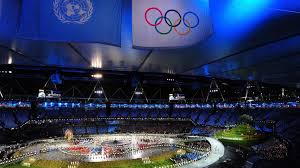
The London 2012 Olympic and Paralympic Games injected a remarkable surge into the UK economy, generating billions in trade and investment gains. Yet, despite this economic triumph, a recent comprehensive report reveals that the sporting legacy, the hoped-for lasting boost to public participation in sports, has fallen short of expectations.
Economic Windfall from the London 2012 Games
The London Olympics of 2012 proved to be far more than a global sporting spectacle; they acted as a powerful catalyst for economic growth across the United Kingdom. According to the latest government-backed research, the Games delivered an extraordinary boost to the UK economy, with trade and investment benefits totaling nearly £10 billion.
The report breaks down this financial windfall into three main contributors: additional export sales generated £5.9 billion, new contracts won by British firms added £1.5 billion, and foreign investment contributed another £2.5 billion. These figures highlight how the Olympic platform showcased British professionalism and innovation to the world, attracting significant business opportunities.
Among the standout examples of foreign investment sparked or accelerated by the Games is the redevelopment of London’s iconic Battersea Power Station. This landmark project is being led by a Malaysian consortium, demonstrating international confidence in the UK’s property and infrastructure sectors. Additionally, global technology giants like the Chinese firm Huawei have initiated projects linked to the Olympic momentum, further embedding London’s status as a global business hub.
Former Prime Minister David Cameron underscored this achievement, stating: “This £9.9 billion boost to the UK economy is a reminder to the world that, if you want the best, if you want professionalism, if you want jobs done on time and on budget then you should think British.” Cameron emphasized that the Games’ legacy extends beyond economic figures, touching on social benefits such as increased volunteering inspired by the Olympic spirit.
Business Secretary Vince Cable defended the robustness of these economic estimates, confirming that the £9.9 billion figure underwent independent auditing and rigorous analysis to exclude investments that would have occurred regardless of the Olympics. Furthermore, government research projects that the long-term economic impact could swell to as much as £41 billion by 2020, illustrating the sustained ripple effect of hosting the Games.

The Elusive Sporting and Volunteering Legacy
While the economic narrative surrounding the London 2012 Olympics is overwhelmingly positive, the sporting legacy, the aspiration to inspire a generation to take up sport and volunteering, has proved more elusive. An exclusive poll conducted for Sky News reveals a sobering reality: the vast majority of Britons remain unmoved to increase their physical activity or volunteer efforts as a result of the Games.
The poll found that 88% of respondents had not been inspired to take up a new sport or recreational activity following the Olympics. Even among those already engaged in sports, 80% reported no increase in their participation. Similarly, 89% of volunteers said they had not expanded the time they donate since the Games.
Only a small minority, 6%, claimed to have increased their sports participation, while 3% admitted to doing less. These figures challenge the notion that the Olympics can dramatically transform public behaviour on a mass scale.
However, there was a more encouraging response among younger demographics. Among 16 to 18-year-olds, 20% reported trying a new sport, 31% said they increased their sporting activity, and 21% dedicated more time to volunteering. This suggests that the Games may have planted seeds of longer-term engagement within younger generations, even if immediate widespread change remains limited.

Public opinion about the Games’ overall value was mixed. When asked if the nearly £9 billion spent on staging the Olympics represented good value for money, 41% responded positively, while 30% disagreed. Opinions on hosting another Olympics in the future were evenly split, with 40% in favour and 40% opposed, reflecting ongoing debate about the costs and benefits of such major events.

Voices from the Olympic Project: Optimism Amid Challenges
Despite these mixed results regarding sporting participation, key figures involved in the Olympics remain optimistic about the legacy’s potential. Lord Sebastian Coe, chairman of the London 2012 organising committee and now the Prime Minister’s legacy ambassador, affirmed his belief that the Games have inspired increased sports involvement, especially among young people.
Lord Coe pointed to longer waiting lists for sports clubs as evidence of growing interest, emphasizing that schools have become a critical battleground for nurturing this momentum. His work visiting primary and secondary schools reveals that physical education teachers and students alike have embraced the Olympic legacy, with many recognizing a powerful new enthusiasm for sport.
Supporting this perspective, Sports Minister Hugh Robertson highlighted data from Sport England showing that 1.4 million more people were participating in sport at least once a week compared to the pre-Olympic period. He acknowledged that the journey to increased participation would not be smooth but insisted that the legacy was “undoubtedly genuine.”

Looking Forward: What the Olympic Legacy Means for Britain
The London 2012 Olympics delivered a resounding economic success story, elevating the UK’s global reputation for hosting world-class events and opening doors to new trade and investment opportunities. This financial impact alone cements the Games as a landmark achievement in British history.
Yet, the sporting and social legacies remain works in progress. While the Games have inspired a notable minority, particularly among youth, to embrace sports and volunteering, broader population shifts in behaviour have yet to materialize. This underscores the challenge of translating the excitement of a global event into sustained grassroots engagement.
Moving forward, continued investment in community sports infrastructure, education, and volunteer programs will be essential to build on the foundation laid by London 2012. The Games demonstrated that with the right vision and coordination, Britain can harness international events to boost its economy and inspire social change. The coming years will reveal how effectively the country converts Olympic inspiration into lasting cultural transformation.