

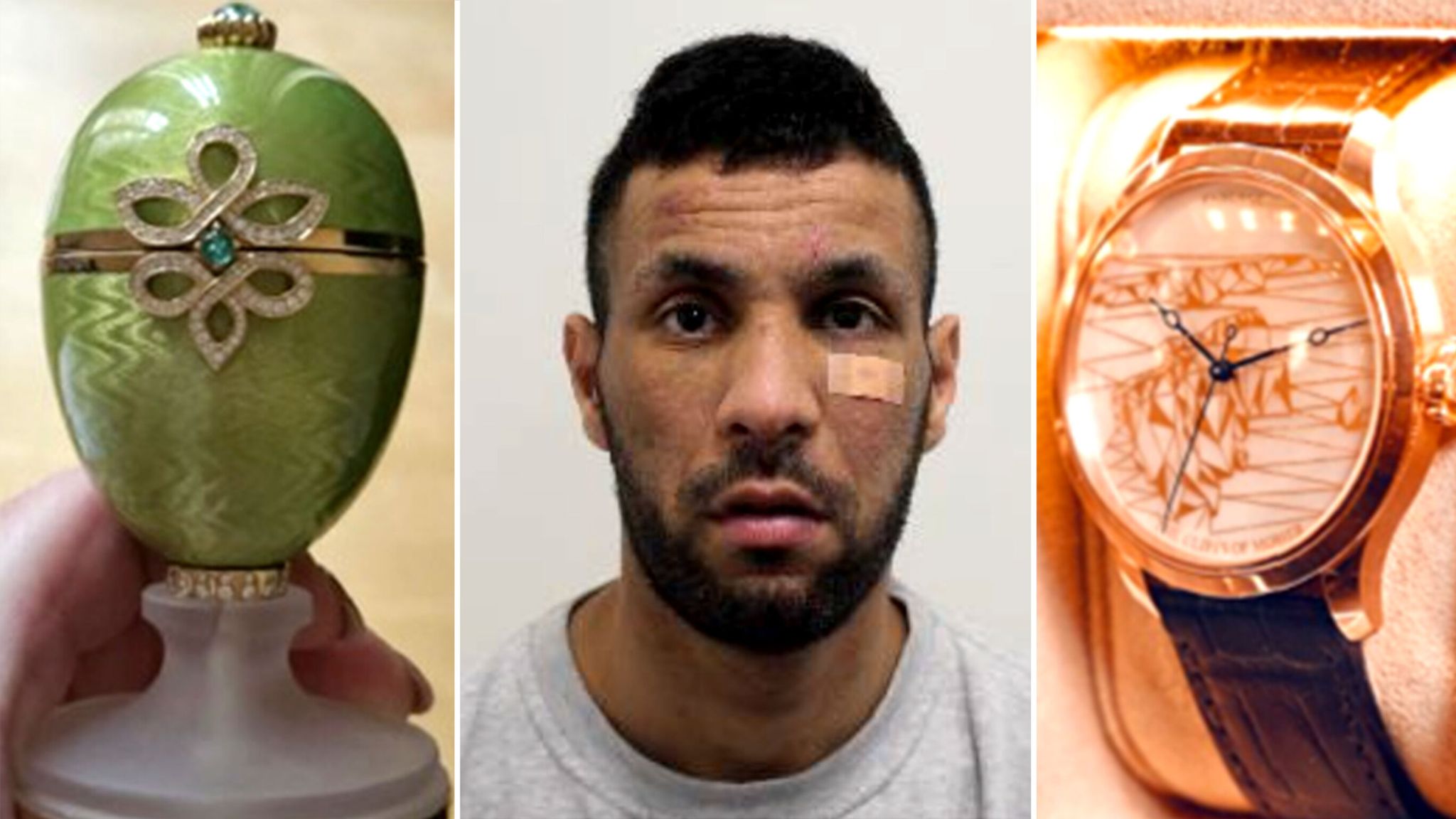
A daring theft in the heart of London’s Soho has culminated in a prison sentence for a man who absconded with a handbag containing a priceless Fabergé egg and a luxury gold watch, collectively valued at around £2 million. The stolen treasures remain missing as authorities continue their search, hoping to recover these exquisite items.
The Heist at a Soho Pub
On 7 November 2024, Enzo Conticello, a 29-year-old man with no fixed address, executed a calculated theft at a Soho pub. The victim was an employee of The Craft Irish Whiskey Company, who had been carrying the handbag after showcasing the valuables at a prior event. Unaware of the imminent crime, she stopped to have a drink, providing Conticello with the opportunity to snatch the bag.
Security camera footage captured Conticello in the act, not only stealing the handbag but also attempting to take another rucksack moments earlier. His brazen behavior extended beyond the initial theft; he was recorded using credit cards from the stolen bag to purchase cigarettes and other items.
The Priceless Contents and Their Significance
The handbag contained more than just cash and cards. It held a bespoke Fabergé egg, a gold watch, and a laptop—items collectively appraised at a staggering $2.8 million (£2.1 million). These were not ordinary possessions but part of an exclusive collaboration between The Craft Irish Whiskey Company and the renowned Fabergé brand.
The whiskey company had commissioned seven unique Fabergé eggs, each intricately decorated with a distinct gemstone encircled by a diamond Celtic knot, symbolizing Irish heritage and craftsmanship. The collection was tied to a high-end whiskey line, blending artistry with luxury spirits. The gold watch paired with the egg further emphasized the exclusive nature of this collaboration.
The Investigation, Arrest, and Sentence
Following the theft, Metropolitan Police launched an extensive investigation. Despite Conticello’s refusal to disclose the whereabouts of the stolen items, the police tracked his movements over the ensuing year. He was apprehended after being detained in Belfast under a different alias for an unrelated theft.
In February 2025, Conticello pleaded guilty to theft and multiple counts of fraud by misrepresentation. At Southwark Crown Court, the judge remarked on the audacity of the crime, noting, “I expect it was probably quite a surprise to you when you discovered that egg.”
Conticello received a prison sentence of two years and three months, reflecting the severity and high-profile nature of the theft.
Ongoing Search and Public Appeal
Despite the conviction, the stolen Fabergé egg and gold watch remain missing. Detective Constable Arben Morina emphasized the importance of recovering these irreplaceable objects, stating, “The defendant never explained to the police what he did with the expensive jewellery.” The investigation continues as authorities urge anyone with information to come forward.
Earlier, a 25-year-old man was arrested on suspicion of handling stolen goods linked to these items after an inquiry into their value. However, after reviewing the evidence, authorities decided against pursuing further action against him.
Why This Theft Matters
This case highlights the vulnerability of high-value cultural and luxury items, even when protected by security measures and public events. The Fabergé eggs, with their rich history dating back to the Russian Imperial era, represent not only immense monetary value but also significant artistic and cultural heritage.
The collaboration between The Craft Irish Whiskey Company and Fabergé was a bold statement blending tradition and innovation, amplifying the importance of the stolen items beyond mere luxury. Their loss affects not just the company and its patrons but also the broader art and collectibles community.
Looking Ahead
As the search for the stolen Fabergé egg and gold watch continues, this case serves as a reminder of the ongoing challenges law enforcement faces in combating art and luxury theft. Recovering these unique artifacts remains a priority for police and the whiskey company alike.
For now, the public’s help could prove crucial in locating these treasures and restoring them to their rightful owners. Until then, the story stands as a cautionary tale about the risks inherent in safeguarding rare and priceless items in public settings.