

As an intense heatwave grips southern England, thousands of residents in Kent and Sussex are confronting significant water supply disruptions. The soaring temperatures have pushed local water reservoirs to critically low levels, forcing authorities to deploy emergency water tankers and issue urgent warnings to conserve water.
Critical Water Levels in Whitstable and Herne Bay
Communities such as Whitstable and Herne Bay in Kent are at the forefront of the crisis, with storage reservoirs struggling to meet demand amid the relentless heat. These areas have seen reservoir levels plummet to dangerously low thresholds, triggering operational challenges for water suppliers.
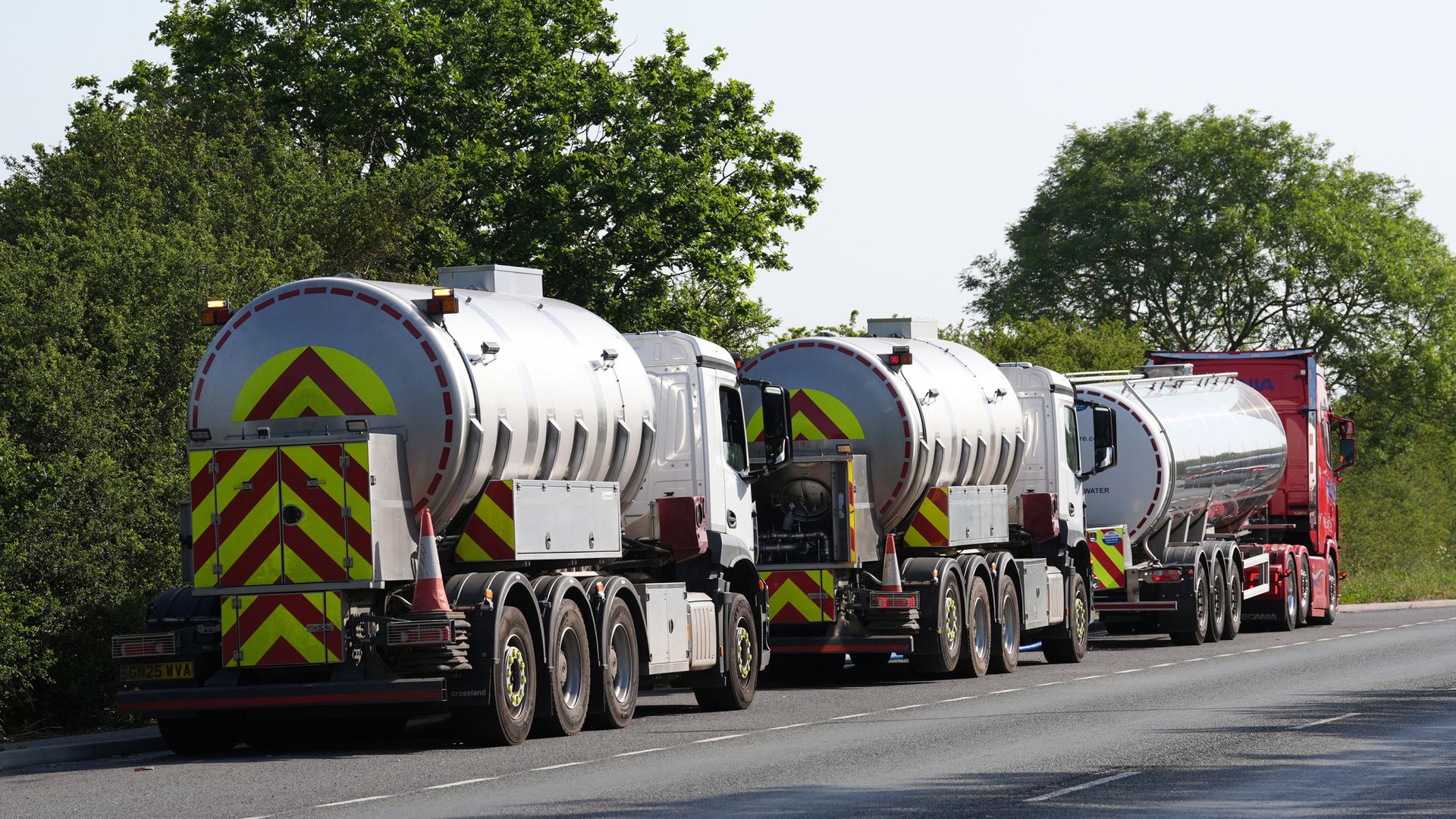
The prolonged dry spell has drastically reduced natural replenishment rates, while the unprecedented surge in water consumption due to the heatwave has led to acute shortages. As a result, water companies have mobilized fleets of tankers to deliver essential supplies directly to affected neighborhoods, attempting to bridge the gap created by depleted reservoir capacities.
Why Water Supply Disruptions Are Worsening During the Heatwave
The current heatwave has intensified water demand across the region, with households and businesses using far more water for hydration, irrigation, and cooling than usual. This spike comes at a time when natural water sources have been severely strained by prolonged dry conditions.
Kent and Sussex’s infrastructure, designed for typical seasonal fluctuations, is now under unprecedented pressure. Reservoirs that usually serve as buffers against temporary dry spells are nearly empty, leaving little margin for error. The combination of dwindling supply and skyrocketing demand has created a precarious situation for water management authorities.
Furthermore, the heatwave’s impact extends beyond consumption. High temperatures increase evaporation rates from reservoirs and open water bodies, further diminishing available supplies. This natural loss exacerbates the challenge of maintaining adequate water levels for public and environmental needs.
Measures Taken and What Residents Should Expect
In response to the crisis, water companies have ramped up emergency measures to maintain supply continuity. These include deploying water tankers to deliver potable water, prioritizing critical services, and issuing advisories encouraging residents to adopt strict water conservation practices.
Authorities are urging households to limit non-essential water use, such as garden watering, car washing, and filling paddling pools. Simple actions like fixing leaks, turning off taps while brushing teeth, and taking shorter showers can collectively make a significant difference.
While the current measures aim to mitigate the immediate risks, water suppliers warn that the situation remains fragile. Continued high temperatures and low rainfall could prolong shortages, making community cooperation essential to avoid more severe restrictions.
Why This Water Crisis Matters
The ongoing water shortages in Kent and Sussex highlight the vulnerability of local water infrastructure to extreme weather events intensified by climate change. As heatwaves become more frequent and intense, managing limited water resources sustainably will be critical to protect public health, support ecosystems, and maintain economic stability.
This situation serves as a stark reminder that even developed regions can face severe challenges in securing basic resources like water during environmental extremes. The crisis underscores the importance of investing in resilient water management systems and promoting public awareness about conservation.
Looking Ahead: Preparing for Future Heatwaves
Water authorities and local governments are now evaluating longer-term strategies to bolster resilience against future heatwaves. These may include expanding reservoir capacity, upgrading infrastructure to reduce leakage, implementing advanced water recycling technologies, and enhancing drought response plans.
Meanwhile, residents are advised to stay informed about local water conditions and comply with any restrictions or guidance issued by authorities. Collective action remains the most effective tool to navigate this challenging period and minimize the impact on communities.
The heatwave-induced water shortages in Kent and Sussex emphasize the critical need for proactive water management and community engagement as climate patterns evolve. Maintaining vigilance and adapting resource use will be essential to secure water availability for all in the face of increasing environmental pressures.