

Starting July 1, 2024, thousands of new restaurants, office buildings, and shopping centers across England will be legally required to install single-sex toilets. This landmark change aims to address growing concerns about safety, privacy, and dignity in public restrooms, marking a significant shift in how public facilities are designed and regulated.
What the New Regulations Entail
The government’s updated building regulations will mandate that all newly constructed or extensively renovated commercial properties include separate toilets designated specifically for men and women. This move reverses recent trends favoring gender-neutral restrooms and responds to feedback from various groups advocating for clearer, single-sex facilities.
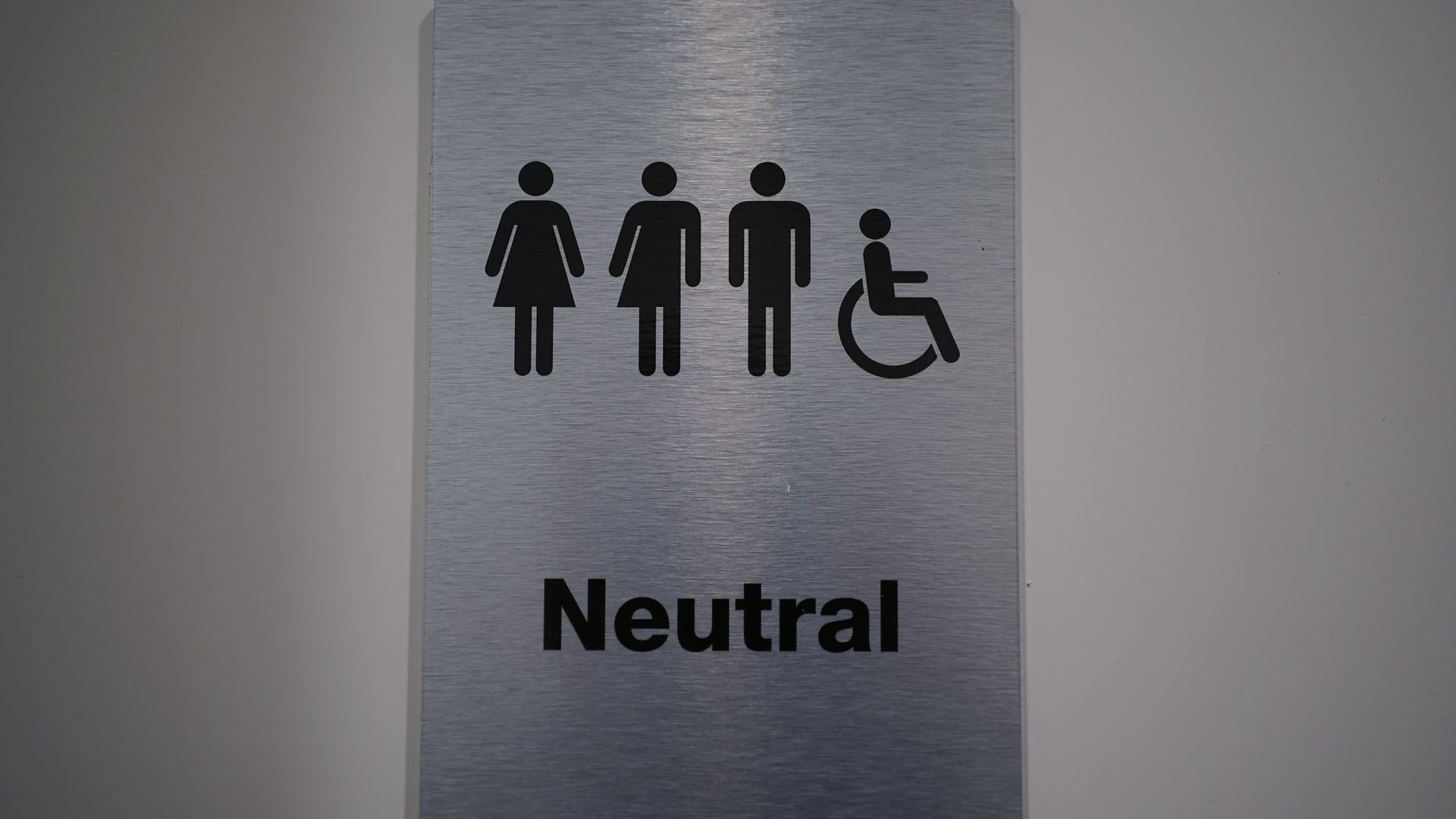
Previously, many modern buildings opted for gender-neutral toilets to promote inclusivity and reduce space. However, this approach raised concerns among certain groups who argued that mixed-sex restrooms can compromise personal privacy and safety. The new rules strive to balance inclusivity with these important considerations by ensuring dedicated single-sex options remain widely available.
The policy applies to new developments such as restaurants, offices, and shopping centers, affecting a substantial number of premises across England. Existing buildings are not required to retrofit their restrooms but must comply with the rules when undertaking major renovations or expansions.
Why This Change Matters
Government officials emphasize that the revised regulations will alleviate safety and dignity issues that have surfaced in gender-neutral facilities. Advocates for single-sex toilets argue that such spaces provide essential privacy, particularly for vulnerable individuals, including women and children, who may feel uncomfortable or at risk in shared restrooms.
In recent years, debates around restroom design have intensified, reflecting broader societal conversations about gender identity and inclusivity. While gender-neutral toilets aim to accommodate transgender and non-binary individuals, critics contend they can unintentionally create environments where personal boundaries are less clear. The government’s decision attempts to address these complex dynamics by ensuring that single-sex options remain a standard feature.
Public safety experts also highlight that separate facilities can reduce incidents of harassment or intimidation, contributing to a safer and more respectful atmosphere for all users. This change responds directly to such concerns, signaling a commitment to safeguarding privacy without undermining inclusivity.
What Comes Next: Implementation and Impact
Building owners and developers now face the task of adapting their designs to comply with the July 2024 deadline. Architects and planners will need to incorporate single-sex toilets into their blueprints, potentially affecting building layouts and costs. However, the government believes these adjustments are necessary to uphold fundamental rights to privacy and safety.
For businesses, this change may require additional investment during construction or renovation phases, but it also offers clarity and consistency in restroom provisions. Consumers can expect to see more clearly marked, gender-specific restrooms in new venues, which may enhance comfort and confidence in public spaces.
Community groups, advocacy organizations, and industry stakeholders will undoubtedly continue to engage with the government on the practicalities and impacts of this policy. Monitoring its effects will be crucial to ensuring that it meets its intended goals without inadvertently excluding or disadvantaging any groups.
Looking Ahead: Balancing Inclusivity with Privacy
The upcoming enforcement of single-sex toilet requirements in England represents a pivotal moment in public facility design. It highlights the ongoing challenge of creating spaces that respect diverse identities while protecting individual privacy and safety.
As society navigates these complex issues, this policy sets a clear standard for new developments. It underscores the importance of thoughtfully considering the needs of all restroom users and signals a government commitment to fostering safe, dignified environments.
While full details on enforcement and compliance monitoring remain forthcoming, this change marks a significant step toward addressing longstanding concerns about public restroom safety and privacy. The coming months will reveal how effectively this balance is achieved in practice and how the policy shapes future discussions on inclusive facility design.