In a tense incident off the coast of Gosport, three individuals now face charges for assaulting an emergency worker amid protests surrounding the rescue of a migrant boat at sea. The confrontation underscores the heightened emotions and complexities surrounding migrant arrivals in the UK.
What Happened During the Gosport Migrant Boat Rescue
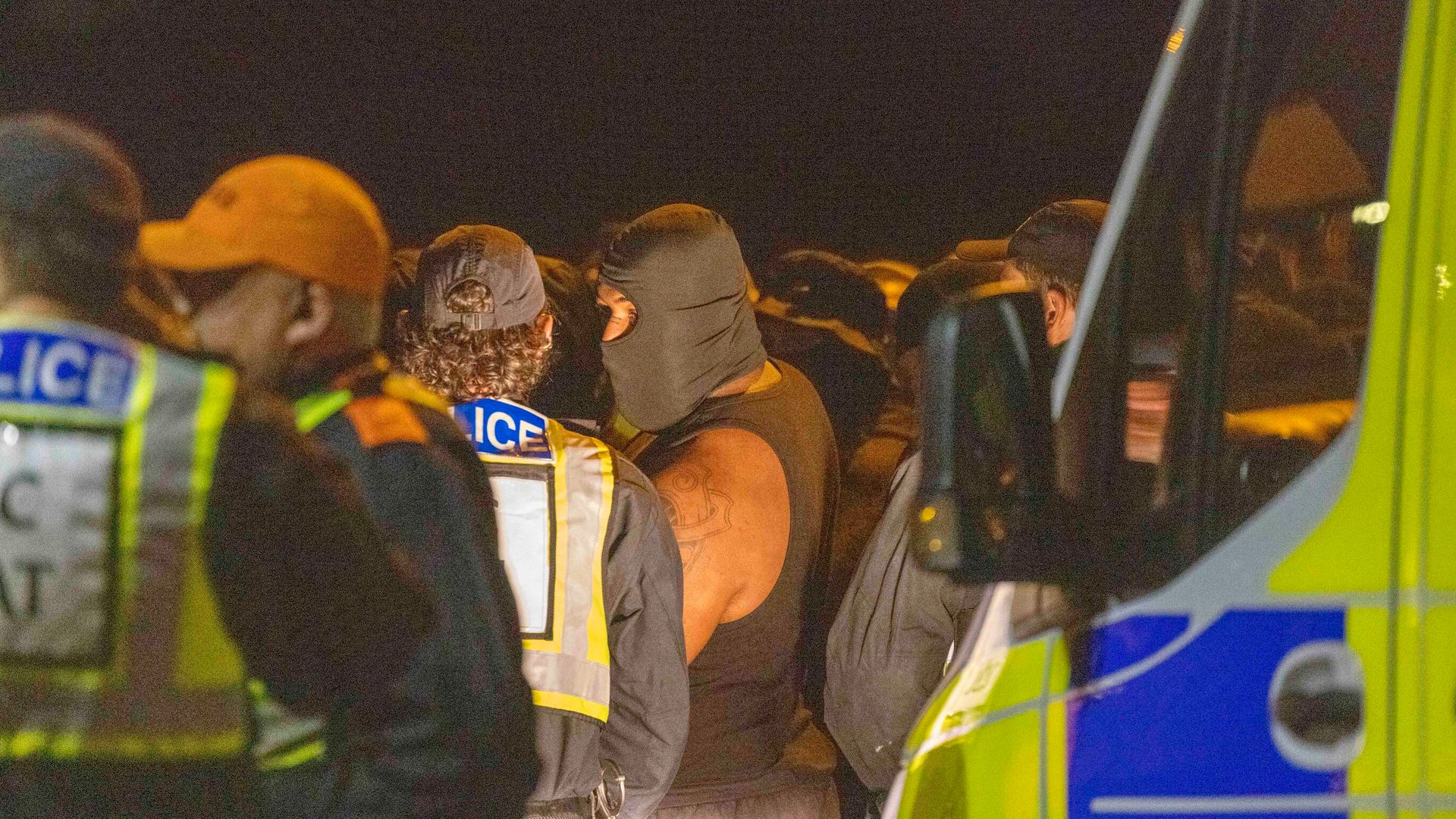
Authorities were conducting a maritime rescue operation when a boat carrying migrants was intercepted near Gosport’s coastline. As emergency services worked to bring the migrants to safety, a protest erupted onshore. The demonstration quickly escalated, leading to an altercation where an emergency worker was physically attacked.
The emergency worker, whose role was crucial in aiding the migrants, was assaulted by protesters opposing the rescue efforts. Law enforcement responded promptly to the situation, detaining three suspects involved in the assault. These individuals have since been formally charged, reflecting the seriousness with which authorities are treating assaults on frontline responders.
Context: Migrant Arrivals and Public Response
The UK has witnessed a significant increase in migrant crossings via small boats in recent years, particularly across the English Channel. This trend has sparked widespread debate and divided public opinion, often leading to protests at landing sites and reception centers.
Gosport, a coastal town in Hampshire, has become one of several locations where migrant boats have been rescued and disembarked. The presence of migrants and the associated rescue operations frequently draw protests from groups opposed to immigration policies or concerned about local impacts.
Emergency workers, including coastguards and paramedics, often find themselves at the nexus of these tensions. Their primary responsibility remains saving lives and providing care, but they sometimes face hostility from protesters expressing frustration or political dissent.
Why This Incident Matters: Protecting Emergency Responders and Managing Tensions
The assault on an emergency worker during the Gosport migrant boat rescue highlights the risks frontline responders face in volatile situations. Emergency personnel play an indispensable role in humanitarian operations, and protecting their safety is critical to ensuring continued effective responses.
Charging those responsible sends a clear message that violence against emergency workers will not be tolerated, regardless of the political context. It also emphasizes the importance of maintaining order during sensitive operations involving migrants, where emotions can run high.
Moreover, this incident reflects broader societal challenges around migration management, public sentiment, and the need for constructive dialogue. As the UK continues to grapple with irregular migration, balancing security, humanitarian obligations, and community concerns remains a complex task.
Looking Ahead: What Comes Next
The three individuals charged with assaulting the emergency worker will face legal proceedings, underscoring the justice system’s role in upholding the safety of public servants. Authorities are also likely to review security measures at rescue sites to prevent similar incidents in the future.
For the broader community, this episode serves as a reminder of the delicate nature of migrant rescues and the importance of supporting emergency services. Ensuring that lifesaving operations can proceed without interference is vital for protecting vulnerable migrants and the responders who aid them.
As migration patterns continue to evolve, fostering mutual understanding and respect between all stakeholders—including residents, migrants, and emergency workers—will be crucial for managing these challenges peacefully and effectively.
In summary, the assault charges following the Gosport migrant boat protest highlight the intersection of humanitarian rescue efforts and public tensions. Protecting emergency workers and addressing the root causes of such conflicts remain essential priorities moving forward.