

A harrowing incident unfolded at a Cambridgeshire zoo when a three-year-old boy found himself inside the crocodile enclosure, sustaining serious injuries. Authorities have since confirmed that the child is now in stable condition following the attack, providing a measure of relief to the community and the boy’s family.
What Happened at the Zoo?
The exact circumstances leading to the young boy’s entry into the crocodile habitat remain under investigation. Reports indicate that the child somehow gained access to the enclosure, where crocodiles reside, resulting in a severe and potentially life-threatening encounter. Emergency services responded promptly, transporting the child to a nearby hospital for urgent medical care.
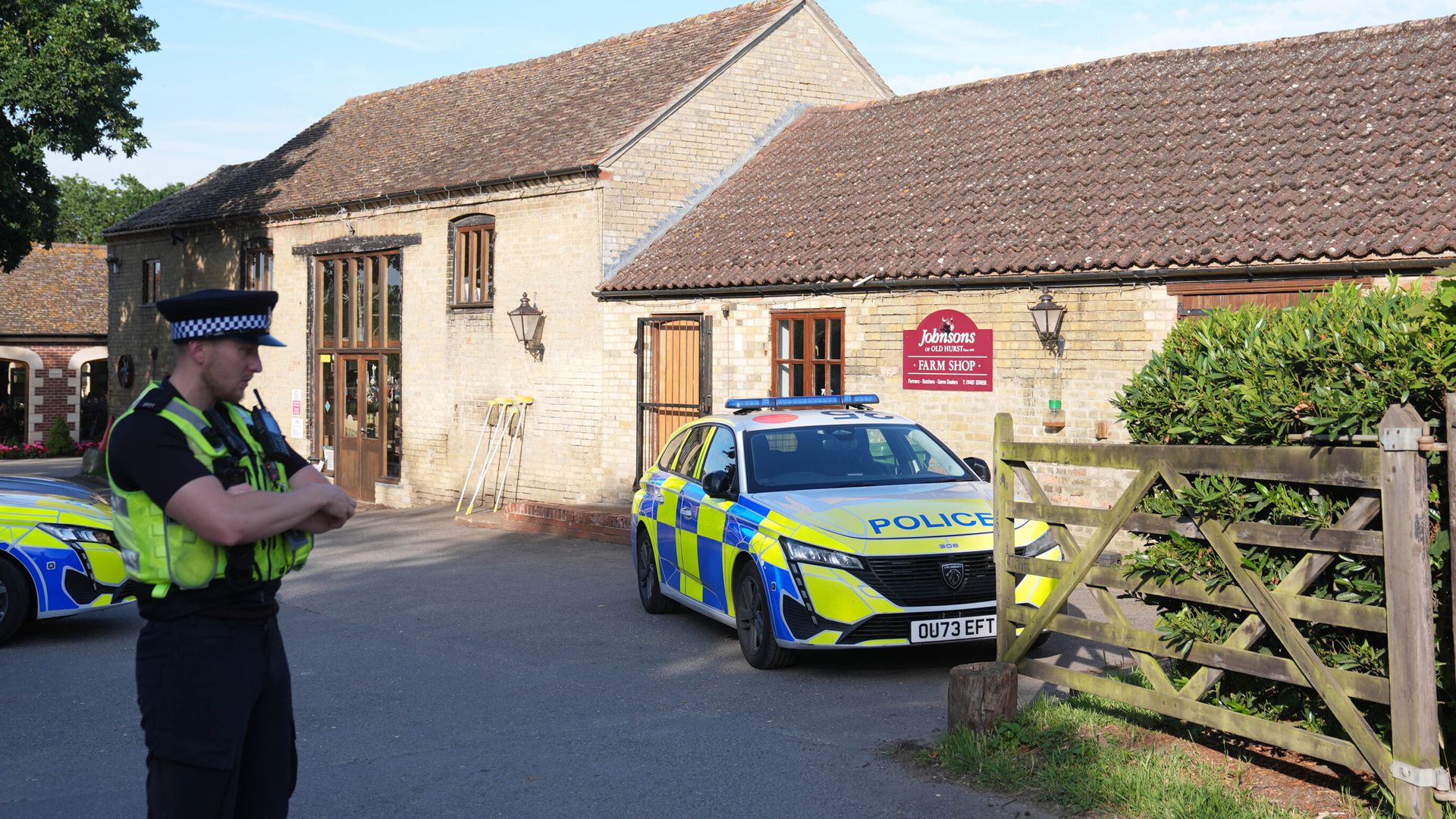
The zoo, which houses a variety of exotic animals including multiple crocodiles, has temporarily closed the affected area as safety protocols are reviewed. Visitors and staff were understandably shaken by the incident, underscoring the inherent risks of close proximity to wild animals despite stringent safety measures.
Why This Incident Matters
This event raises critical questions about zoo safety standards, especially concerning enclosures for dangerous animals. Crocodiles are apex predators with powerful jaws and swift movements, making any breach of their habitat a grave danger to humans, particularly young children.
Zoos worldwide implement rigorous barriers and surveillance to prevent such incidents. However, this case highlights the need for ongoing assessment and enhancement of security measures to protect both visitors and animals. The safety of vulnerable visitors, like toddlers, depends heavily on these precautions.
Furthermore, the emotional and psychological impact on the child’s family and witnesses cannot be understated. Such traumatic experiences often lead to calls for stricter regulations and improved educational efforts about wildlife dangers.
What Comes Next for the Zoo and the Victim?
Authorities are conducting a thorough investigation to determine how the toddler accessed the crocodile enclosure. This includes reviewing zoo layout, staff supervision, visitor movements, and any potential lapses in security infrastructure. The findings will inform necessary corrective actions to prevent future occurrences.
The zoo management has pledged full cooperation with investigators and expressed commitment to enhancing visitor safety. They are also offering support to the family affected by this distressing accident.
Meanwhile, the young boy remains hospitalized but stable, receiving specialized care to address his injuries. Medical teams are closely monitoring his recovery progress, hopeful for his eventual full rehabilitation.
Why This Incident Resonates Beyond the Zoo
Incidents involving wild animals and human injury often prompt wider discussions about public safety in zoological and wildlife settings. This case serves as a stark reminder of the fine balance between educational wildlife exposure and the imperative to safeguard human life.
Zoos play a vital role in conservation and education, offering glimpses into the animal kingdom that most people cannot experience otherwise. Yet, these institutions bear the heavy responsibility of ensuring that such encounters never escalate into harm.
For families, this event underscores the importance of vigilant supervision in environments where children interact with potentially dangerous animals. It also calls on zoo operators to continually adapt safety protocols and infrastructure to evolving risks.
Looking Forward
As the investigation unfolds and the community rallies around the injured boy and his family, the Cambridgeshire zoo faces a pivotal moment to reaffirm its commitment to safety and trust. Enhancing protective measures while maintaining the educational mission will be paramount.
Ultimately, this incident highlights the critical intersection of human curiosity, wildlife interaction, and the uncompromising need for safety. It serves as a powerful lesson for zoos and visitors alike, emphasizing vigilance, preparedness, and respect for the natural instincts of wild animals.
The boy’s stable condition offers hope amid the tragedy, reminding us of the resilience of the human spirit and the importance of swift emergency response. As he continues his recovery, the incident will likely shape future policies and precautions in zoos across the country.