

Micheal Ward, widely recognized for his role in the acclaimed series Top Boy, has firmly denied accusations of raping a woman in a car following an encounter at a nightclub. The actor appeared in court to assert that the sexual encounter was entirely consensual, challenging the serious allegation brought against him.
The Incident and Court Proceedings
The case centers around an alleged incident where the prosecution claims that Ward sexually assaulted a woman inside a vehicle after meeting her at a nightclub. During the court hearing, Ward rejected these claims, stating that the sexual activity was consensual and occurred with mutual agreement. His defense underscores the importance of consent and rejects any suggestion of coercion or force.
The proceedings have drawn significant public interest due to Ward’s rising profile as a talented actor known for his compelling performances on screen. As the legal process unfolds, the court will carefully examine evidence and testimonies to ascertain the truth behind the allegations.
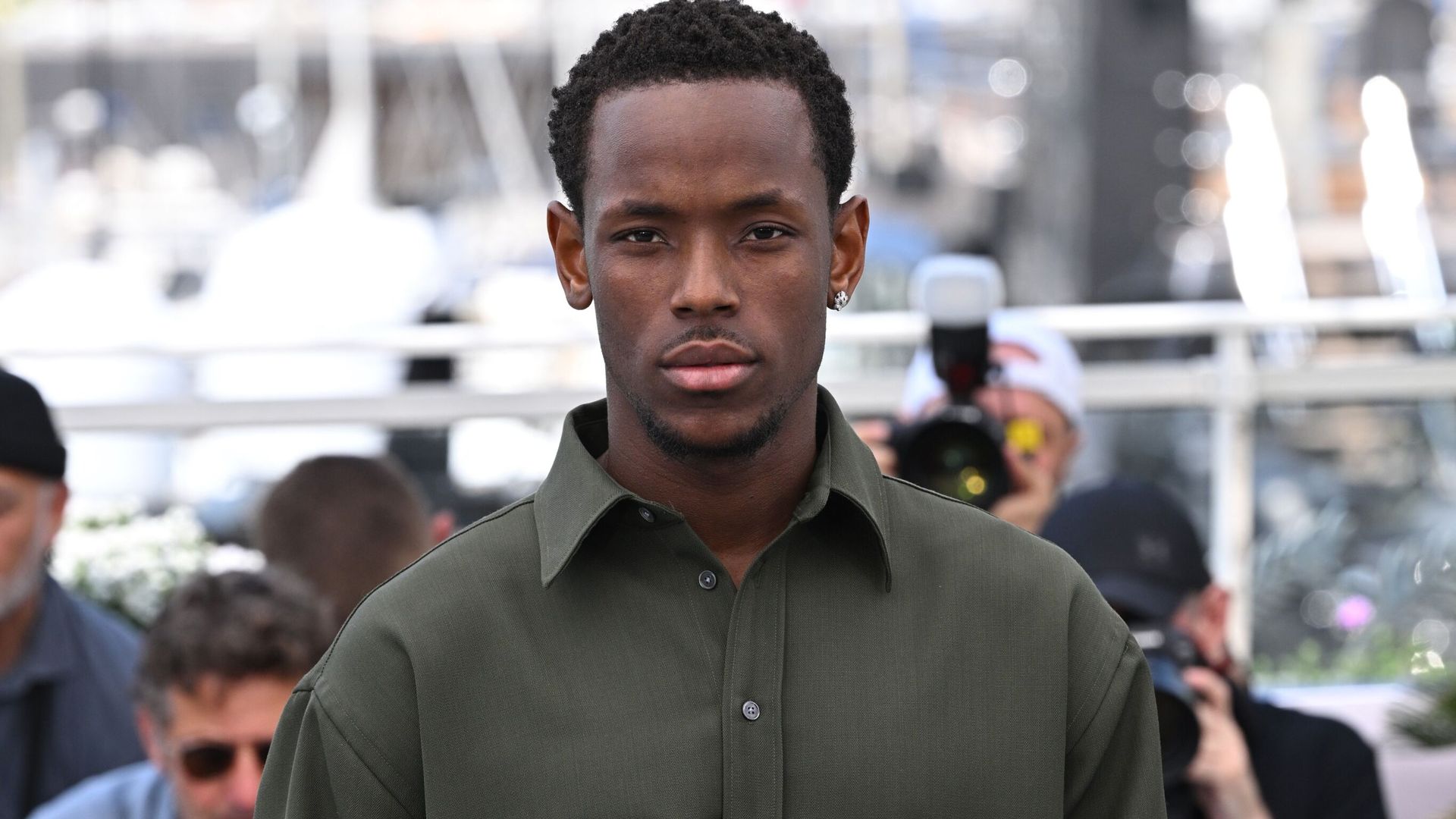
Background on Micheal Ward and the Importance of Consent
Micheal Ward has established himself as a prominent figure in British television and film, with Top Boy catapulting him into the spotlight. His portrayal has been praised for its authenticity and depth, making this legal matter particularly significant within the entertainment community.
Cases involving accusations of sexual assault often hinge on the complex issue of consent, a legal and ethical cornerstone in such trials. Consent must be clear, voluntary, and informed, and the courts rigorously assess all circumstances to determine whether these criteria were met. Ward’s insistence on consensual engagement highlights the nuanced nature of these proceedings.
Why This Case Matters and What Comes Next
This case exemplifies the broader societal conversation about sexual misconduct, accountability, and the justice system’s role in protecting victims while ensuring fair treatment of the accused. Public figures like Ward face intense scrutiny, making impartial and thorough investigations essential to uphold justice and public confidence.
As the trial continues, both the prosecution and defense will present evidence, witness statements, and expert opinions to build their cases. The outcome will have significant implications not only for Ward’s career but also for public perceptions of sexual assault allegations involving celebrities.
Legal experts note that such cases require careful balancing of rights, emphasizing that allegations must be taken seriously while maintaining the presumption of innocence until proven guilty. The court’s verdict will ultimately depend on the strength of the evidence and the credibility of testimonies presented during the trial.
Looking Ahead: The Impact and Broader Context
The allegations against Micheal Ward serve as a reminder of the complex challenges surrounding sexual assault cases, especially those involving high-profile individuals. The court’s decision will contribute to ongoing discussions about consent, victim protection, and how the legal system navigates sensitive cases under the public eye.
For Ward, the trial represents a critical juncture that could influence his future in the entertainment industry. Meanwhile, the case underscores the importance of ensuring justice is served fairly and transparently, reinforcing societal values around respect and personal boundaries.
As this case progresses, it will be closely watched by both the public and industry insiders, with the hope that the judicial process will deliver a just and conclusive resolution.