

The heart-wrenching loss of a 14-year-old boy who drowned at a dock in London on Monday has sent shockwaves through the local community and raised urgent questions about water safety in urban areas. Authorities confirmed the boy’s death, marking a somber reminder of the dangers posed by open water spaces, especially for young people.
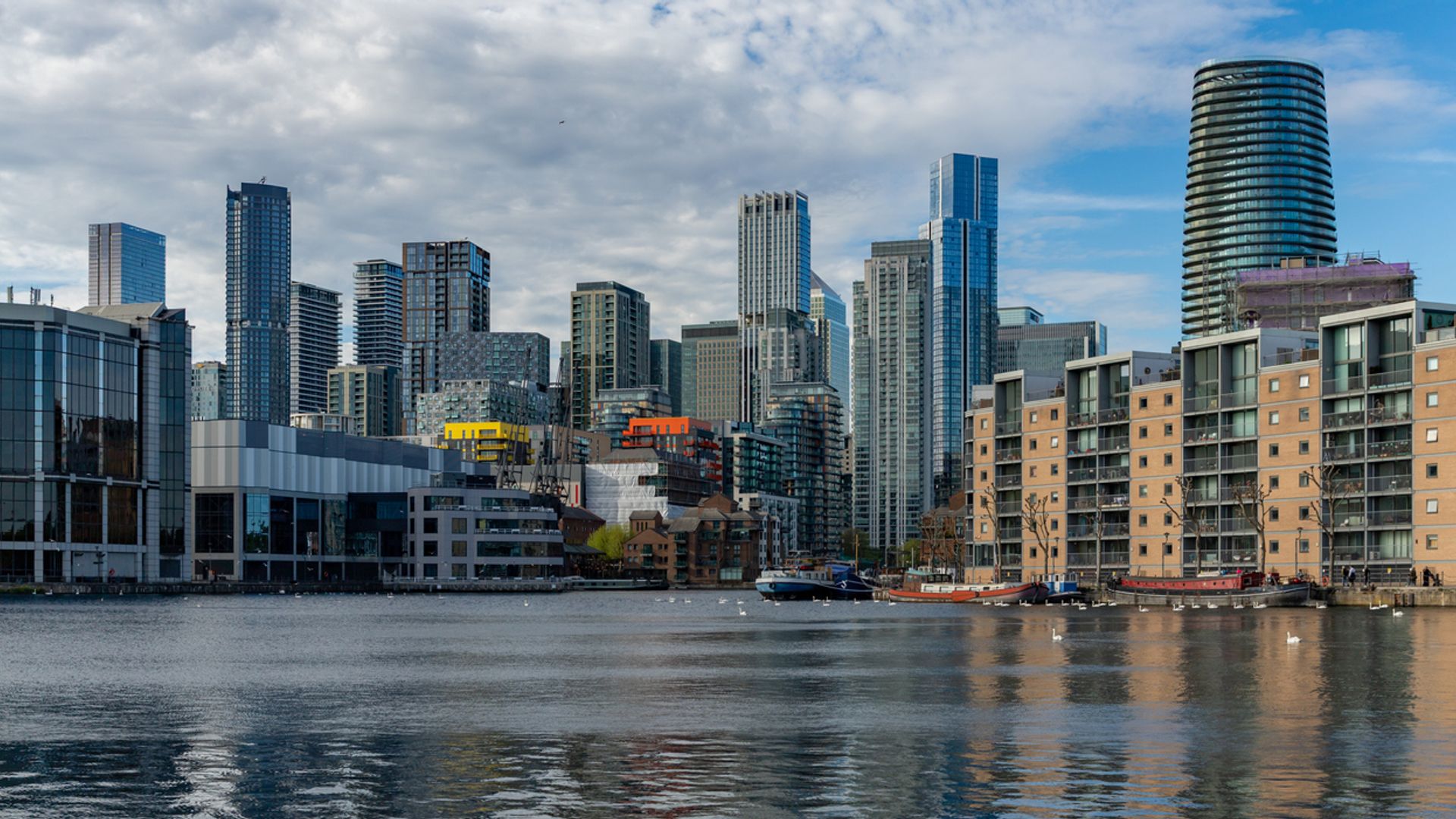
What Happened: The Incident at the London Dock
On Monday, emergency services responded swiftly to reports of a drowning at a dock in London. Despite immediate rescue efforts, the 14-year-old boy tragically lost his life. The exact circumstances surrounding the incident remain under investigation, with police working to piece together the timeline and factors that led to this fatal accident.
Dock areas in London often attract young people for leisure, but they can be perilous without adequate supervision or safety measures. The location of the incident has not been disclosed in detail, but authorities have emphasized the necessity of vigilance around water bodies in urban environments, especially for children and teenagers who may underestimate the risks involved.
Why It Matters: Addressing Water Safety and Prevention
This tragedy underscores the critical need for enhanced safety protocols around docks and waterways. London boasts an extensive network of canals, rivers, and docks that are integral to the city’s history and recreation. However, these areas can become deadly without proper barriers, clear signage, and community awareness.
Young people are particularly vulnerable to drowning due to factors such as lack of swimming skills, peer pressure, and accidental falls. Experts stress the importance of swimming education in schools and community programs, as well as parental and guardian supervision near water.
Local authorities often run campaigns during warmer months to remind residents of water safety practices, but incidents like this highlight that more comprehensive strategies may be necessary. This includes investing in infrastructure improvements, emergency response readiness, and public education initiatives targeting high-risk areas.
What Comes Next: Investigations and Community Response
Police have launched a full investigation into the circumstances leading to the boy’s drowning. This will involve gathering witness accounts, reviewing any available footage, and assessing whether any safety regulations were overlooked or violated. The goal is to prevent similar tragedies in the future through informed policy and enforcement.
Community leaders and residents have expressed profound grief and solidarity with the family affected by this loss. Many are calling for increased safety measures at docks and waterways to protect children and teenagers who frequent these spaces.
Support services are being offered to those impacted by the incident, including counseling and outreach programs aimed at raising awareness about water safety. Schools and local organizations are likely to intensify efforts to educate youth on the risks of unsupervised water activities.
Looking Ahead: The Importance of Vigilance and Education
The drowning of a young boy in London is a stark reminder of how quickly recreational environments can turn deadly without proper precautions. It serves as a call to action for policymakers, community groups, and families alike to prioritize water safety and ensure that young people have the knowledge and resources to stay safe.
As investigations continue, the hope is that this tragedy will lead to stronger protective measures and a community-wide commitment to preventing such heartbreaking events. Ensuring safe access to urban waterways requires concerted effort, from improving physical safety infrastructure to fostering a culture of awareness and respect for the dangers of water.
Ultimately, every child deserves the chance to enjoy their surroundings without risk to their life. The lessons learned from this incident must fuel ongoing initiatives that safeguard London’s youth and honor the memory of the young boy who lost his life.