

Britain is on alert as an intense heatwave approaches, bringing the potential for unprecedented “tropical night” temperatures early next week. Meteorologists have issued an extreme heat warning, forecasting soaring humidity levels and daytime highs exceeding 34°C (93°F), a rare phenomenon for the UK climate.
What’s Driving This Unusual Heatwave?
The upcoming heatwave is characterized not only by its high daytime temperatures but also by the significant humidity that will make the warmth feel even more oppressive. The term “tropical night” refers to evenings when temperatures do not drop below 20°C (68°F), a condition nearly unheard of in much of Britain.
This surge in heat is driven by a mass of warm air moving north from continental Europe, combined with moist conditions that trap heat overnight. The combination of these factors is expected to push temperatures to levels more commonly associated with southern Europe or tropical climates.
Experts warn that the persistence of these elevated temperatures, especially during the night, can disrupt sleep patterns, increase health risks, and strain infrastructure. This is particularly concerning for vulnerable groups such as the elderly, young children, and those with pre-existing health conditions.
Regions Most Affected and Public Health Concerns
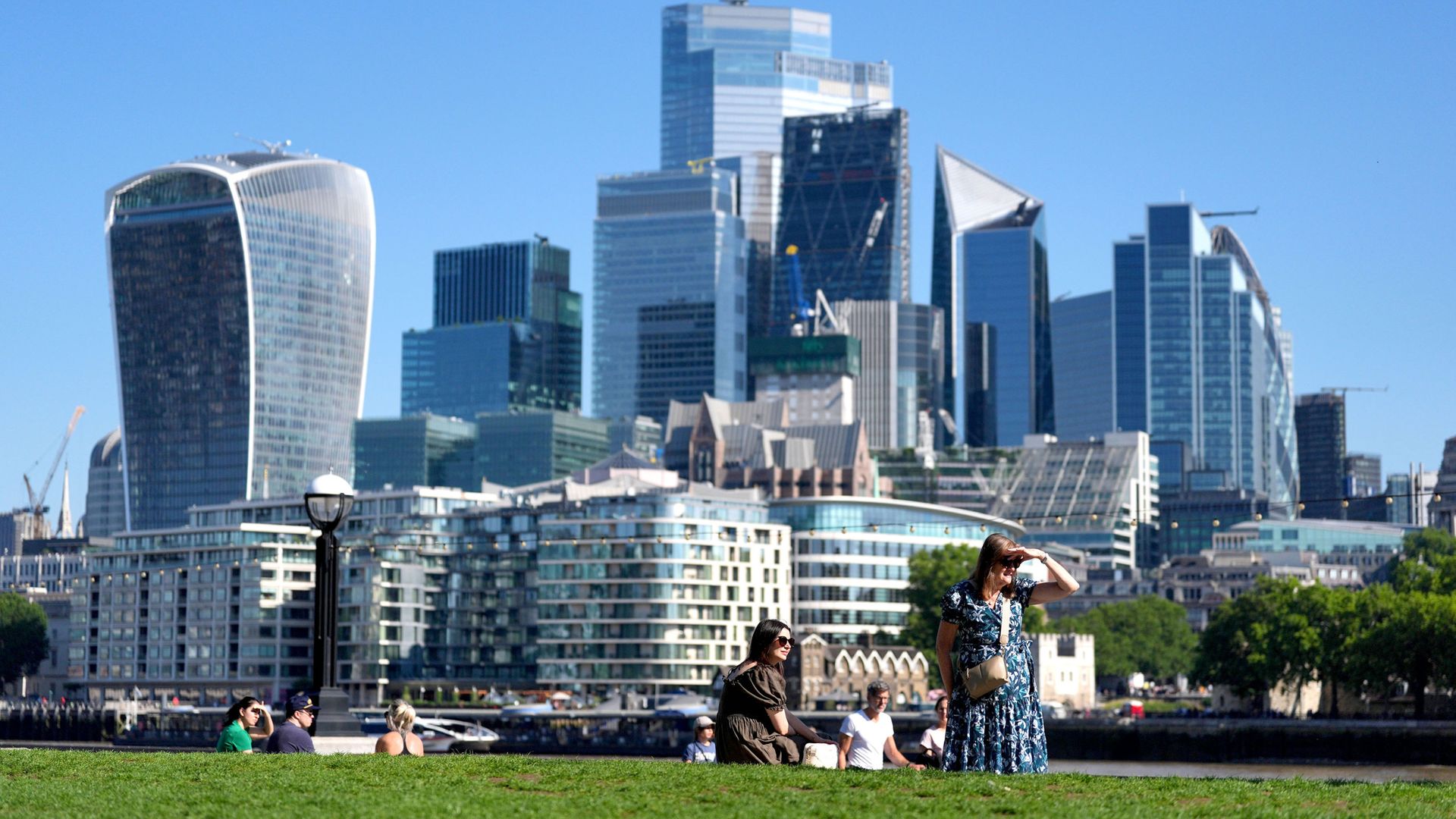
The extreme heat warning primarily targets southern and central England, where temperatures are predicted to peak. Urban areas, with their dense buildings and limited green spaces, may experience intensified heat due to the “urban heat island” effect, further compounding discomfort and health risks.
Health authorities emphasize the importance of hydration, avoiding strenuous outdoor activities during peak heat hours, and checking on vulnerable neighbors. The NHS has also advised people to be alert for symptoms of heat exhaustion and heatstroke, such as dizziness, headaches, and nausea.
Utility services are preparing for increased demand, as air conditioning and cooling systems are used extensively. Transport networks might also face challenges, including potential rail disruptions due to track overheating.
Why This Heatwave Matters for Britain’s Climate Future
Britain’s infrastructure and society are not traditionally designed to cope with prolonged periods of extreme heat. This emerging heatwave raises broader questions about the country’s readiness for climate change impacts, as rising global temperatures make such events more frequent and intense.
Urban planning, public health strategies, and emergency services will need to adapt to manage these new climate realities effectively. The current heatwave serves as a stark reminder of the urgency to implement sustainable policies and infrastructure improvements that can mitigate the risks associated with extreme weather.
With climate experts warning that heatwaves of this nature will become more common, Britain faces a critical moment to enhance resilience and protect its population from escalating climate threats.
Looking Ahead: What to Expect and How to Prepare
As this heatwave unfolds, residents are encouraged to stay informed through official channels and heed all safety advisories. Simple actions like using fans, wearing light clothing, and limiting outdoor exposure during the hottest parts of the day can significantly reduce health risks.
Local councils and emergency services are ramping up their response plans to provide cooling centers and support for vulnerable individuals. Businesses and schools are also adjusting schedules and environments to minimize heat-related disruptions.
While the heatwave is expected to peak early next week, temperatures may remain elevated for several days, prolonging discomfort and potential hazards. Monitoring weather updates and preparing accordingly will be essential for public safety.
Takeaway: A Wake-Up Call on Climate Resilience
This rare “tropical night” heatwave signals a transformative shift in Britain’s weather patterns and underscores the immediate need for enhanced climate resilience. Beyond the discomfort and health risks, it challenges the nation to rethink how it prepares for and responds to extreme heat events.
By understanding the causes and consequences of this heatwave, individuals and communities can take proactive steps to protect themselves and adapt to a warming world. The experience serves as a vital lesson in the growing importance of climate adaptation strategies for the UK.